


English Oak Seating
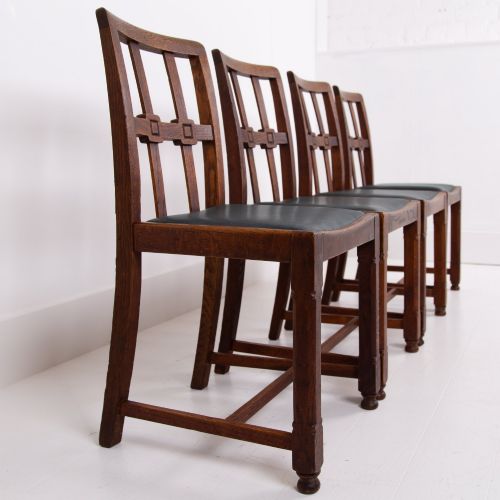
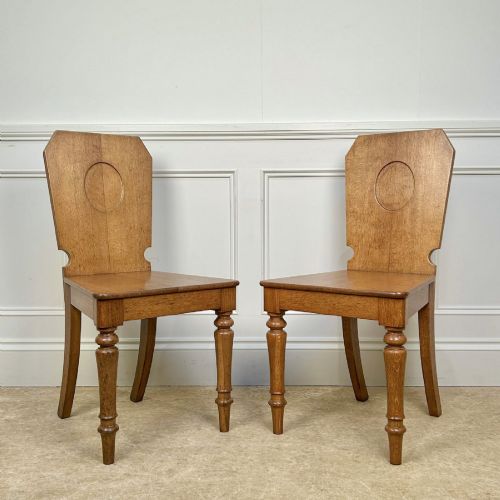
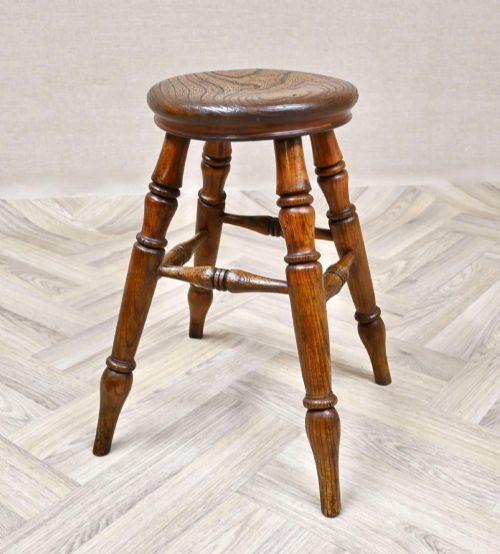
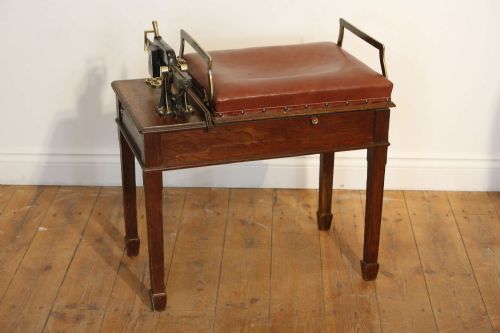
English oak seating brings heavy vernacular warmth to an interior through centuries-old joinery, robust timber frames and simple country forms.
English Oak Seating
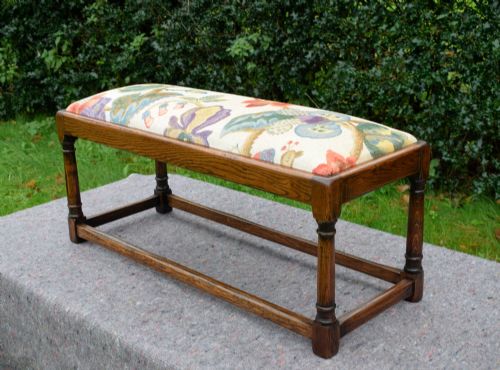
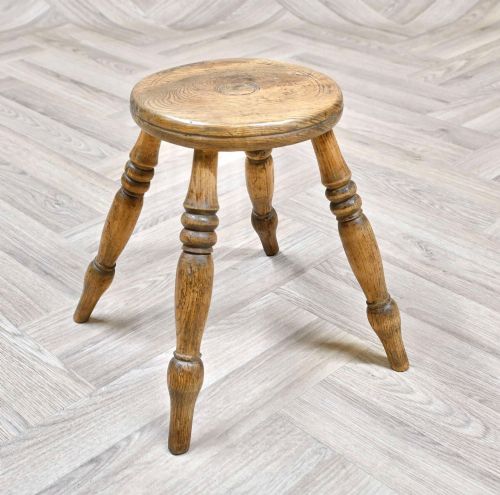
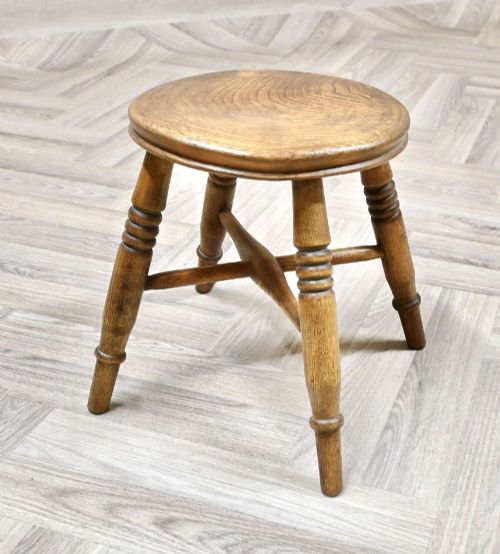
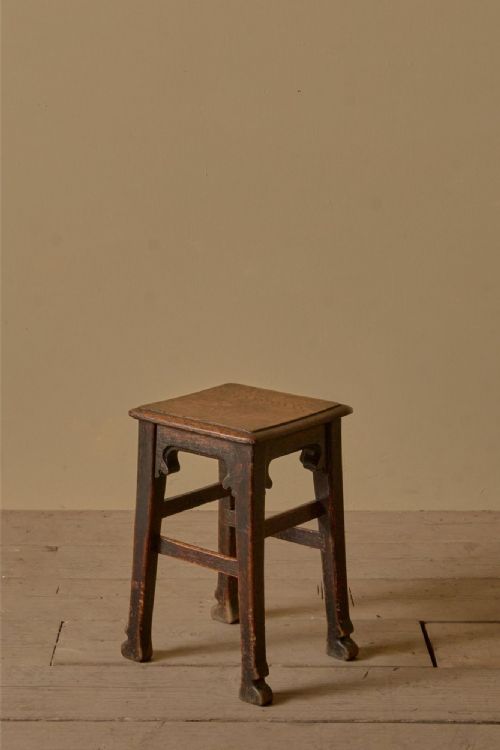
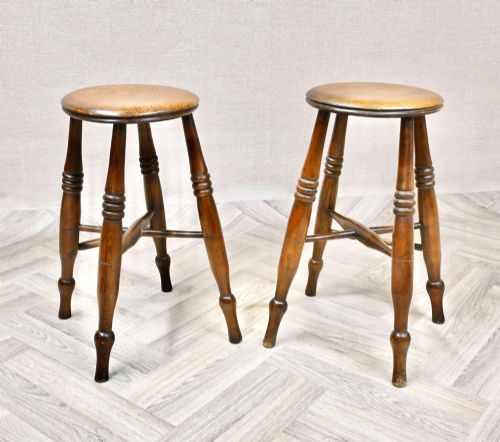
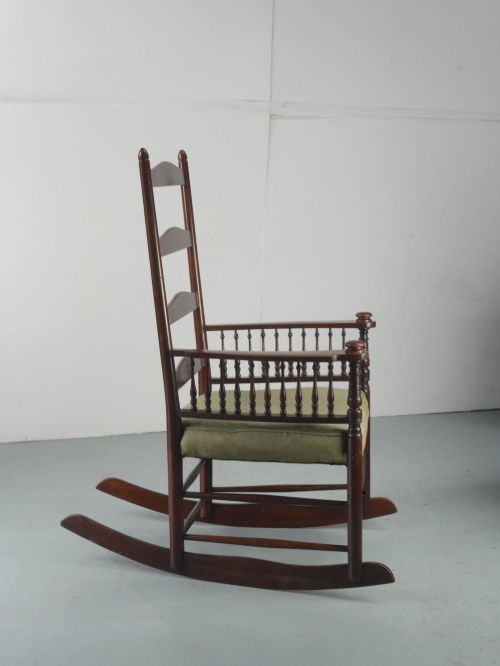
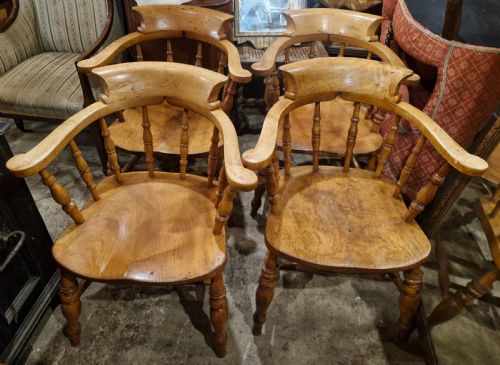
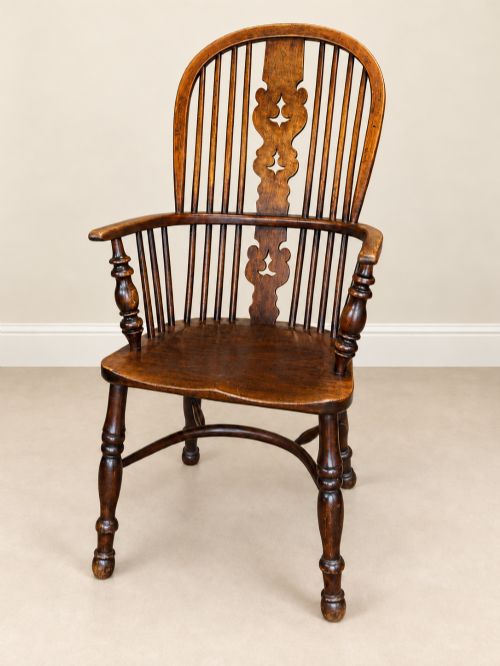
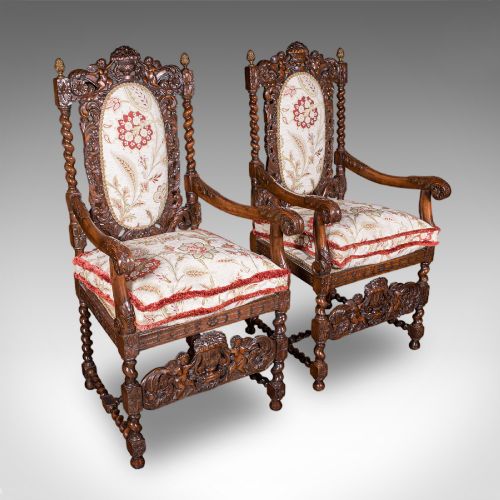
English oak seating spans robust joint stools, high-backed wainscot armchairs, ladderback dining chairs, and expansive settles from the seventeenth, eighteenth, and nineteenth centuries. These domestic and provincial pieces range from heavy joined furniture of the commonwealth period to lighter Edwardian office chairs and Windsor variations.
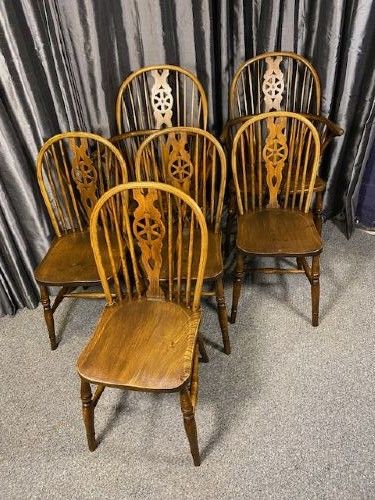
Buyers seeking english oak seating most frequently encounter nineteenth-century vernacular chairs, kitchen Windsors in ash and elm, and provincial joint stools. Sets of dining chairs and individual hall chairs appear alongside farmhouse benches and revolving desk seating fitted with green leather.
The material record extends from early seventeenth-century examples through georgian and victorian iterations to early twentieth-century revivals. Regional workshops produced specialised forms such as High Wycombe Windsor chairs and Lancashire ladderbacks, maintaining traditional methods across generations.
Assessing quality
Quality rests on the integrity of the original timber framing, the crispness of hand-carved details, and the survival of natural surface patination over centuries of use. Provincial pieces show varying degrees of rustic execution, where tool marks and timber figure define the character.
The preservation of original joinery without excessive timber replacement separates standard vernacular items from superior examples. Seating with integrated rush or leather components depends heavily on whether the structural framework remains unaltered from its period of origin.
English Oak Seating Retail Price Guide 2026
Typical asking prices for english oak seating among the pieces listed under this phrase on Sellingantiques today, from the lower quarter to the upper quarter. They describe what is for sale here now, not the wider market.
Listings feature periods spanning from the sixteenth-century Elizabethan era through the seventeenth, eighteenth, and nineteenth centuries into the 1920s.
GIllows
The English Oak Seating Glossary
- Joint stool
- A low wooden stool constructed with mortise and tenon joints rather than turned legs inserted into a seat. These sturdy pieces served multiple domestic purposes in early households.
- Wainscot armchair
- A heavy wooden armchair featuring panelled backboards and solid arms, common in seventeenth-century interiors. They represent status and substantial carpentry.
- Windsor chair
- A seat formed by inserting turned spindles directly into a solid carved wooden seat. Regional variations include hoop backs, comb backs, and smokers bows.
- Settle
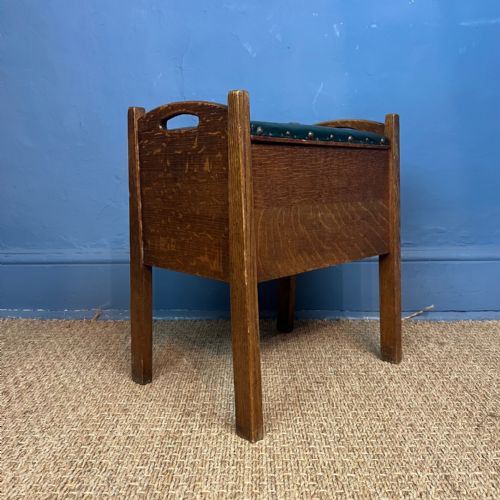
- A high-backed wooden bench with solid sides designed to block draughts in rural homes. Many incorporate enclosed box storage beneath the seat.
- Ladderback
- A chair style featuring multiple horizontal slats between the rear upright posts. Provincial makers frequently paired these frames with rush seating.
English Oak Seating: Frequently Asked Questions
How do I date an early oak stool?
Early joint stools display peg construction, chamfered edges, and tool marks characteristic of seventeenth-century provincial joinery. The timber develops a deep dry patination over centuries.
Later nineteenth-century and twentieth-century revivals often utilise machine-sawn components and cleaner, more uniform surfaces that lack the tool variation found in period pieces.
Are oak chairs comfortable for daily use?
Period oak seating was designed for upright posture rather than deep lounging, reflecting the domestic habits of earlier centuries. Solid wooden seats and high backs encourage an upright seating position.
Adding loose cushions or selecting upholstered variants like desk chairs with leather pads provides modern comfort while retaining the historic timber frame.
How should I care for antique oak?
Antique oak benefits from occasional applications of natural beeswax to nourish the dry timber and maintain its surface sheen. Avoid placing wooden seating near direct heat sources to prevent splitting.
Routine dusting with a soft dry cloth protects the historic patination accumulated over generations of domestic use.