






English Oak Library Desk
An english oak library desk brings gravitas to a room, offering a solid surface for correspondence and study that gains character with every decade.
English Oak Library Desk
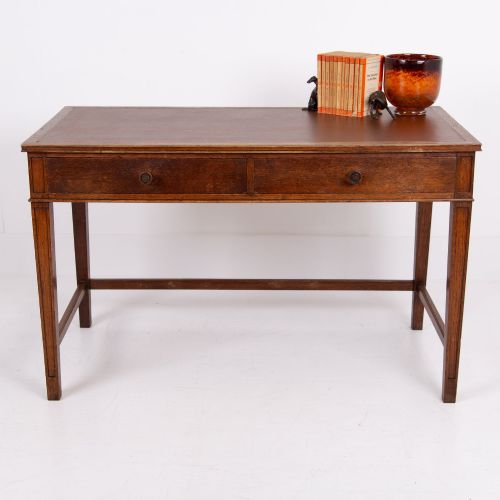
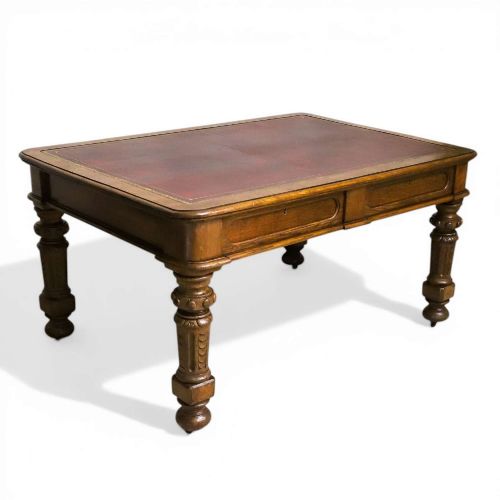
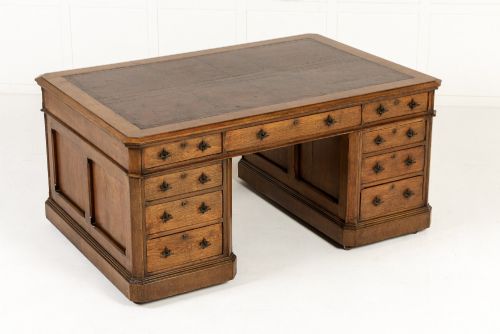
An english oak library desk encompasses substantial partners tables, compact writing tables, and drum or centre tables designed for serious study. These heavy pieces draw on nineteenth century manufacturing traditions, appearing in Regency, Victorian, Edwardian, and Gothic Revival styles.
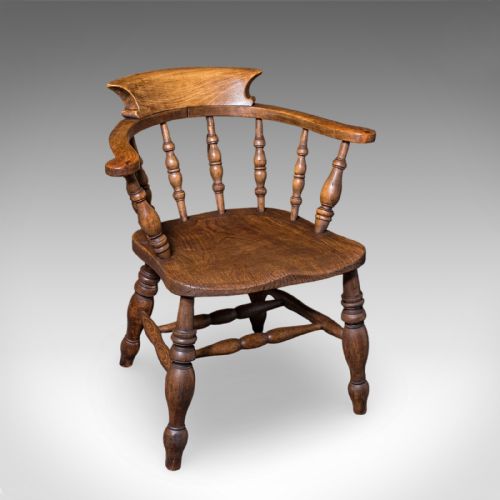
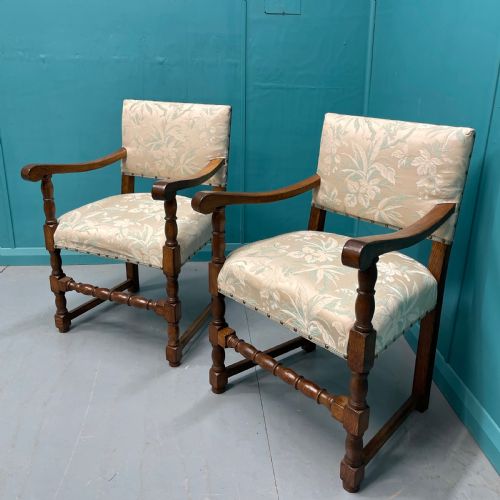
Buyers frequently encounter variations that incorporate leather writing surfaces, brass fittings, and rich pollard oak veneers. Alongside standard desks, the selection includes related library furnishings such as oak armchairs, smokers bow captain's chairs, and extending book slides.
Originating primarily from domestic English workshops and notable cabinet makers, these items range from formal pedestal partners desks to simpler writing tables. The distinct grain of oak and burr oak defines their visual presence, anchoring studies and home libraries.
Materials and Construction
Makers built these desks using solid English oak and structural timbers such as beech and elm, often applying figured pollard oak or burr oak veneers to prominent surfaces. Leather inserts provided a durable, smooth writing plane across partners tables and writing desks.
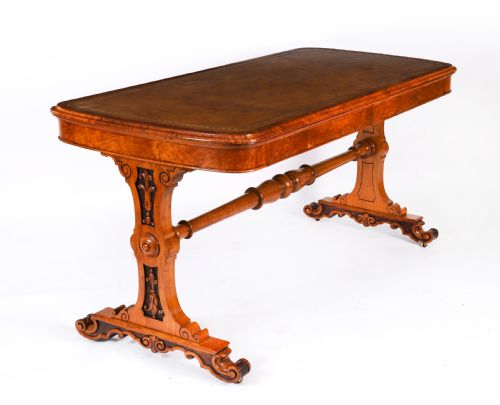
Metal components including brass handles, hinges, and occasional iron supports added functional strength to drawers and pivoting mechanisms. Turned elements like barley twist stems and carved Gothic details showcased advanced joinery and timber manipulation.
English Oak Library Desk Retail Price Guide 2026
Typical asking prices for english oak library desk among the pieces listed under this phrase on Sellingantiques today, from the lower quarter to the upper quarter. They describe what is for sale here now, not the wider market.
The listings feature English oak library desks spanning the Regency, Victorian, and Edwardian eras, incorporating materials like pollard oak, brass, and leather.
Assessing Quality and Craftsmanship
Quality rests in the selection of timber figures, where richly grained pollard oak veneers and tightly figured golden oak elevate a piece above standard domestic utilitarian furniture. Superior examples display precise dovetailing in drawer construction and well-executed period carving.
The integration of secondary timbers and the retention of original leather writing surfaces influence the overall integrity of the desk. Pieces attributed to documented firms or showcasing refined proportions command greater distinction among collectors of library furniture.
James Winter And Sons·Johnstone Jeanes And Co·Howard And Sons
The English Oak Library Desk Glossary
- Partners Desk
- A large double-sided desk designed for two people to work opposite one another, featuring banks of drawers or cupboards on both faces.
- Pollard Oak
- Timber taken from a tree that has been pollarded, producing a dense, highly figured grain pattern prized for decorative cabinet work.
- Writing Table
- A freestanding table with one or more drawers beneath the top, intended primarily for correspondence rather than heavy clerical storage.
- Gothic Revival
- An architectural and decorative style popular in the nineteenth century, characterised by pointed arches, trefoils, and heavy carved mouldings.
- Drum Table
- A circular library table with a deep top containing drawers, often revolving upon a central pillar and tripod base.
English Oak Library Desk: Frequently Asked Questions
How do I care for an antique oak desk?
Maintain the wood by applying traditional beeswax periodically to nourish the dry grain and protect the surface from moisture. Avoid placing the desk near direct heat sources or strong sunlight to prevent the timber and leather inserts from cracking.
Clean leather surfaces gently with a slightly damp cloth, avoiding harsh chemical cleaners that strip historical finishes. Lift objects rather than dragging them across the desktop to preserve the polish and leather writing panels.
What is the difference between a partners desk and a writing table?
A partners desk is built to be accessed from both sides, featuring matching sets of drawers or cupboards facing front and back for two people. It provides substantial storage and occupies a prominent freestanding position in a room.
By contrast, a writing table usually has drawers on one side only and sits comfortably against a wall or in the centre of a smaller study. Writing tables offer a lighter profile while retaining the sturdy oak construction expected of library furniture.
How can I identify a Gothic Revival desk?
Gothic Revival desks display architectural motifs drawn from medieval buildings, including pointed arches, quatrefoils, and heavy chamfered edges. The oak is often darker and more robust, reflecting the serious tone of nineteenth century institutional and domestic libraries.
Carved details on these pieces mimic stone tracery and ecclesiastical woodwork, distinguishing them from simpler Regency or Edwardian designs. These elements give the furniture a distinct sculptural presence.
Where should I place a drum table?
A drum table works best as a freestanding centrepiece in a library or study where its circular form can be appreciated from all angles. Because many drum tables feature revolving tops or multiple drawers, ensure there is sufficient clearance around the base for easy access.
Pairing the table with low-backed library chairs or armchairs creates a functional reading or conversation nook. Its compact footprint makes it versatile for rooms lacking wall space for large rectangular desks.