





English Oak Fireside Chair
An english oak fireside chair brings rustic warmth and sturdy comfort to a room, built by rural makers to sit low by the hearth.
English Oak Fireside Chair
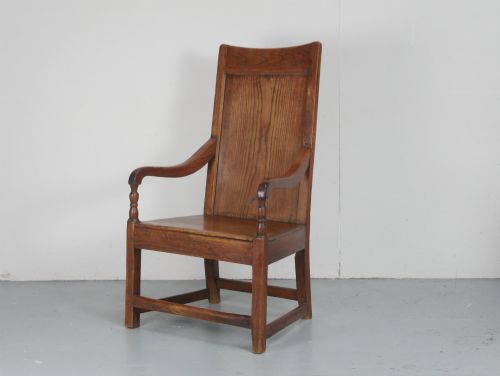
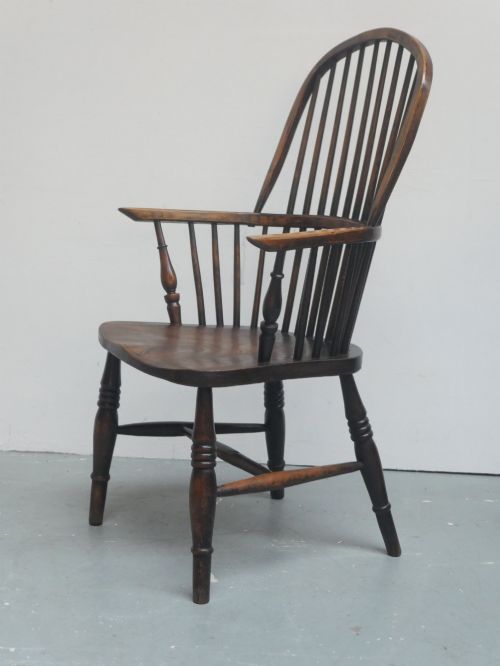
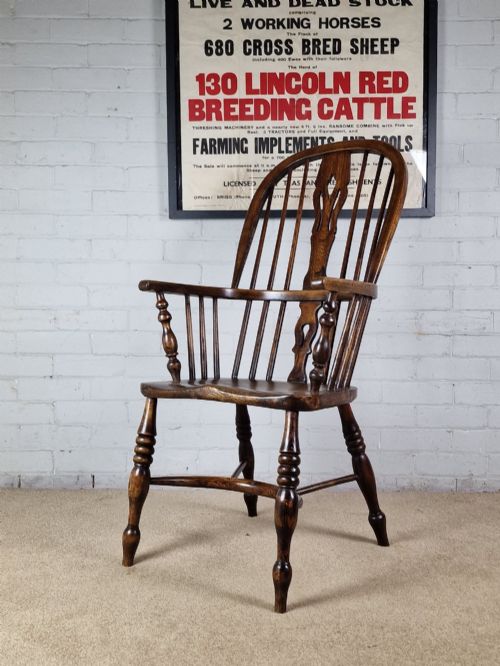
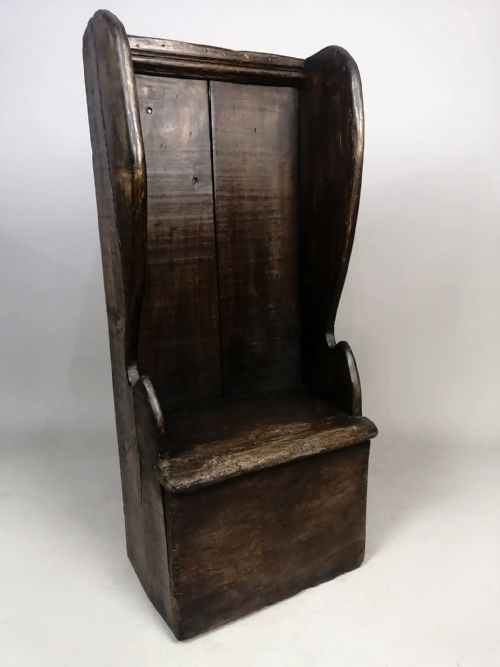
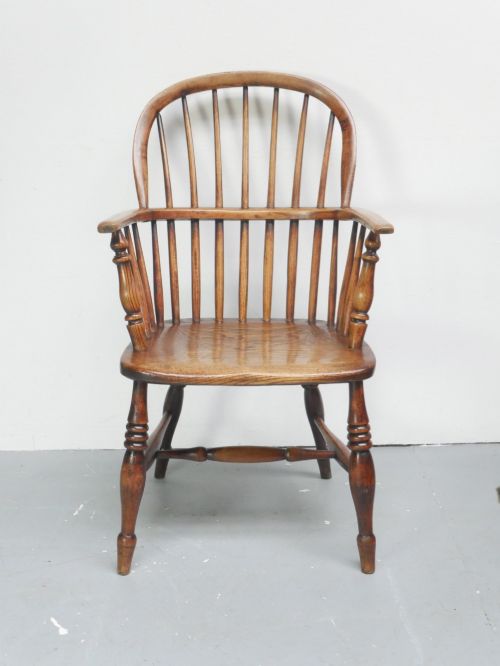
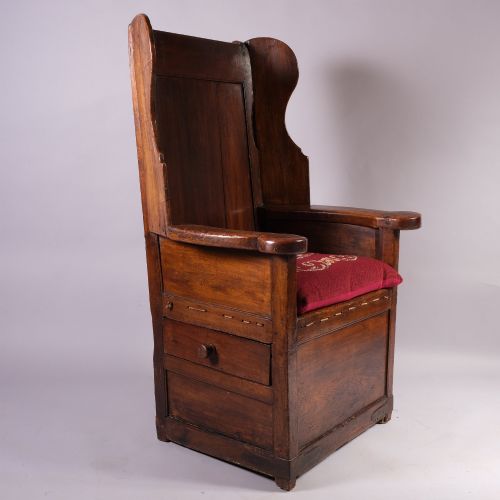
An english oak fireside chair encompasses robust seating forms designed for warmth and domestic comfort near the hearth. Buyers inspecting this selection encounter vernacular seating spanning from the seventeenth century through the Victorian era and into the mid twentieth century. The forms range from spindleback armchairs and windsor chairs to lambing chairs and library armchairs constructed in regional British styles.
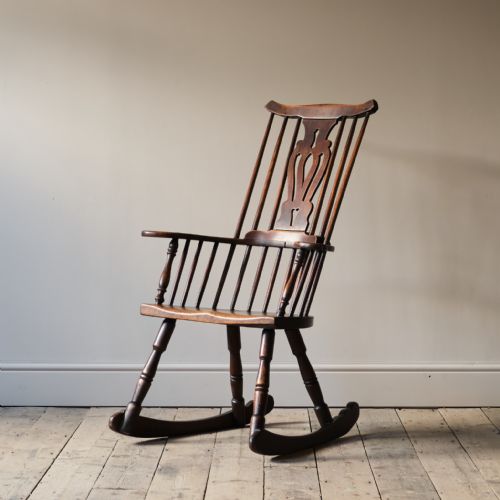
The regional variety seen across these listings reflects local traditions of craftsmanship in places like the Thames Valley, Lincolnshire, Yorkshire, and Scotland. Many examples combine oak frames with seats shaped from elm, ash, or beech, sometimes enhanced with leather or fabric upholstery. These chairs range from simple spindlebacks to substantial wing backs and rocking chairs built for daily use.
Materials and construction
Makers utilised solid native timbers, pairing sturdy oak for frames with durable woods such as elm, ash, and beech for seats and spindles. Construction relied on traditional joinery methods including pegged mortise and tenon joints and turned components shaped on local lathes.
Surface finishes developed naturally through decades of use and application of wax or oil, highlighting the grain of the timber. Metal details like brass hardware occasionally appear on upholstered library and armchair variants.
English Oak Fireside Chair Retail Price Guide 2026
Typical asking prices for english oak fireside chair among the pieces listed under this phrase on Sellingantiques today, from the lower quarter to the upper quarter. They describe what is for sale here now, not the wider market.
Periods represented span from the seventeenth century through the Victorian era to the mid twentieth century.
Assessing quality in vernacular seating
Quality in an english oak fireside chair lies in the integrity of its structural timber and the honesty of its construction. Pieces retain their original components and surface patination without excessive modern intervention or unsympathetic timber replacement.
The balance of proportions and the comfort of the vernacular design distinguish superior examples. Finer pieces demonstrate skilful turning on spindles and well-considered shaping of solid seats and armrests.
Robert Mouseman Thompson
The English Oak Fireside Chair Glossary
- Vernacular
- Everyday furniture built by local craftsmen for regional use rather than high urban workshops. These pieces reflect traditional local building methods and available native timbers.
- Windsor chair
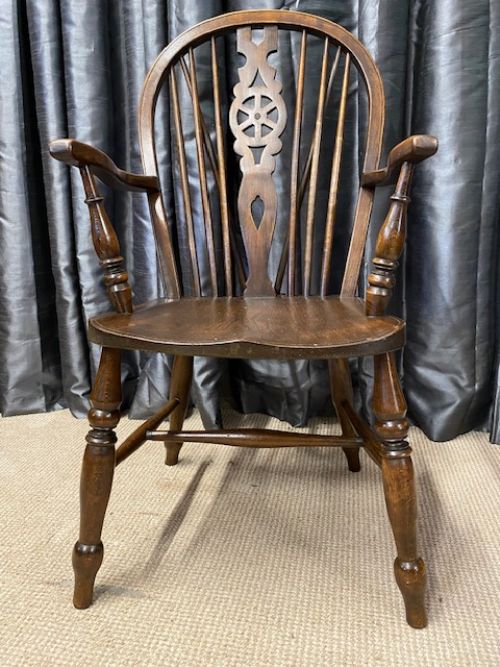
- A wooden chair featuring a solid carved seat into which the legs and back spindles are directly joined. Regional variations include distinct comb-backs, hoop-backs, and wheel-backs.
- Lambing chair
- A traditional high-backed fireside chair featuring solid wooden sides designed to shield the occupant from draughts. Early examples often incorporate a box base or under-seat storage.
- Spindleback
- A chair style characterised by a backrest composed of slender turned vertical wooden spindles. This lightweight yet strong construction method was widely adopted by country makers.
English Oak Fireside Chair: Frequently Asked Questions
How do I care for an old wooden armchair?
Feed the dry timber occasionally with a quality beeswax and buff it gently with a soft cloth to preserve the surface. Keep the chair away from direct heat sources and radiators to prevent the wood from splitting.
Check the joints periodically to ensure the pegs remain secure. Avoid harsh chemical cleaners that strip the historic patination.
Are these chairs comfortable for daily use?
Many country chairs were shaped to fit the human form with deep wooden seats and supportive high backs. Adding a simple loose cushion can enhance comfort for modern sitting habits.
Heavier upholstered versions provide padded support suited to living rooms and studies. Their robust construction ensures they remain practical for everyday seating.
How can I tell which century a chair comes from?
Look at the tooling marks, construction methods, and timber choice to find clues about the period. Seventeenth and eighteenth-century pieces often display hand-split oak and pegged joinery.
Later Victorian and twentieth-century examples frequently show machine-turned components and standardised fixings. Comparing regional vernacular styles also helps narrow down the date.
Why are different woods mixed in one chair?
Country craftsmen selected each timber for its specific physical properties rather than uniformity. Oak provided a strong, durable frame, while elm was chosen for seats because its interlocking grain resisted splitting.
Ash and beech offered flexibility and strength for turned spindles and legs. This pragmatic approach resulted in strong, hard-wearing furniture.