




English Oak Door
An english oak door brings heavy timber presence and centuries of craft to an interior, shaped by periods from the seventeenth century onward.
English Oak Door
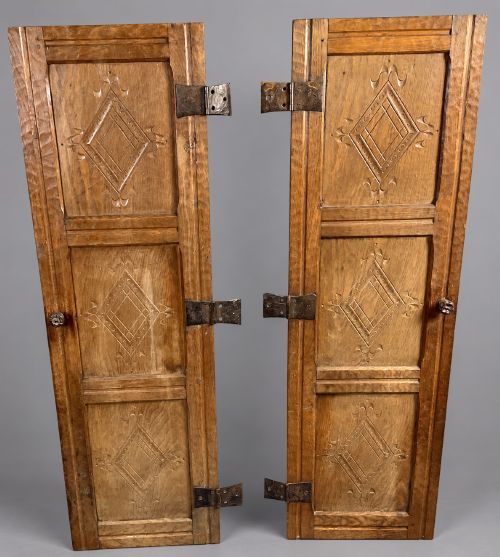
When you search for an english oak door, you encounter architectural elements and fitted panels drawn from centuries of British domestic building. The selection ranges from seventeenth-century studded boards and carved overdoor panels to eighteenth-century cupboard doors and sets of nineteenth-century room dividers.
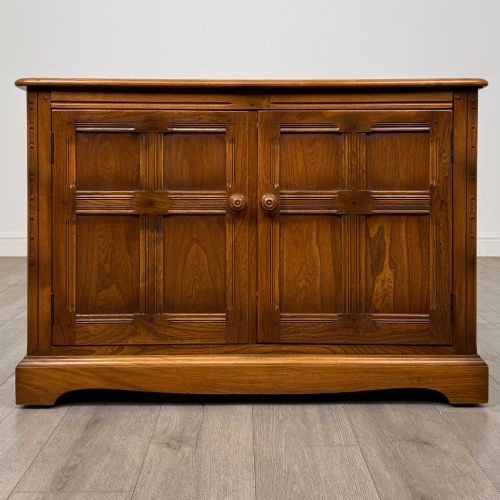
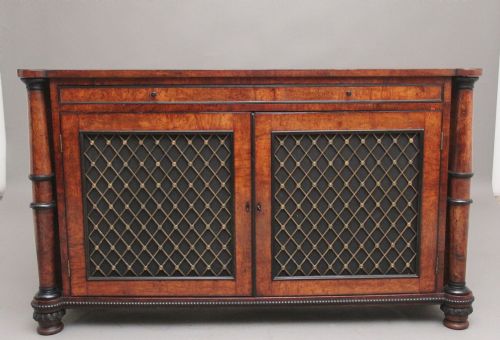
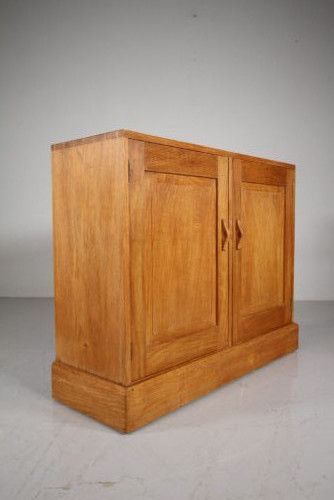
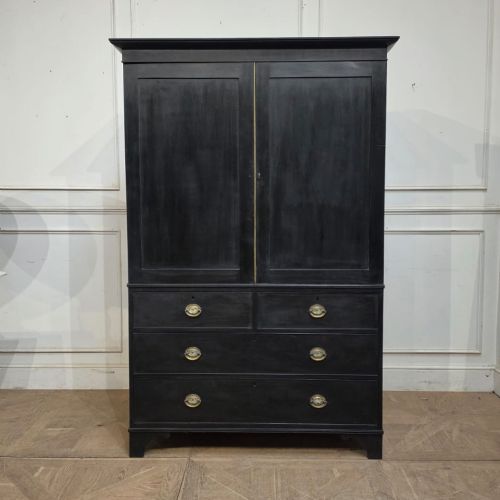
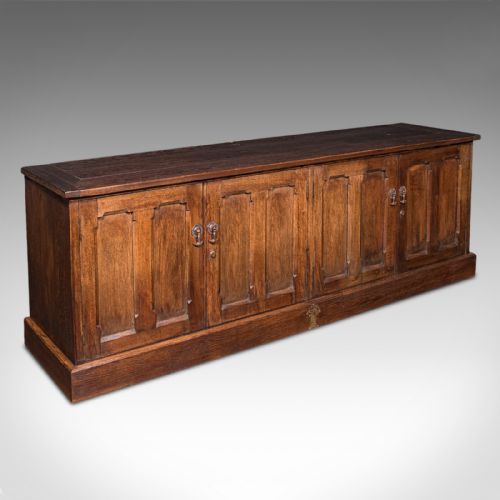
The version you are most likely to meet on this page includes heavy panelled timber constructions, sometimes incorporated into larger storage furniture like wardrobes or glazed bookcases with operating doors, reflecting how old joinery is repurposed for modern spaces.
How They Were Made
Makers built these pieces using solid English oak, often augmented with secondary timbers and decorative details in pollard oak, ebony, or brass hardware. Joinery relied on traditional methods like pegged mortise and tenon frames surrounding raised or flat wooden panels.
Surface finishing involved hand planing and polishing, while carving work on panels and overdoor sections was executed with sharp gouges and chisels directly into the dense grain of the timber.
Listings feature items spanning from the 17th Century to the 1930s, constructed predominantly in English oak with brass and iron hardware.
What Varies in Quality
The distinction between ordinary joinery and exceptional work rests on the selection of the timber and the depth of the hand carving. Uniform straight grain or striking pollard figuring elevates a piece, as does crispness in architectural mouldings.
Integrity of construction defines the upper tier, where original hinges, locks, and structural pegging remain intact without excessive modern intervention.
Master Carver Edward Pearce·Thomas Utting of Yarmouth·Ray and Miles Liverpool
The English Oak Door Glossary
- Panel
- A flat piece of wood set within a grooved frame to allow for seasonal wood movement. This traditional method prevents splitting as humidity changes.
- Overdoor
- A decorative architectural panel or carved element positioned immediately above a doorway. These often feature elaborate seventeenth-century woodwork.
- Pollard oak
- Timber taken from trees that were pruned close to the trunk to produce dense, highly figured wood grain. It appears frequently in nineteenth-century decorative work.
- Linenfold
- A style of carved wooden panelling that resembles folded vertical lengths of fabric. It is commonly found on pieces dating from the Tudor revival and Edwardian periods.
- Studded
- Decorated with heavy metal nail heads driven into the timber surface. This technique provided structural reinforcement on early entrance barriers.
English Oak Door: Frequently Asked Questions
How do I install an antique door?
Installation requires professional carpentry because historical timber frames and heavy oak weights demand precise hanging. Modern door frames often need subtle adjustment to accommodate older, non-standard dimensions.
Ensure that structural support handles the load of solid oak, and retain original ironmongery where possible to preserve the historical integrity of the piece.
Can I use an overdoor panel outside?
These carved wooden elements are intended primarily for interior architectural display rather than exposed exterior placement. Weather fluctuations can warp historical oak.
Mount them securely on interior walls or above internal door frames where dry conditions protect the original carving and finish.
How do I clean pollard oak?
Maintain the surface with a soft, dry cloth to remove dust without harming the polish. Avoid harsh modern chemical cleaners that strip historical finishes.
Apply a quality beeswax occasionally to nourish the dense grain and preserve the rich colour inherent in nineteenth-century oak furniture.
How do I date an oak door?
Examine the construction methods, tool marks, and hardware styles visible on the timber. Hand-adzed boards and pegged joints usually indicate seventeenth or eighteenth-century origin.
Compare the moulding profiles and decorative motifs, such as linenfold or Gothic Revival details, against documented periods from the evidence to narrow the decade.