


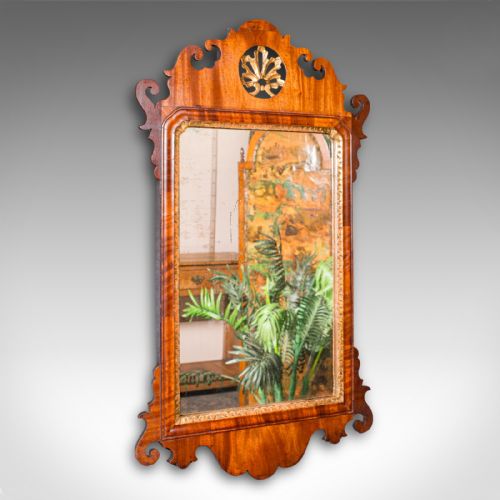


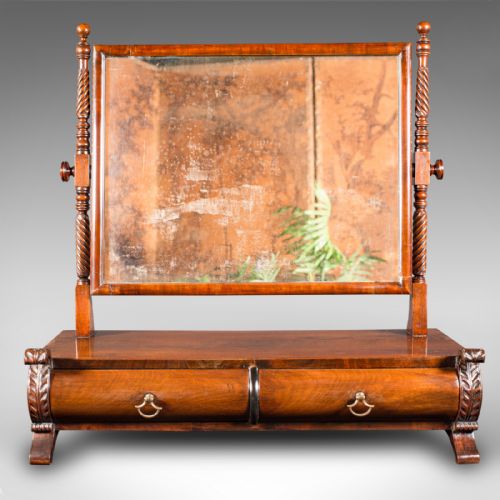


English Mahogany Mirror
An english mahogany mirror brings warmth and depth to a room, offering centuries of cabinet-making skill in polished timber.
English Mahogany Mirror
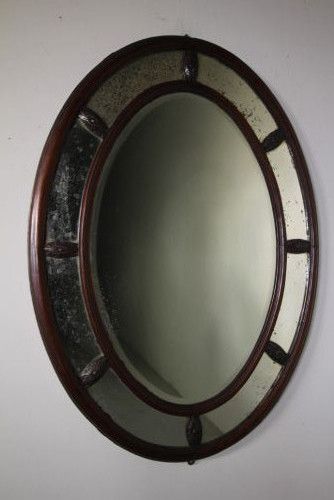
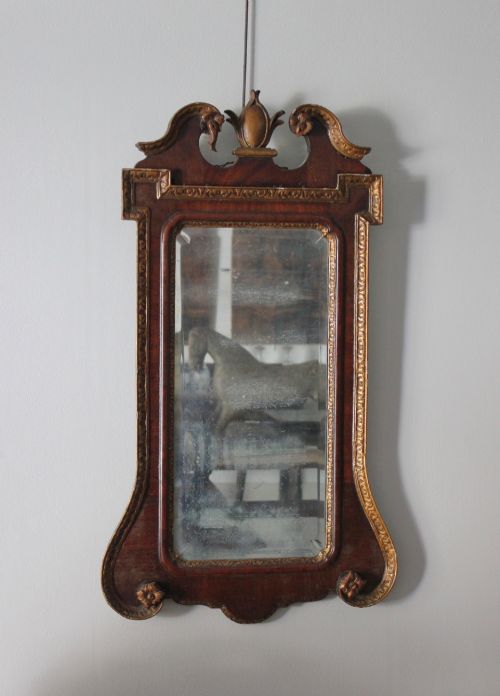
An english mahogany mirror encompasses wall-hanging plates, overmantels, and free-standing cheval glasses spanning the Georgian, Regency, and Victorian eras.
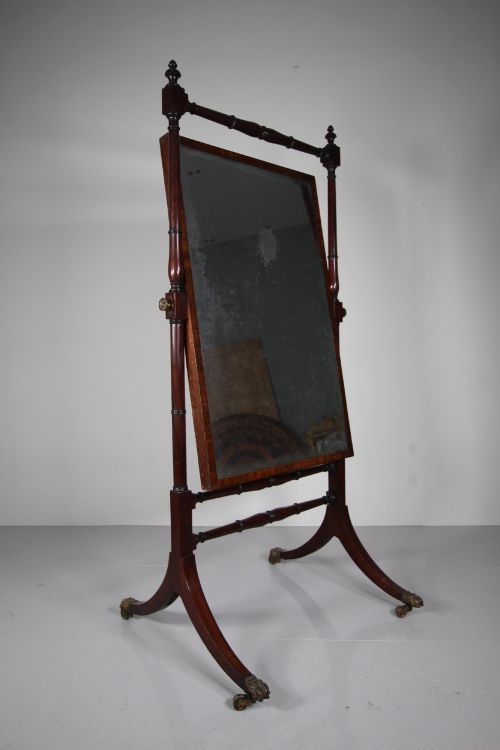
The most common formats met here are tabletop dressing mirrors and tall floor-standing cheval variants designed for bedrooms and reception rooms.
Pieces originate from domestic country houses, urban townhouses, and specialised trades like boot-making or gentleman's outfitting.
Materials and Technique
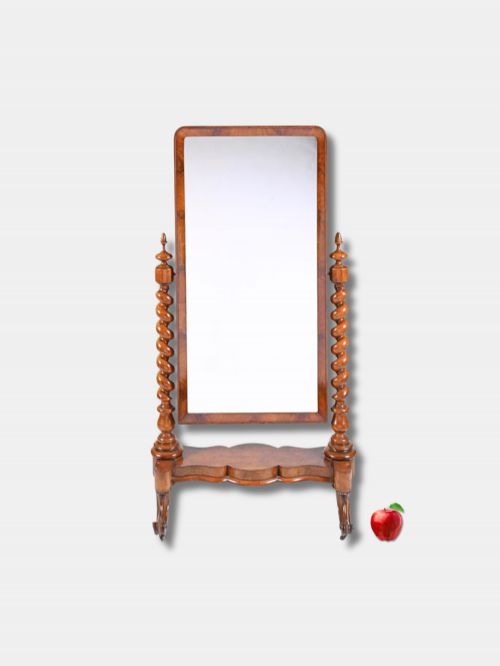
Makers utilised dense timber, occasionally selecting flame mahogany veneer for rich grain patterns on large surfaces.
Construction frequently incorporates secondary woods alongside glass plates, brass hardware, and gilt wood or giltwood accents.
Supports range from simple turned uprights to barley twist columns and heavy pedestal bases.
Several historical mirrors served specialised trades, including boot makers, barbers, and gentlemen's outfitters.
Craftsmanship and Proportion
Superior examples display balanced proportions, crisp carving, and thoughtful integration of brass fittings or gilding.
The depth of the timber's grain and the quality of the glass plate separate standard utilitarian items from finer country house commissions.
Gillows·W.E. Pain
The English Mahogany Mirror Glossary
- Cheval mirror
- A large floor-standing dressing glass mounted on a vertical frame with pivots. This allows the plate to tilt freely.
- Overmantel mirror
- A wide hanging glass designed specifically for placement above a fireplace mantel. These often match the length of the hearth.
- Flame mahogany
- A decorative veneer cut from where the branch joins the main trunk. It produces a distinctive flickering flame pattern.
- Pier mirror
- A tall, narrow glass intended to hang on the wall space between two windows. It maximises light in Georgian interiors.
- Giltwood
- Timber carved and coated with gold leaf or a gold-coloured finish. It provides a bright contrast to dark mahogany.
English Mahogany Mirror: Frequently Asked Questions
How do I date an english mahogany mirror?
Dating relies on combining the timber choice, edge bevelling, mirror plate thickness, and structural style. Georgian pieces lean toward restrained lines, whilst Victorian examples often show heavier mouldings or turned supports.
Hardware fixtures such as brass screws and candle arms also help establish the decade of manufacture.
Where should I hang a wall mirror?
Wall-hanging forms work well in hallways, reception rooms, and above sideboards or chiffoniers. Positioning them opposite a window helps reflect natural light deeper into the space.
Ensure the wall fixings match the weight of the timber frame and mirror plate.
What is a cheval mirror used for?
Floor-standing cheval glasses provided full-length reflections for dressing and grooming in bedrooms and boudoirs. Their pivoting frames allowed users to adjust the angle of the glass.
Larger versions were also utilised in nineteenth-century shops and outfitters.
How do I care for antique mahogany?
Maintain the timber by keeping it away from direct sunlight and rapid temperature changes that can dry out the wood. Dust gently with a dry cloth and avoid silicone-based polishes.
Check brass pivots and wall brackets periodically to ensure safe operation.