



English Landscape Study
An english landscape study captures the shifting moods of the countryside through rapid observation and fluid media.
English Landscape Study
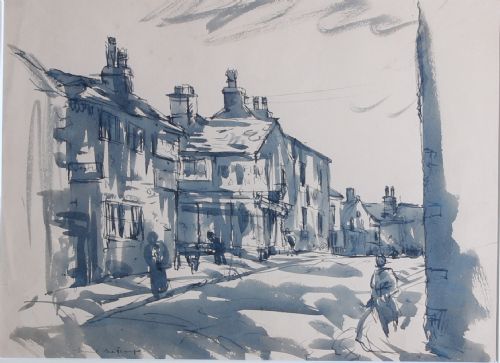
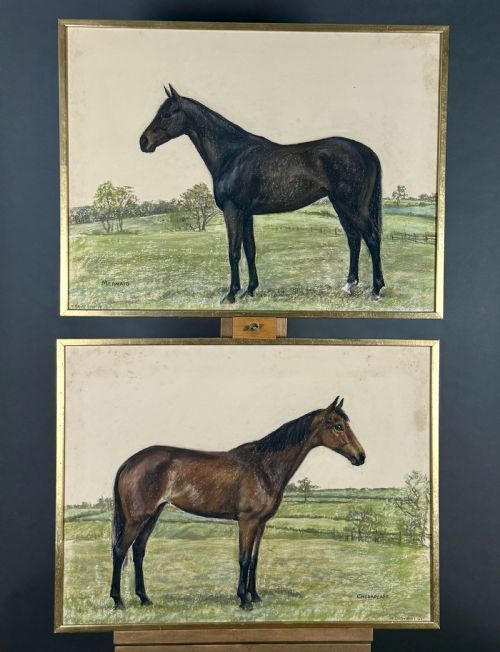
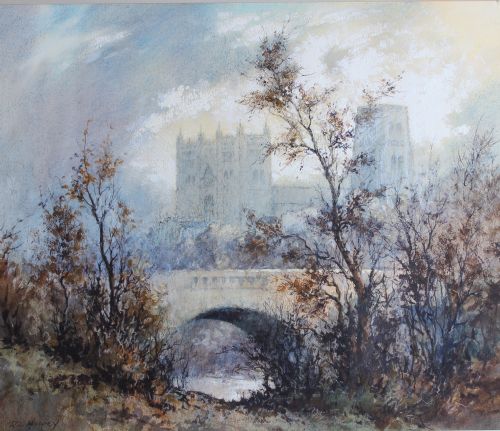
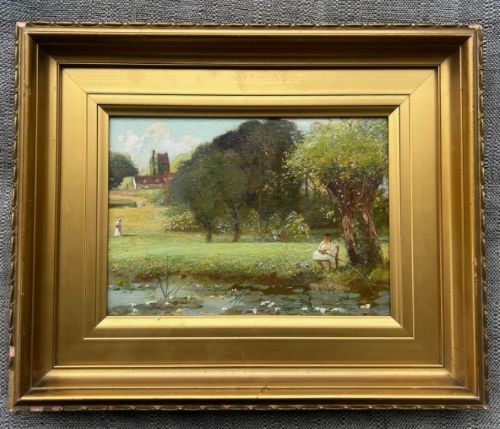
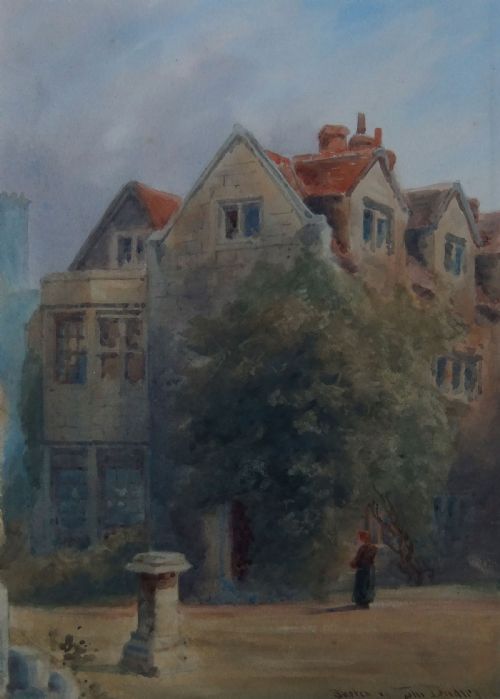
An english landscape study comprises works on paper and panel executed across the nineteenth and twentieth centuries. These pieces record rural scenes, architecture, and coastal views created by British artists.
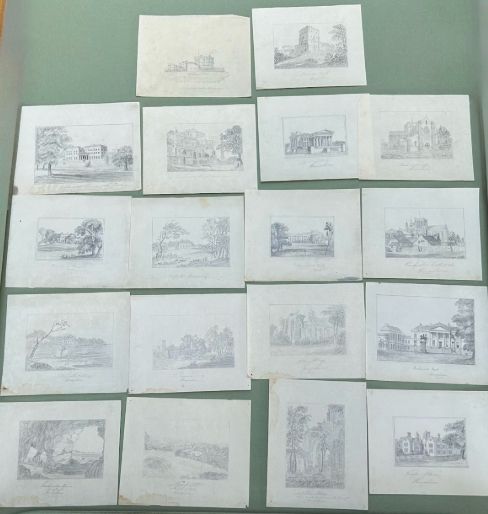
The selection ranges from early nineteenth-century pencil sketches and watercolours to mid-twentieth-century oil paintings and charcoal drawings. Most examples capture topographical details and natural light observed directly from the terrain.
Buyers encounter works reflecting movements such as British Impressionism, Victorian Naturalism, and Mid-Century Modern Art. These studies frequently serve as preparatory works for larger finished compositions or standalone records of specific locations.
Materials and methods
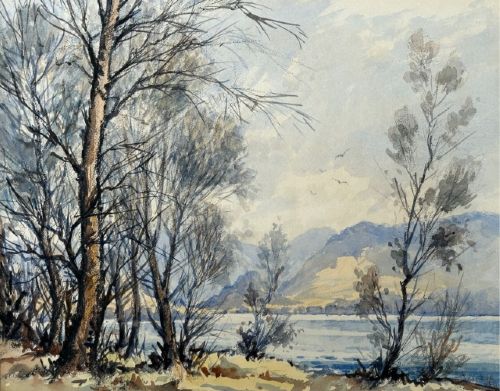
Artists executed these works using watercolour pigment, oil paint, charcoal, and pencil on supports of paper, wood panel, and board. Watercolour paint was applied in washes to capture atmospheric effects quickly.
Oil paint was handled with direct brushwork on wood panels or canvas boards to build texture and tone. Draughtsmen utilised graphite and charcoal for rapid contour lines and tonal shading in the field.
English Landscape Study Retail Price Guide 2026
Typical asking prices for english landscape study among the pieces listed under this phrase on Sellingantiques today, from the lower quarter to the upper quarter. They describe what is for sale here now, not the wider market.
Several panels preserve the accidental thumbprints of artists who held the wet wood while navigating muddy English fields.
What defines the grade
Quality rests upon the sureness of the hand and the economy of line used to define the terrain. A successful study conveys light and atmosphere without overworking the surface.
The relationship between the support and the medium dictates the longevity and visual impact of the work. Skilled handling of pigment and paper creates depth and luminosity that weaker works miss.
Robert Leslie Howey·Sir David Murray·James Hardy Junior·Ernest Higgins Rigg·Kershaw Schofield·Rowland Henry Hill·Peter Jackson·Charles James Adams·Tom Dudley·Dr Thomas Monro
The English Landscape Study Glossary
- Study
- A preparatory or observational work executed to capture a specific subject, light effect, or composition prior to a larger painting. These pieces prioritize immediacy and direct observation over polished finish.
- Watercolour pigment
- A colourant suspended in a water-soluble binder, applied to paper to achieve translucent washes and delicate tonal gradations. It relies on the white of the paper to provide luminosity.
- Wood panel
- A rigid flat support made from timber, utilised as a base for oil or mixed media paintings. Panels offer a stable surface that prevents the cracking often found on aged canvas.
- British Impressionism
- A painting style developed in the late nineteenth and early twentieth centuries focusing on loose brushwork and natural light. Artists working in this manner recorded transient atmospheric conditions outdoors.
English Landscape Study: Frequently Asked Questions
What is an english landscape study?
An english landscape study is an observational artwork depicting scenery, trees, or architecture within Britain. These pieces range from rapid pencil sketches to finished watercolours and oil paintings.
Created across the nineteenth and twentieth centuries, these works document topographical changes and artistic interpretations of the natural environment.
How were these studies used?
Artists produced these works to record natural phenomena, weather patterns, and specific locations directly from life. Many served as reference material for larger studio paintings or as independent records of scenery.
Naturalists, topographers, and painters utilised portable media like paper and wood panels to capture subjects swiftly while travelling.
How do I live with works on paper?
Works on paper require framing behind glass with acid-free mounts to prevent deterioration from humidity and pollutants. Direct sunlight causes watercolour pigments and coloured inks to fade over time.
Position these pieces on interior walls away from direct sunlight and moisture to preserve the integrity of the paper and pigments.
How do I date a landscape study?
Dating relies upon stylistic markers, framing methods, watermarks on paper, and the type of pigments utilised. Nineteenth-century works often employ muted earth tones and detailed pencil underdrawings.
Twentieth-century examples frequently show broader brushwork, alternative supports like board, and modernist influences aligned with mid-century aesthetics.