



English Ironstone Vases
English ironstone vases are heavy, durable ceramic vessels produced in striking patterns by notable nineteenth-century potteries.
English Ironstone Vases
English ironstone vases are robust ceramic vessels designed for display, often featuring decorative handles, lids, and hand-painted or transfer-printed motifs. These pieces date from the nineteenth century into the Edwardian period, encompassing Regency, Georgian, and Victorian eras.
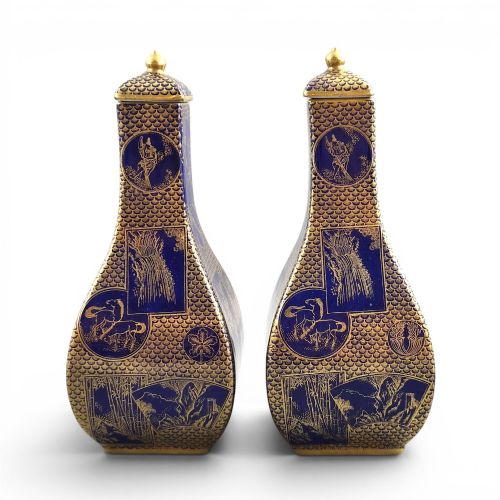
The most common examples encountered in this selection are decorative vases, lidded urns, and posy vases. Many bear distinctive Chinoiserie or English Imari schemes alongside rich mazarine blue grounds.
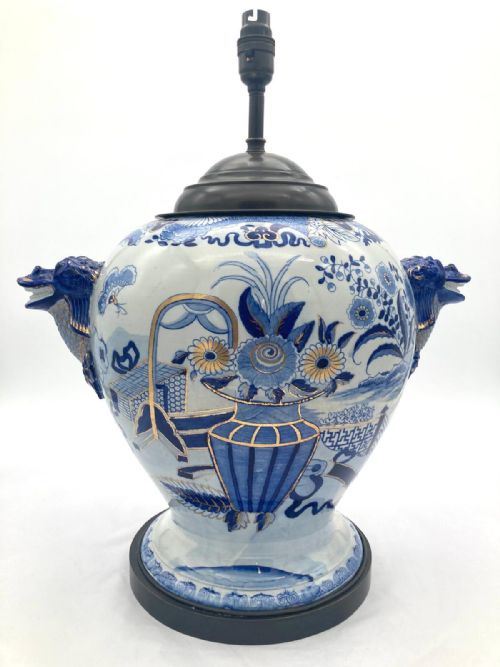
Forms range from large hall vases and garniture sets down to smaller posy holders. Certain nineteenth-century pieces have been thoughtfully converted into table lamps for modern interiors.
Materials and Technique
Potters formed these vessels using heavy ironstone ceramic paste, creating a dense and durable body that withstood daily use better than traditional porcelain. This robust material allowed for larger shapes, such as impressive hall vases and lidded urns.
Decoration relied upon hand-painted enamel colours, transfer-printed outlines, and applied gold leaf or gilding. Potters utilised vibrant mazarine blue grounds and intricate Chinoiserie motifs to enrich the glazed surfaces.
English Ironstone Vases Retail Price Guide 2026
Typical asking prices for english ironstone vases among the pieces listed under this phrase on Sellingantiques today, from the lower quarter to the upper quarter. They describe what is for sale here now, not the wider market.
Listings feature ironstone pieces spanning the Regency, Georgian, and Victorian periods up to the Edwardian era.
Judging Quality
Quality rests upon the crispness of the moulding and the ambition of the form, particularly in large lidded or potpourri shapes. Well-modelled pieces exhibit clean lines and balanced proportions without distortion from the kiln.
The sophistication of the surface decoration separates standard wares from superior examples. Finely executed hand-painted enamels, precise transfer printing, and generous gilding elevate the visual impact of the piece.
Mason's Patent Ironstone·Hicks and Meigh·Spode·Miles Mason
The English Ironstone Vases Glossary
- Ironstone
- A dense, heavy ceramic body patented in the nineteenth century for its durability and strength. It serves as a sturdy alternative to porcelain.
- Chinoiserie
- European artistic interpretation of Chinese and East Asian decorative motifs. It frequently appears on nineteenth-century ceramic vases.
- Garniture
- A set of three or more matching vases designed to be displayed together on a mantelpiece or sideboard. These matched groups are sought after by collectors.
- Mazarine blue
- A deep, rich cobalt blue glaze used as a backdrop for enamel and gilt decoration. It provides a striking contrast to colourful bird and floral motifs.
- Potpourri
- A vessel featuring a pierced lid designed to hold scented dried plant material. These lidded vases allowed fragrance to diffuse while concealing the contents.
English Ironstone Vases: Frequently Asked Questions
Can I use these vases for fresh flowers?
Most antique ironstone vessels hold water safely, but porous interiors or old hairline cracks require caution. Using a small glass insert protects the historic ceramic body.
Posy vases and smaller pots suit short-stemmed arrangements best. Ensure any metal or gilt rims remain dry during use.
What is the difference between ironstone and porcelain?
Ironstone is a heavy, opaque earthenware ceramic containing refined stone and clay ingredients. It offers greater durability and thickness compared to delicate translucent porcelain.
This robust composition allowed nineteenth-century potters to create much larger display vessels and heavy garniture sets.
How do I identify Regency ironstone?
Regency pieces often display bold Chinoiserie patterns, Imari palettes, or deep mazarine blue grounds. The forms reflect neoclassical influences popular during the early nineteenth century.
Maker marks stamped into the ceramic base provide definitive dating clues, alongside typical crazing patterns within the glaze.