

English Hall Chair
An English hall chair is a striking timber seat meant for an entranceway, built to impress visitors before they reach the drawing room.
English Hall Chair
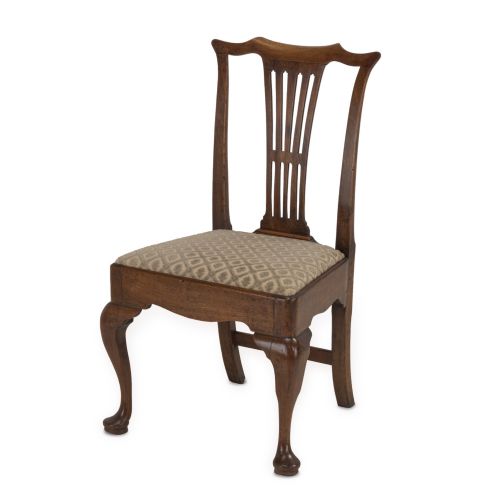
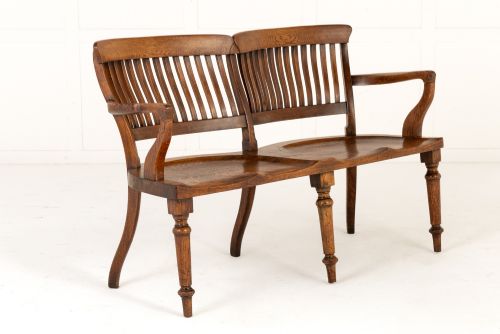
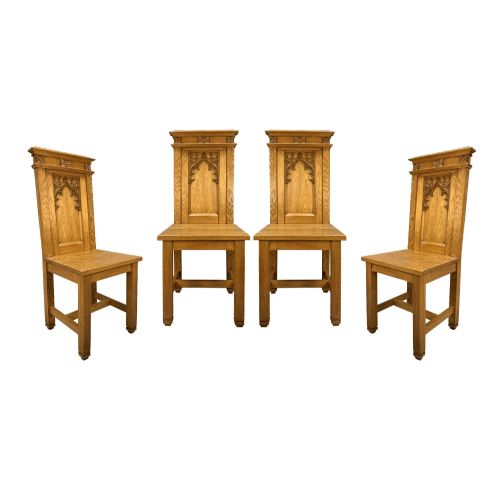
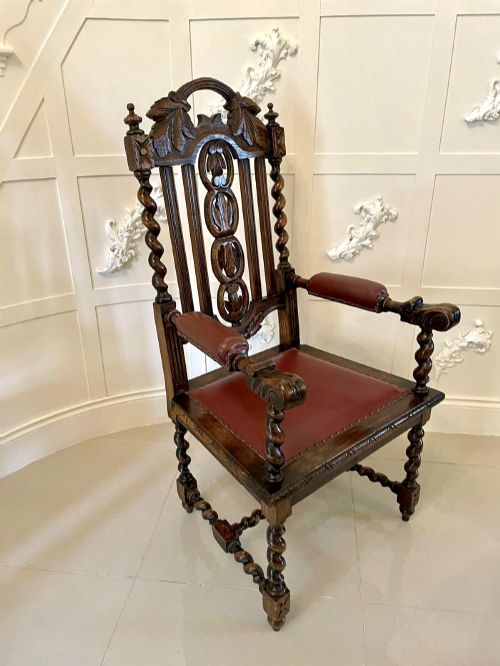
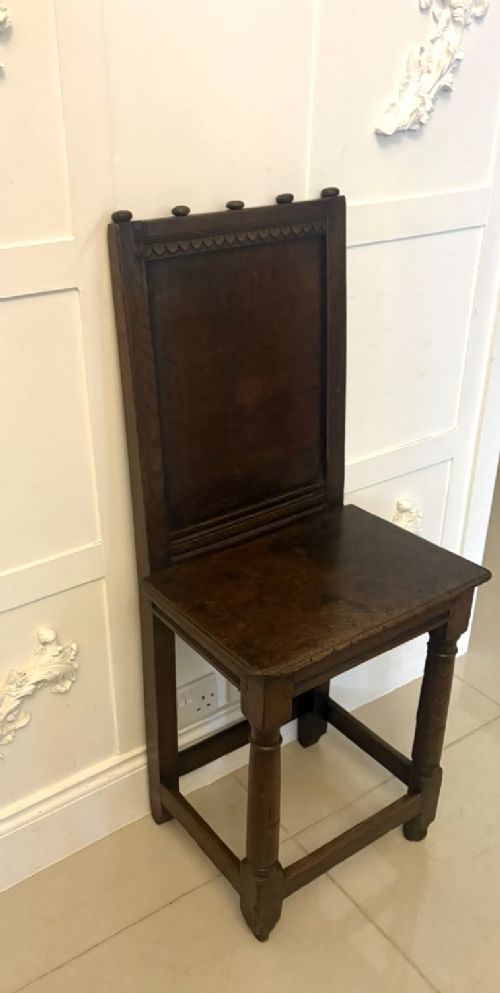
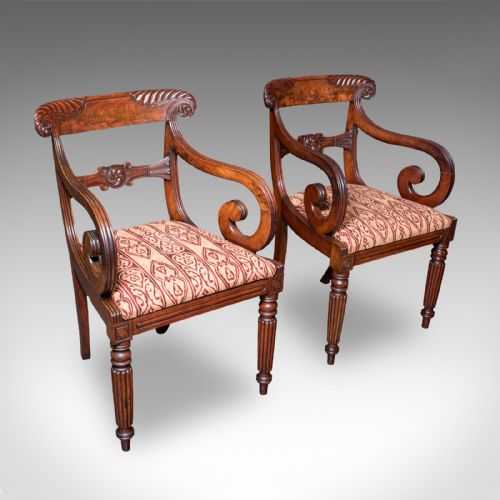
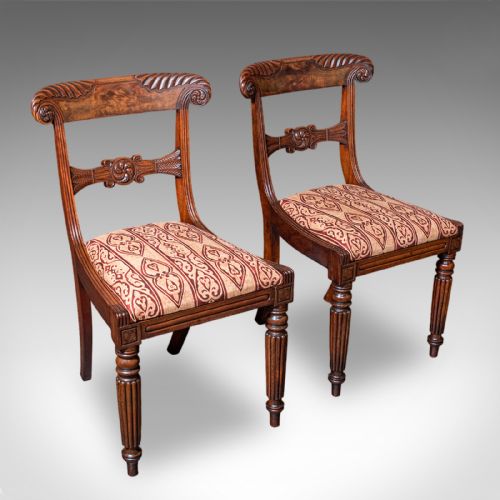
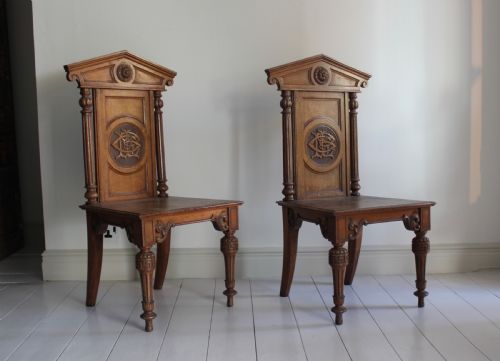
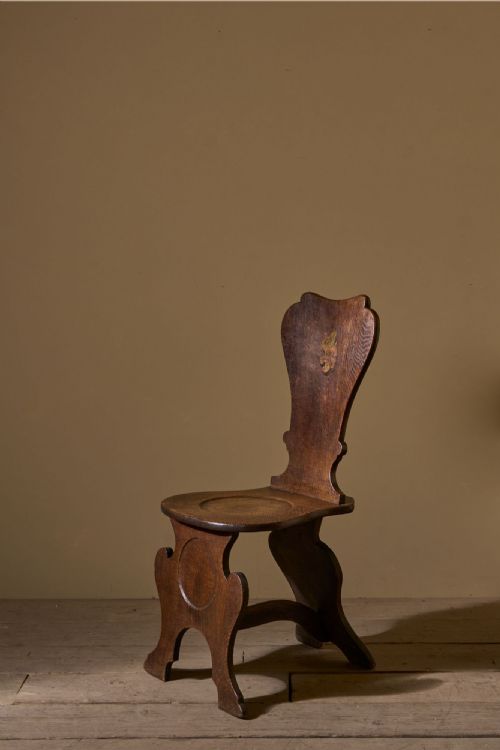
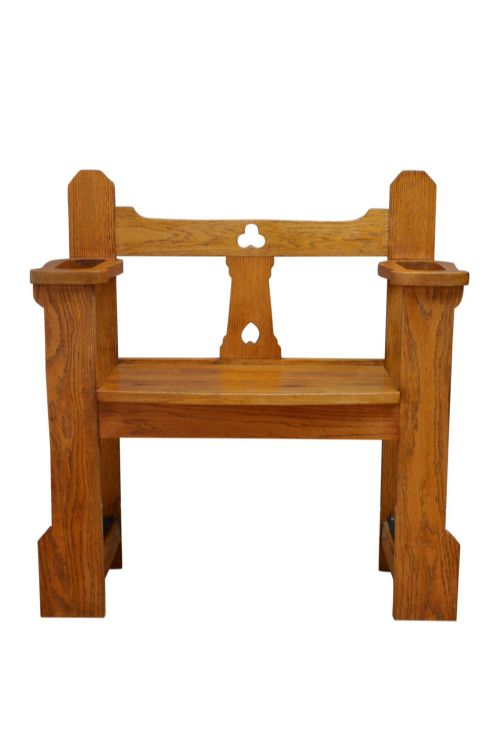
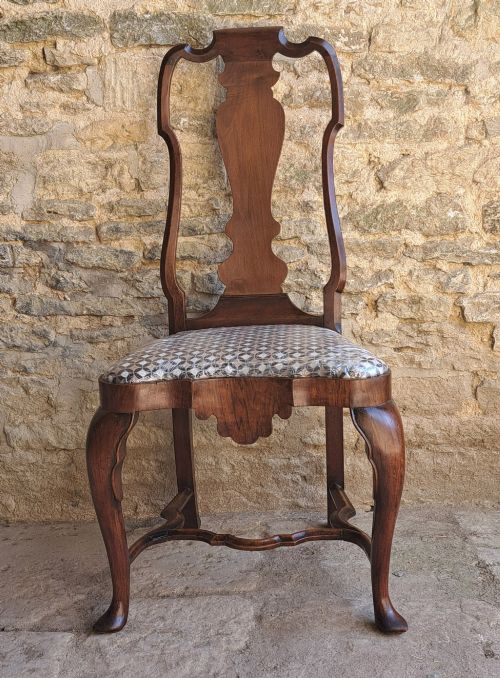
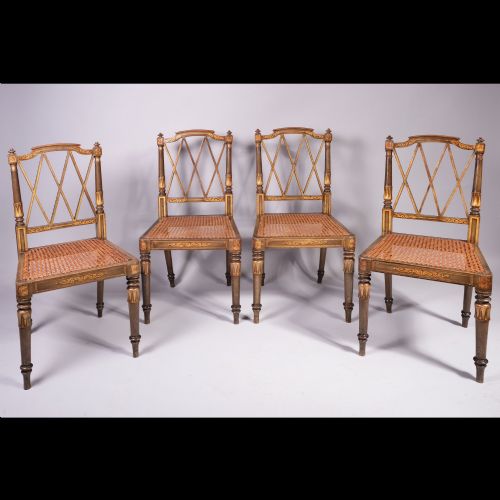
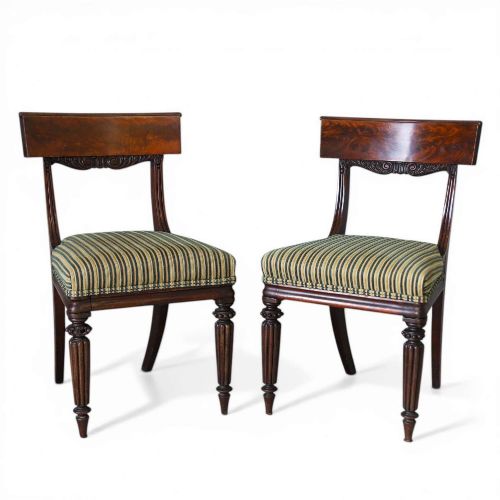
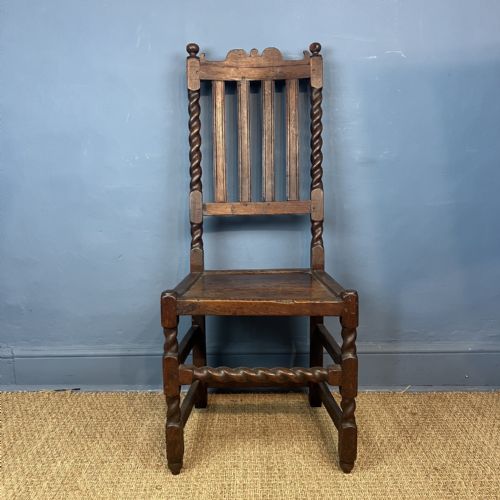
When you search for an english hall chair, you encounter sturdy timber seating designed primarily for grand entrances, vestibules, and reception halls. These pieces date from the seventeenth century through to the Victorian era, spanning styles such as Gothic Revival, Regency, Georgian, and Jacobean.
Makers historically designed these pieces to be functional statements rather than lounging seats. Consequently, the forms remain upright, rigid, and narrow in proportion to fit neatly against hallway walls.
Craftsmanship and Proportion
Quality rests in the crispness of the hand-carving, the weight and selection of the timber, and the structural integrity of the joints. Finer examples display deeply sculpted armorial crests, balanced proportions, and carefully matched grain patterns.
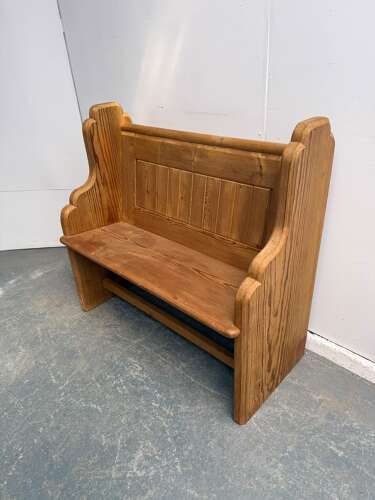
Simpler vernacular pieces show utilitarian construction with basic turned legs and minimal decoration, whereas high-status commissions exhibit sophisticated stylistic details from specific design periods.
English Hall Chair Retail Price Guide 2026
Typical asking prices for english hall chair among the pieces listed under this phrase on Sellingantiques today, from the lower quarter to the upper quarter. They describe what is for sale here now, not the wider market.
Early correction chairs supposedly straightened the posture of unruly youths, though they look more like wooden thrones.
Gillows·Thomas Chippendale·Hepplewhite
The English Hall Chair Glossary
- Shield back
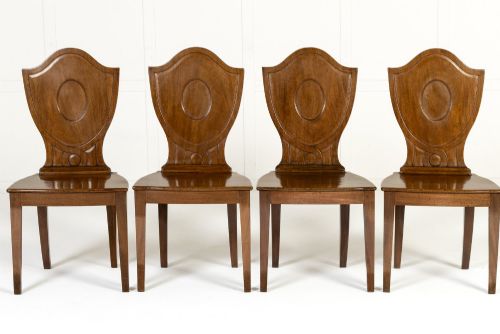
- A chair back shaped like a heraldic shield, popular during the Georgian period. This design provides a broad canvas for carved decoration.
- Wainscot chair
- An early wooden armchair constructed with panelled backboards, typically made from heavy oak. These sturdy seats date to the seventeenth century and earlier.
- Backstool
- An early form of seating resembling a chair without arms, common in seventeenth-century English interiors. The term distinguishes them from heavier wainscot armchairs.
- Splat
- The vertical central strip of wood in a chair back connecting the seat to the top rail. Master carvers often pierced or shaped this component to define the style.
English Hall Chair: Frequently Asked Questions
Where did they place these chairs?
These seats stood primarily in entrance halls, corridors, and large reception rooms of substantial homes. Guests used them briefly while waiting to be announced.
Because they were meant for transit rather than lounging, the designs prioritized visual impact and upright posture over deep comfort.
Are they comfortable to sit on?
Most examples offer a firm, upright sit with carved wooden seats rather than cushioned padding. They were built for posture and display.
Later Victorian and Regency variants occasionally incorporate upholstery, rush, or cane, but the core function remained architectural and decorative.
How do I date an oak example?
Dating relies on examining the joinery marks, timber grain, and the specific decorative style of the carved back or legs. Seventeenth-century pieces display heavier oak construction and pegged joints.
Later nineteenth-century revivals borrow these earlier motifs but utilise machine-assisted cuts and different assembly methods.
Can I use them as dining seats?
Their narrow proportions and rigid backs make them suitable for pairing with a rustic dining or desk table. Many historical examples function interchangeably as side chairs.
One should verify the seat height and leg clearance to ensure proper alignment with modern table dimensions.