




English Gold Jewellery
English gold jewellery brings together rings, bracelets, and cufflinks shaped by generations of makers from the Georgian era through to the 1930s.
English Gold Jewellery
English gold jewellery encompasses a range of wearable ornaments and accessories, including rings, bracelets, watch chains, and cufflinks. These pieces span multiple eras, notably the Georgian, Victorian, Edwardian, and Art Deco periods.
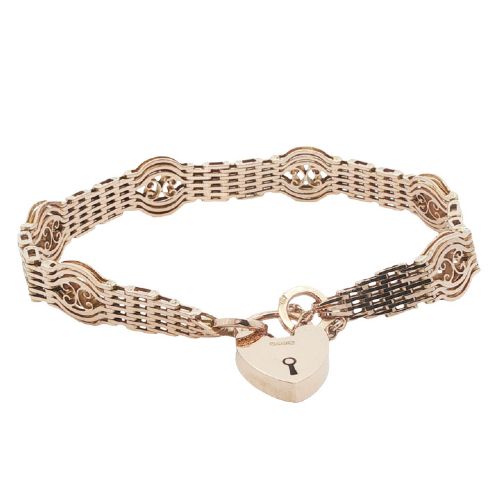
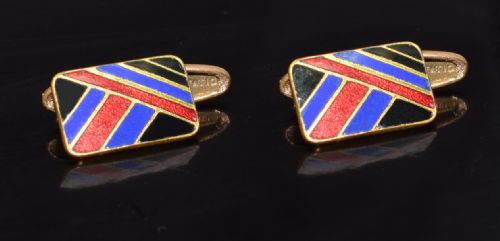
The selections available include rings set with gemstones like sapphire, diamond, and amethyst, alongside rose gold gate bracelets secured with heart padlocks. Cufflinks and watch chains from later decades also feature.
How they were made
Items are constructed primarily from gold, including 18ct gold and 9ct rose gold, often combined with precious stones like diamonds, sapphires, and amethysts. Metalwork techniques shape these materials into intricate rings, clasps, and links.
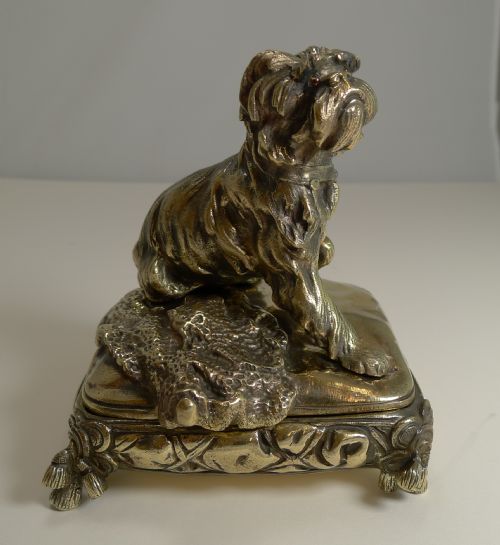
Other pieces incorporate base metals, sterling silver, brass, and bronze, alongside organic materials like wood with penwork or lacquer finishes. These diverse substrates demonstrate traditional British manufacturing methods appropriate to each period.
English Gold Jewellery Retail Price Guide 2026
Typical asking prices for english gold jewellery among the pieces listed under this phrase on Sellingantiques today, from the lower quarter to the upper quarter. They describe what is for sale here now, not the wider market.
What varies in quality
Distinction across pieces rests on the fineness of the metalwork, the precision of gemstone settings, and the preservation of original details such as enamel or engraving. Earlier examples display hand-wrought characteristics that differ from later mass-produced elements.
The integrity of secondary materials, from lacquered surfaces to fitted boxes, influences the overall character of an item. Craftsmanship evident in structural joints and clasps distinguishes standard production from finer examples.
Payton Pepper & Co
The English Gold Jewellery Glossary
- Gate bracelet
- A flexible bracelet formed of parallel metal bars linked together, often finished with a padlock clasp. This style gained popularity during the Victorian and Edwardian eras.
- Boat ring
- A ring featuring a curved, boat-shaped mounting that holds a row of clustered gemstones. This configuration was common in late nineteenth-century jewellery design.
- Padlock
- A small, functional lock used as a decorative clasp on bracelets and chains. They frequently appear on Edwardian rose gold pieces.
- Penwork
- A decorative technique using ink applied to wood surfaces to create detailed illustrations. It is found on certain Georgian and nineteenth-century boxes and cabinets.
- Chinoiserie
- A European artistic style reflecting Chinese motifs and decorative patterns. It appears on lacquered boxes from the Georgian period.
English Gold Jewellery: Frequently Asked Questions
What periods do these pieces cover?
The items span from the Georgian era through Victorian, Edwardian, and Art Deco periods up to the 1930s.
Each period introduces distinct artistic movements, such as Art Nouveau curves or geometric Art Deco lines.
How were watch chains worn?
Watch chains were typically secured across a waistcoat or pocket, often terminating with a fob or decorative bar.
They served both a practical purpose for securing timepieces and a decorative function for gentlemen.
What materials are used besides gold?
Items incorporate sterling silver, brass, bronze, and gemstones like diamonds, sapphires, and amethysts.
Non-metal components include wood, lacquer, and glass found in boxes and cabinets.
How do I care for antique jewellery?
Pieces require gentle cleaning suitable for their specific metals and stones without harsh chemical immersion.
Storing items separately prevents scratching between harder gemstones and softer gold settings.