





English Glass Bottle
An English glass bottle brings centuries of domestic and maritime history to any room, taking forms from heavy decanters to intricate maritime dioramas.
English Glass Bottle
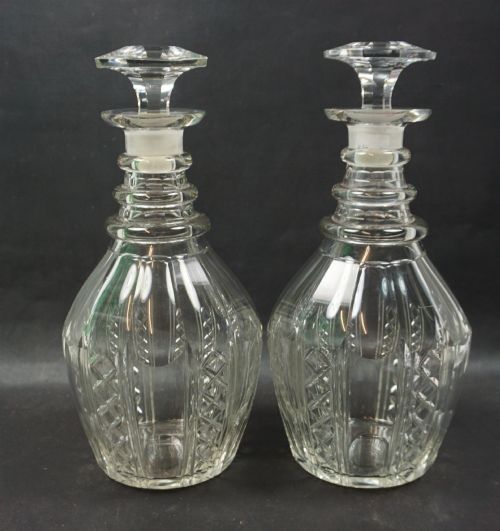
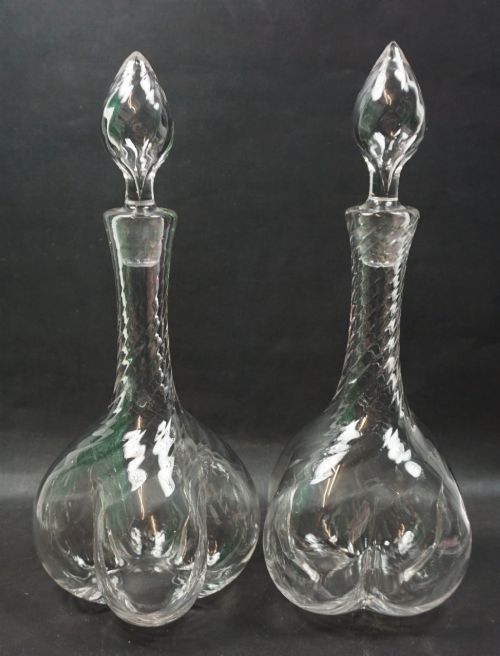
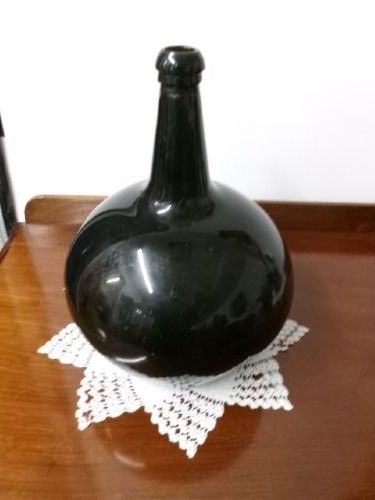
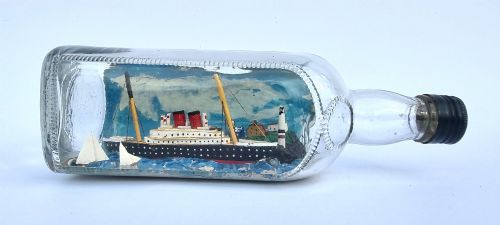
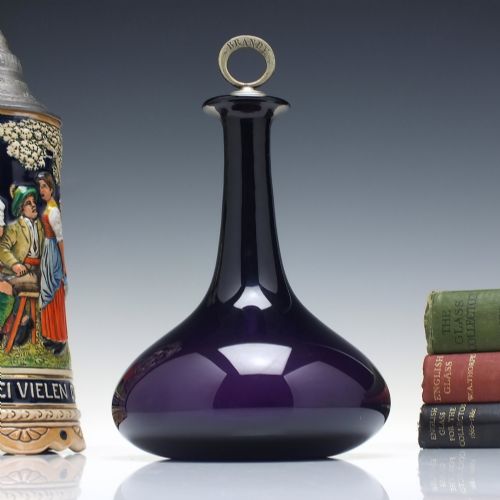
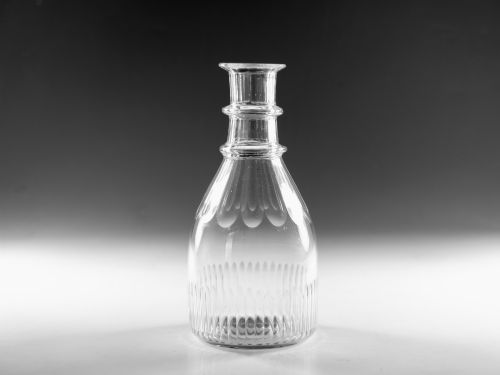
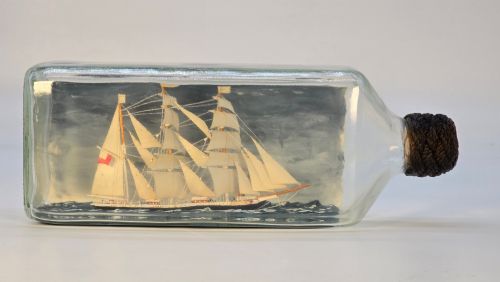
When you search for an english glass bottle, you encounter a remarkably diverse array of objects spanning the Georgian, Victorian, and Edwardian eras. Decanters, spirit flasks, and heavy carafes dominate the selection, often accompanied by smaller scent bottles and pocket flasks mounted in leather cases. Folk art also emerges through maritime dioramas housed inside blown glass vessels.
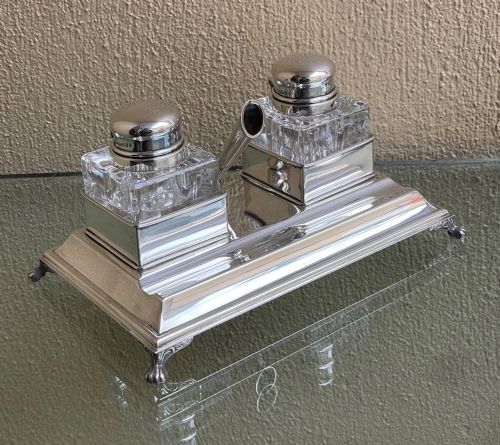
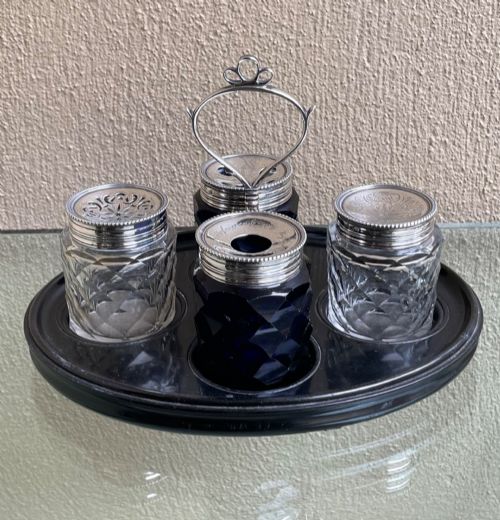
The material record stretches from the late eighteenth century into the mid-twentieth century, including pieces produced during the Regency and Art Deco periods. Domestic serving vessels sit alongside apothecary jars, silver-collared perfume bottles, and solid silver-mounted inkstands. Each functional form reflects the social habits of its specific decade of manufacture.
Materials and technique
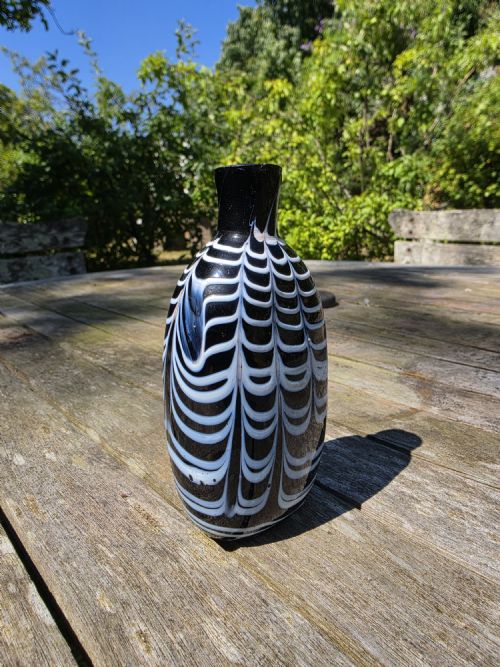
Makers utilised heavy lead crystal and blown glass, frequently shaping vessels with deep cut facets, three neck rings, or ruby and amethyst overlay. Nailsea glassworks and nineteenth-century glasshouses employed techniques that produced rich colour variations and dense, heavy walls suitable for holding spirits or liquids.
Metalwork played a defining structural and decorative role, combining sterling silver collars, silver plate, and hinged mounts with the glass bodies. Hallmarks stamped onto silver mounts provide precise dates and maker details, while leather cases and wooden diorama elements complete the construction of specialised travel and folk pieces.
English Glass Bottle Retail Price Guide 2026
Typical asking prices for english glass bottle among the pieces listed under this phrase on Sellingantiques today, from the lower quarter to the upper quarter. They describe what is for sale here now, not the wider market.
Listings span periods from Georgian and Victorian eras through to Art Deco and mid-century modern designs.
Judging execution
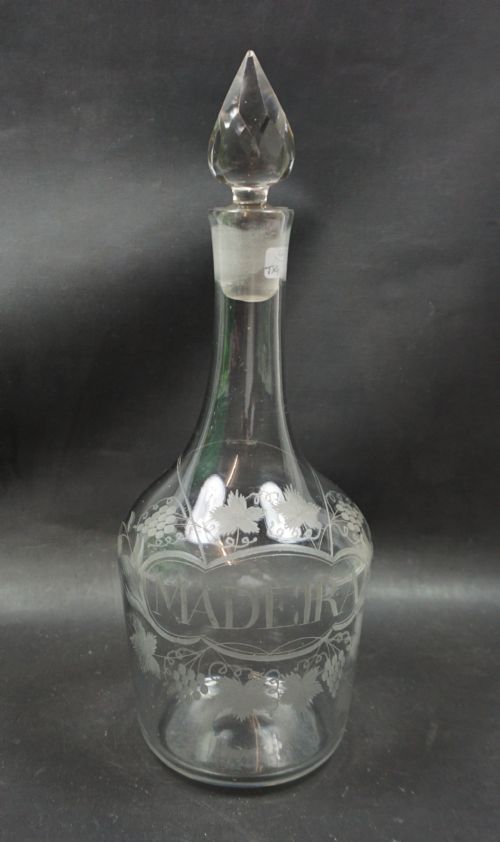
The distinction between standard utility items and finer examples rests on the crispness of the glass cutting and the weight of the crystal. Heavy lead glass with deep, clean facets and well-balanced proportions demonstrates superior craftsmanship compared to thin, simple blown forms.
Mount quality dictates the upper tier of the range, visible in hallmarked sterling silver collars, heavy silver-plated hardware, and specialised locking mechanisms. Original stoppers matching the exact body of a decanter also elevate the overall integrity of the piece.
Henry Perkins·Barnsley and Co·Adie Brothers Ltd·Mappin and Webb·Hukin and Heath
The English Glass Bottle Glossary
- Decanter
- A vessel used for holding and serving wine or spirits, typically fitted with a glass stopper. These items often feature cut crystal patterns and three neck rings.
- Scent bottle
- A small container designed to hold perfume, frequently fitted with a hinged silver cap or glass stopper. Many examples incorporate sterling silver collars or enamel work.
- Saddle flask
- A portable glass bottle shaped to fit inside a leather case for travel on horseback. These nineteenth-century items served explorers and riders.
- Sulphide
- A small ceramic plaque embedded inside solid glass during manufacture, often depicting flora or emblems. These objects appear in nineteenth-century dumps and paperweights.
- Soda syphon
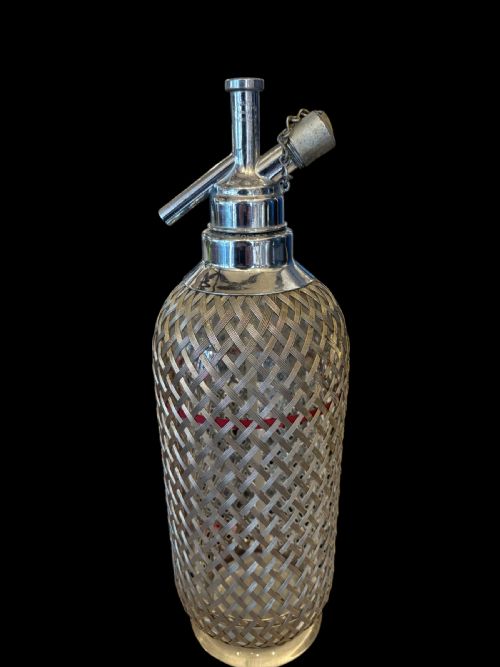
- A pressurized bottle used for dispensing carbonated water, commonly encased in wire mesh or metal fittings. Twentieth-century examples frequently feature embossed manufacturer lettering.
English Glass Bottle: Frequently Asked Questions
What were glass spirit flasks used for?
These portable vessels held whiskey, brandy, or other spirits for personal consumption during travel or outdoor pursuits.
Many featured protective leather cases and silver caps that doubled as small drinking cups.
How do I date a silver-mounted scent bottle?
Birmingham and London assay office hallmarks stamped onto the silver collars provide exact year letters and maker marks.
Comparing the style of the glass cutting and the shape of the silver hinge helps confirm the production decade.
What is a Nailsea glass flask?
Nailsea glassworks produced distinctive vessels featuring looped or feathered enamel trails embedded beneath a clear glass surface.
These eighteenth and nineteenth-century pieces display characteristic asymmetrical colour patterns unique to the Somerset region.
How should I display heavy cut decanters?
Place them on stable wooden sideboards or within glass-fronted cabinets away from direct, high-traffic edges.
Ensure heavy crystal vessels stand on flat surfaces to protect both the base and any matching stoppers.