
English Georgian Dresser
An english georgian dresser brings centuries of practical storage and honest timber into a room.
English Georgian Dresser
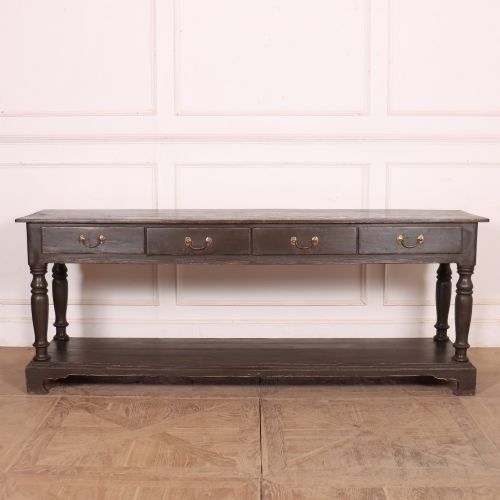
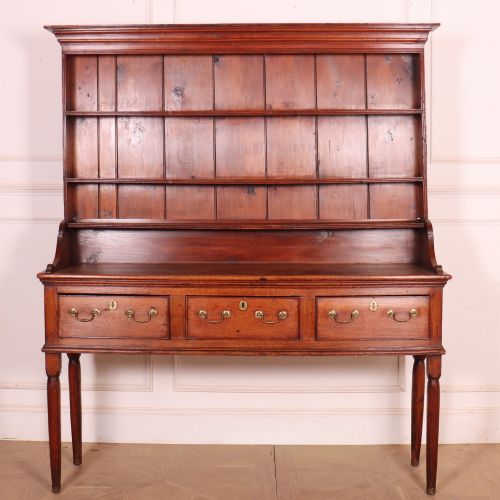
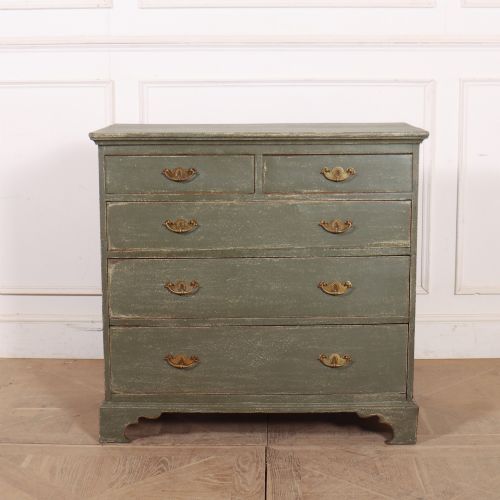
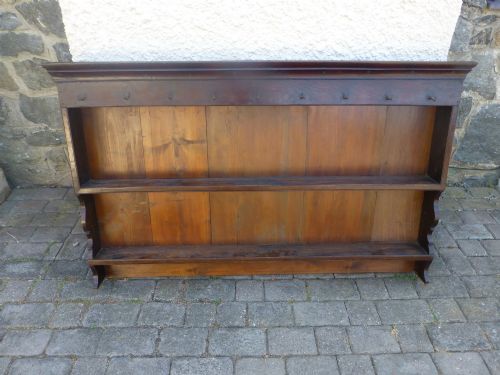
An english georgian dresser encompasses robust kitchen potboard bases, plate racks, and formal drawer chests originating from eighteenth and nineteenth century England. Buyers searching this phrase meet substantial oak, mahogany, and painted pine forms shaped by provincial cabinetmakers and country joiners.
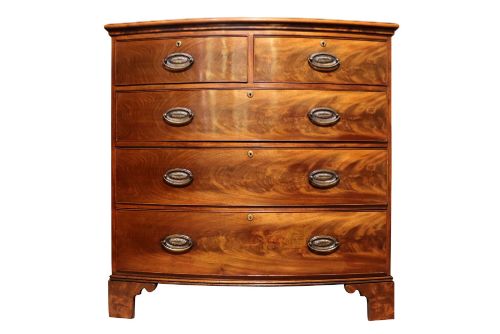
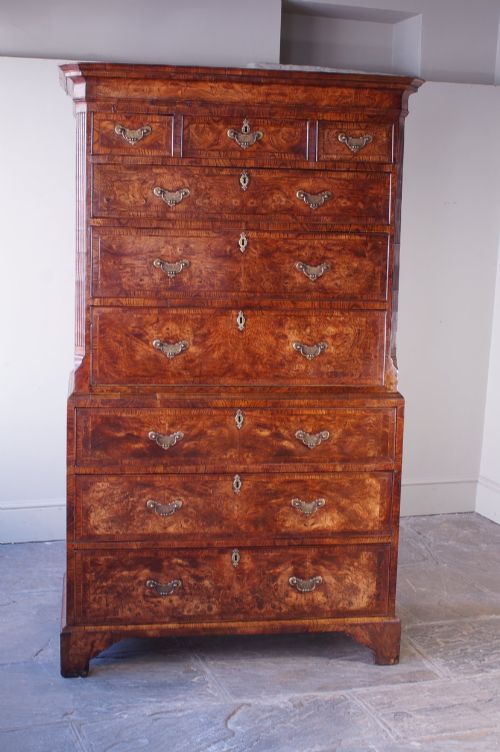
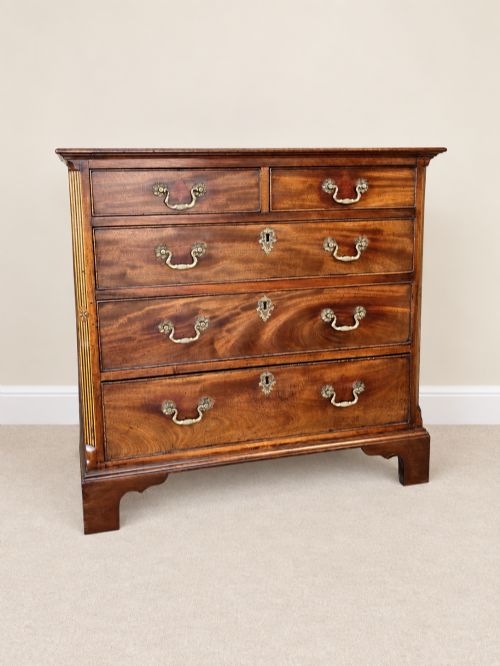
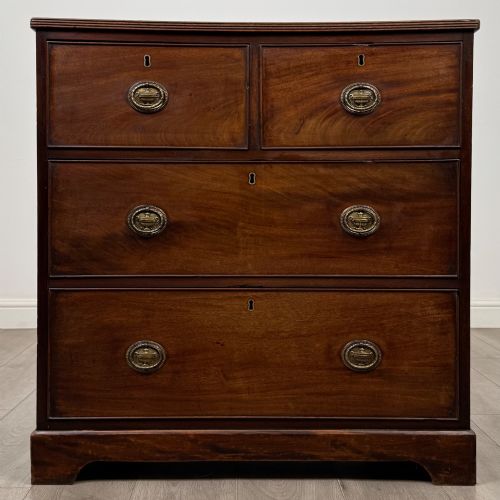
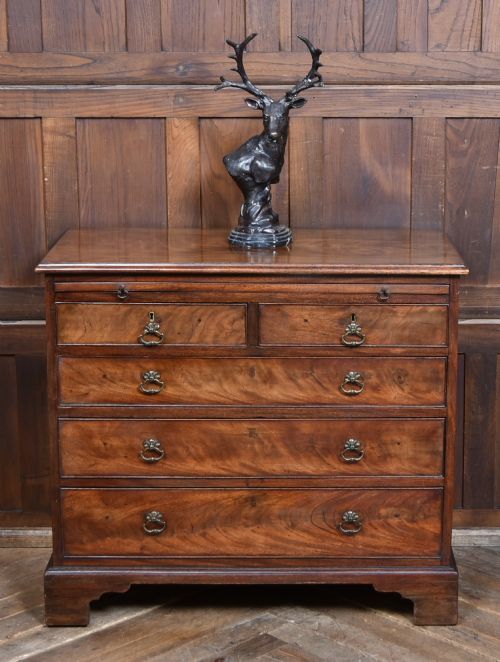
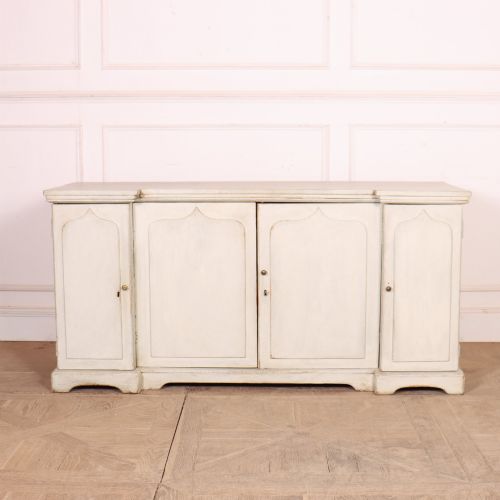
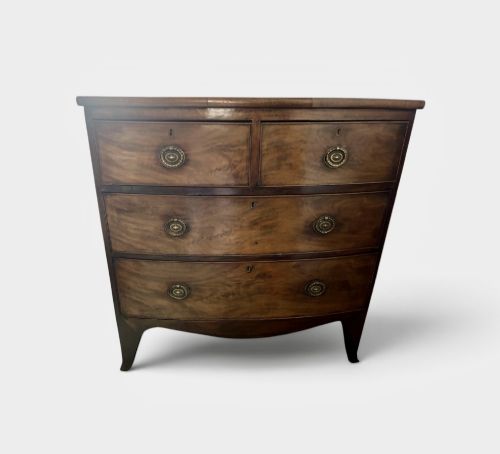
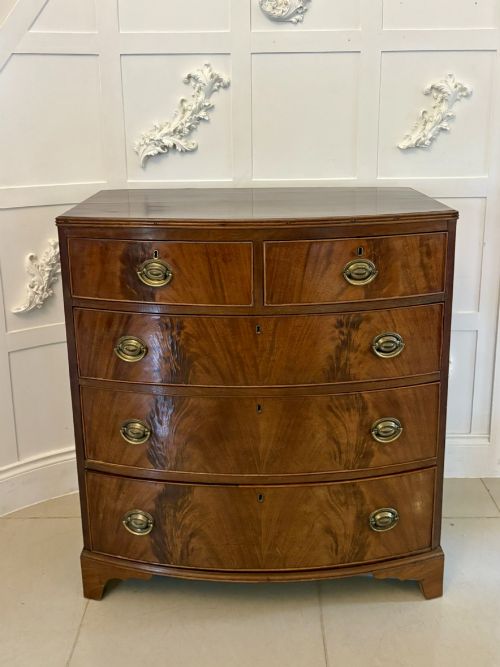
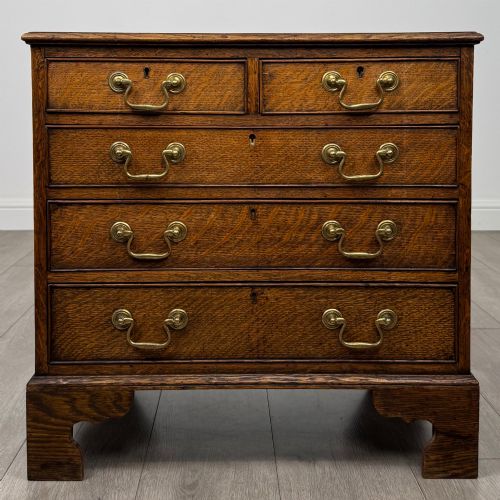
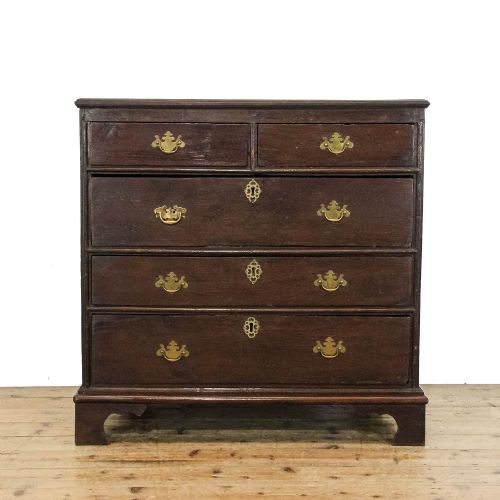
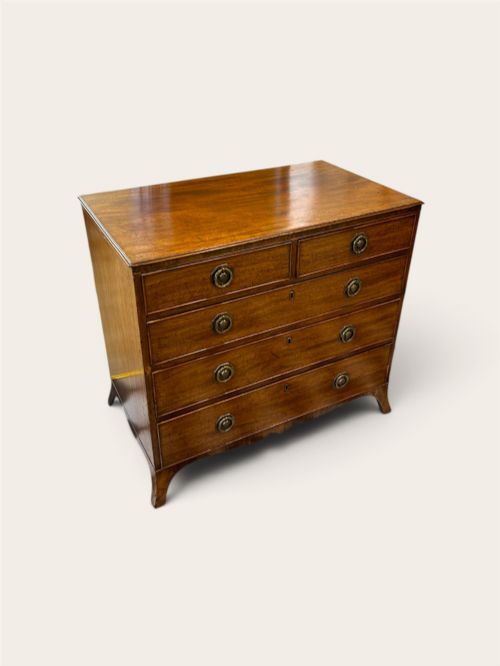
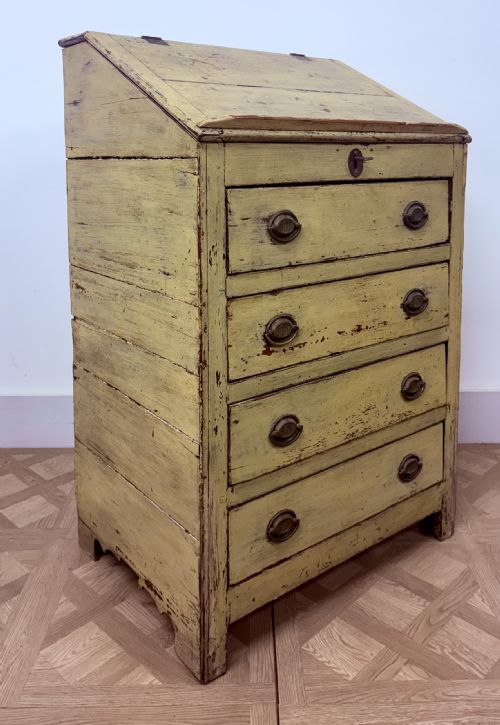
The pieces appearing here range from heavy oak dresser bases with cabriole legs to refined mahogany chests and country house serving tables. Oak and painted wood dominate the earlier provincial examples, while mahogany defines the more polished urban forms.
Materials and construction
Cabinetmakers built these pieces primarily using solid oak, mahogany, pine, and elm, often combining timbers within a single frame such as oak and elm dresser bases. Surfaces display hand-planed finishes, painted coats, and figured grain patterns selected by period artisans.
Hardware typically includes brass handles and escutcheons secured to dovetailed drawer boxes. Joinery relies on traditional pegging and framing techniques suited to heavy daily domestic use.
Hot-water plates once kept nineteenth-century dinners warm by holding boiling water inside their ceramic chambers.
Judging the range
Quality rests on the choice of timber and the integrity of the original construction, from figured ash and walnut down to utilitarian painted pine. Finer pieces exhibit careful timber selection and restrained proportions rather than heavy-handed restoration.
The character of the surface finish dictates much of the distinction between rustic country pieces and refined urban furniture. Original painted surfaces and patinated polished mahogany separate standard utilitarian furniture from exceptional vernacular survivals.
Spode
The English Georgian Dresser Glossary
- Potboard dresser base
- A low storage unit featuring an open lower shelf or potboard beneath the main counter. These sturdy bases served kitchens and dining areas for displaying and storing heavy crockery.
- Plate rack
- A wall-mounted wooden framework designed with grooved shelves and vertical slats to hold ceramic plates upright. They frequently accompany 18th century oak dressers.
- Bow front
- A convex curved cabinet front that projects outward in a smooth arc. This profile appears frequently on Regency and Georgian mahogany chests of drawers.
- Dovetail
- A traditional interlocking joint used to connect drawer sides to drawer fronts and backs. Hand-cut dovetails indicate period craftsmanship.
- Chippendale
- A mid-18th century design style associated with the aesthetic of Thomas Chippendale. Pieces in this style utilise rich mahogany and classic carving motifs.
English Georgian Dresser: Frequently Asked Questions
How do I identify a Georgian dresser?
Look for construction methods such as hand-cut dovetails, pegged joints, and timber choices typical of the eighteenth century like oak and mahogany. Provincial examples often display simpler lines and local woods.
Examine the hardware and the overall proportion of the base and any accompanying plate rack. Genuine period pieces show consistent wear patterns and honest timber shrinkage accumulated over centuries.
Where were these dressers used?
These pieces served primarily in country houses, farmhouses, and domestic kitchens for food preparation and storage. Dresser bases held heavy cookware while plate racks displayed everyday ceramics.
Over time, many migrated from working kitchens into dining rooms and living spaces as decorative furniture. Their robust construction allowed them to handle heavy daily domestic demands.
What is a potboard base?
A potboard base is a low wooden cabinet featuring an open shelf near the floor beneath the main working surface. Kitchens utilised this lower tier to store pots, pans, and large earthenware vessels.
This open lower shelf distinguishes many English country dressers from standard enclosed sideboards. It provides a distinct architectural lightness to heavy oak furniture.
How should I care for antique oak?
Maintain stable humidity levels in your room to prevent the solid oak timbers from splitting or warping. Avoid placing the furniture near direct heat sources or strong sunlight.
Apply a traditional beeswax polish occasionally to nourish the dry wood and preserve the surface patina. Clean surfaces gently with a soft, dry cloth rather than modern chemical sprays.