

English Georgian Armchair
An english georgian armchair brings solid timber framework and honest vernacular presence into a room.
English Georgian Armchair
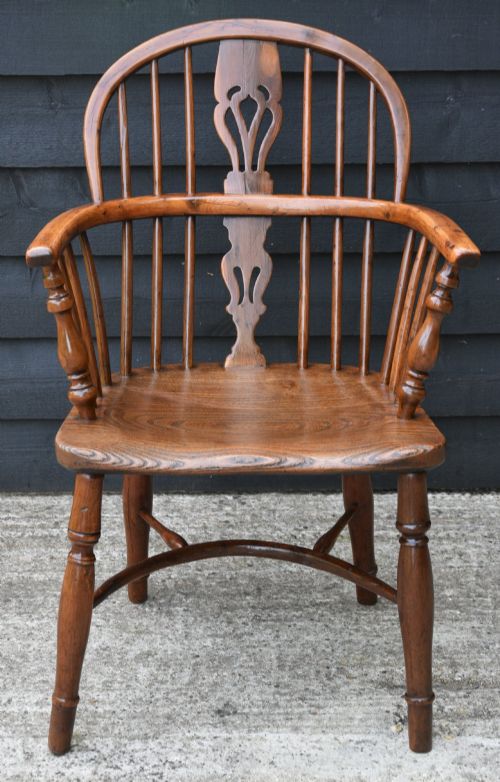
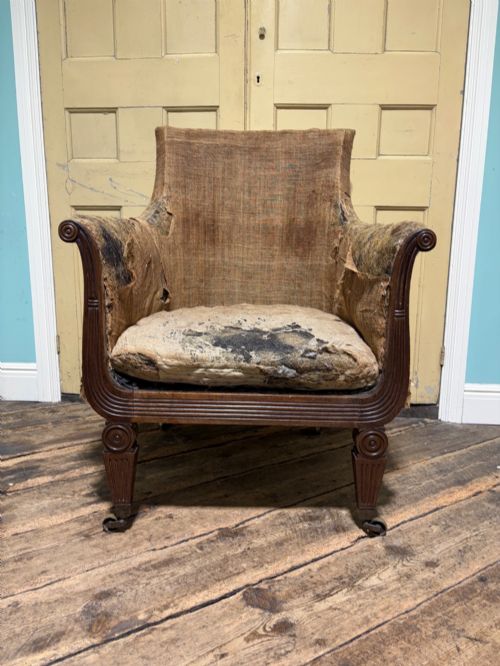
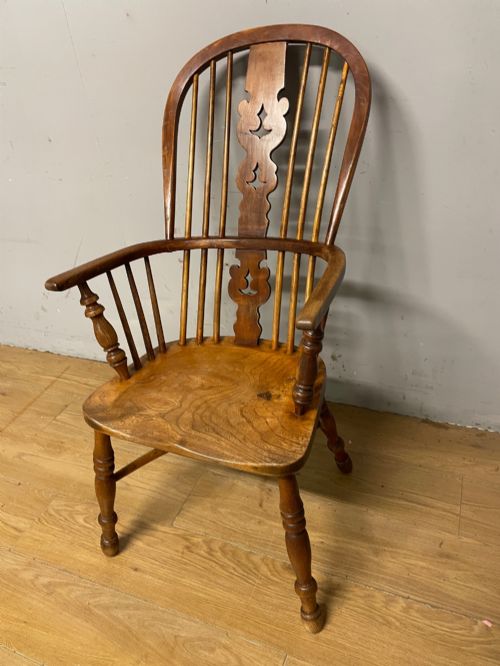
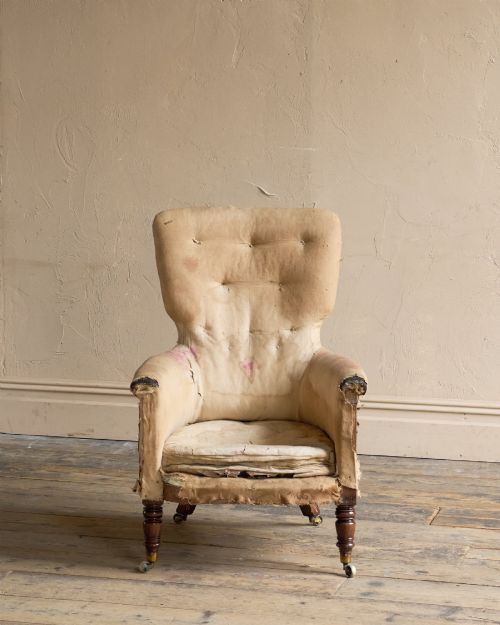
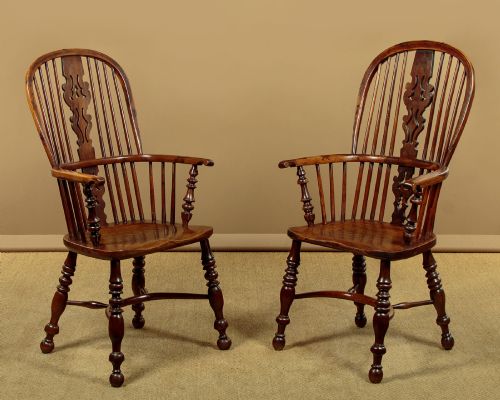
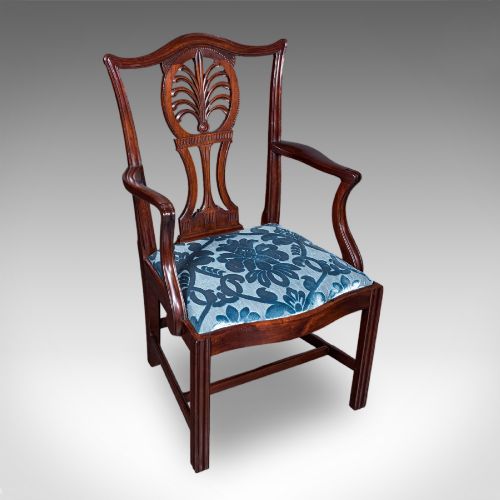
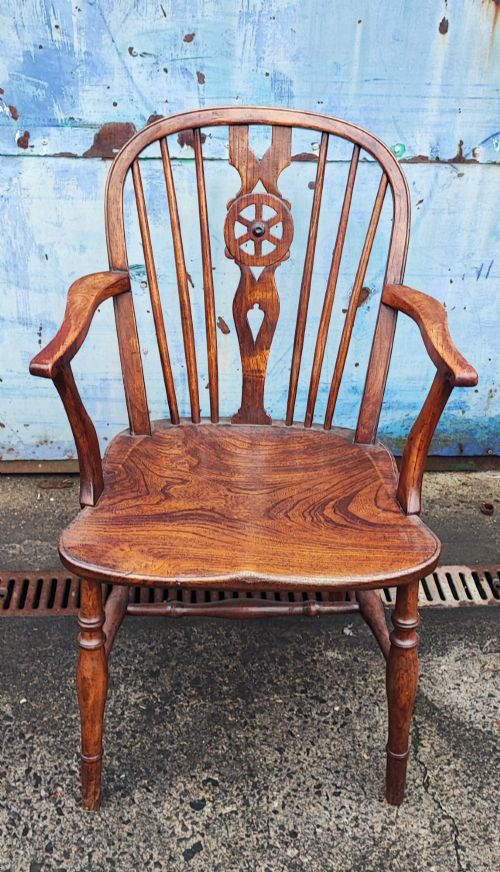
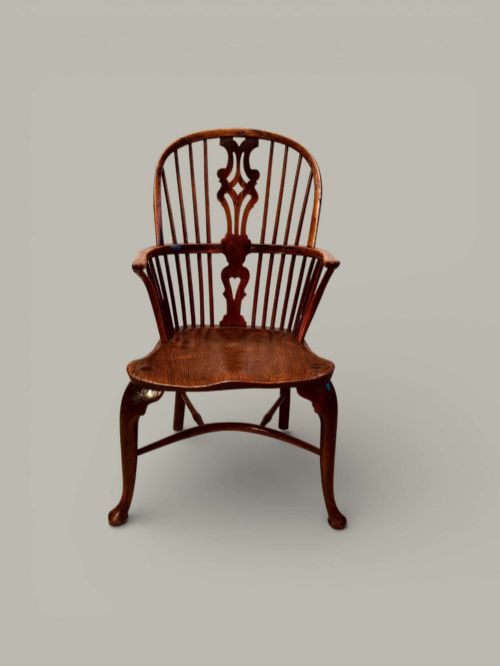
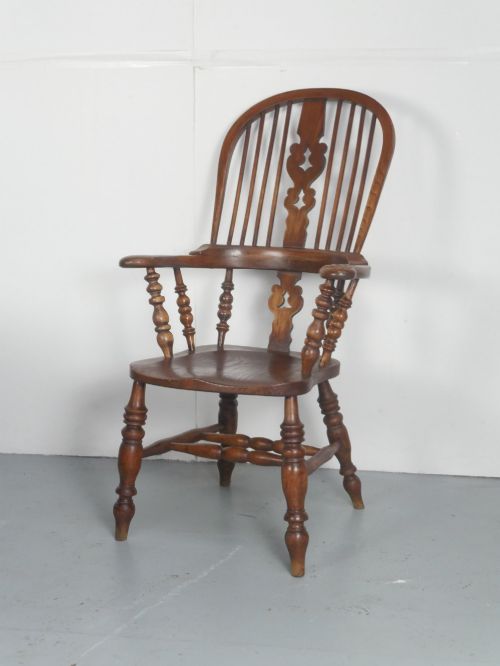
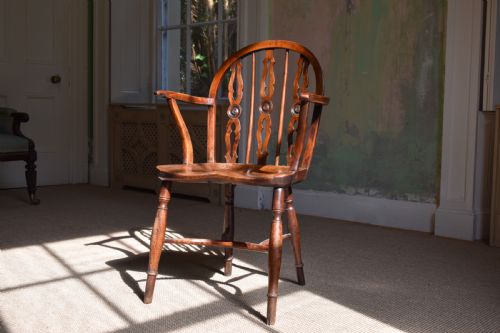
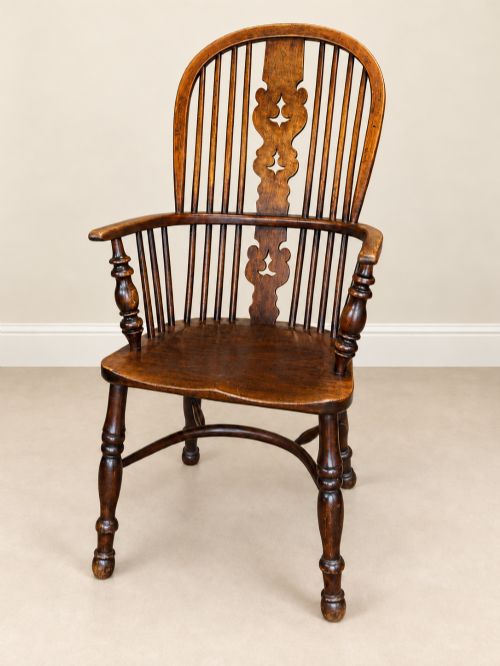
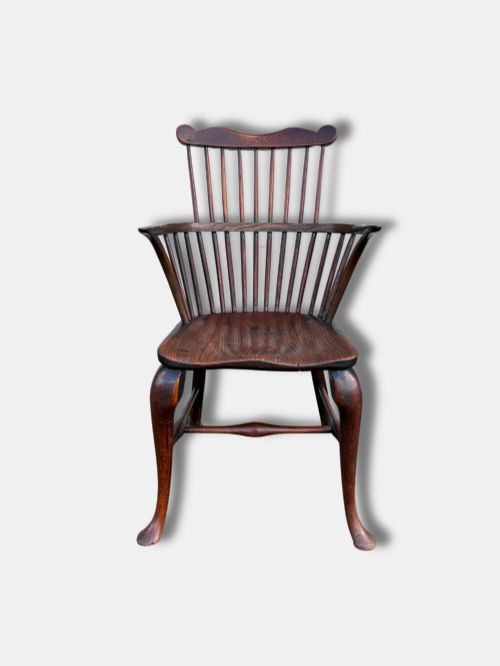
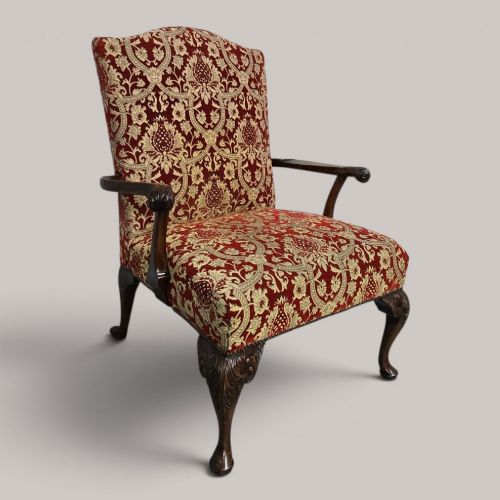
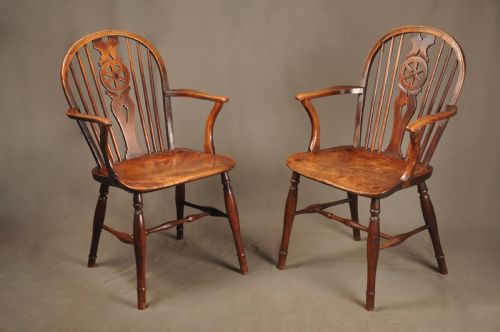
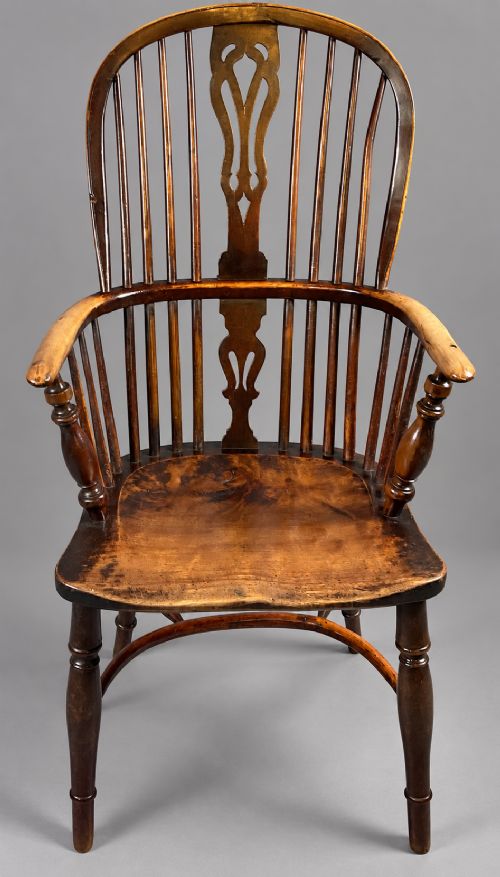
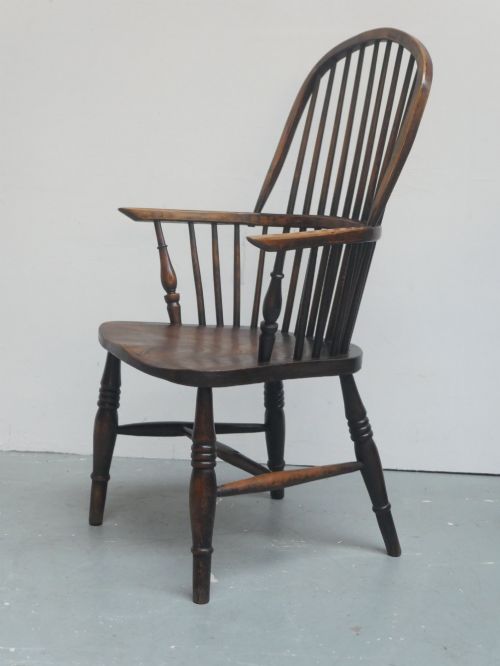
The selections on this page heavily feature eighteenth century Windsor chairs in yew and elm, alongside grand mahogany Gainsborough armchairs and Regency library seating. Regional country varieties such as Thames Valley and Lincolnshire examples appear alongside formal George III seating.
Materials and Construction
Maker's workshops combined native hardwoods, utilising elm seats with yew wood hoops and ash spindles on traditional Windsor chairs to achieve flexible strength. Formal library and Gainsborough armchairs relied on dense mahogany frames, sometimes finished with blind carving and upholstered in hand-dyed English leather.
Joinery relied on traditional methods including wedged tenon joints and steam-bent components that allowed rigid timber to form curved hoops and comb backs. Upholstered pieces integrated brass details and supportive padding beneath fabric or hide coverings.
English Georgian Armchair Retail Price Guide 2026
Typical asking prices for english georgian armchair among the pieces listed under this phrase on Sellingantiques today, from the lower quarter to the upper quarter. They describe what is for sale here now, not the wider market.
Listings feature centuries of English seating, combining sturdy elm and yew Windsor armchairs with mahogany Gainsborough and Regency library chairs.
Assessing Craftsmanship and Proportion
Quality rests in the selection and figuring of timbers, where matching grains on yew and elm Windsor seats demonstrate superior carpentry. Fine proportion in the rake of the legs and the sweep of the arm bow distinguishes comfortable seating from rigid utilitarian forms.
Carved detail on mahogany frames ranges from plain structural members to intricate Chippendale blind carving on formal Gainsborough chairs. The integrity of original timber surfaces and unaltered joinery elevate pieces above heavily restored examples.
The English Georgian Armchair Glossary
- Windsor armchair
- A timber chair constructed with a thick wooden seat into which the legs and back spindles are separately socketed. These forms display distinct regional variations in their hoop backs and comb backs.
- Gainsborough chair
- A wide, upholstered armchair with open padded arms, short mahogany legs, and a square back dating from the mid eighteenth century. They were designed specifically for writing tables and libraries.
- Hoop back
- A curved upper back frame steam-bent from a single piece of timber. This technique provides structural resilience in country armchairs.
- Wainscot armchair
- A heavy seventeenth or eighteenth century wooden armchair constructed largely of oak with panelled backboards. They represent early forms of domestic seating before upholstered furniture became widespread.
- Carver
- A traditional term for an armchair used at the head of a dining table. They match or complement the simpler side chairs in a set.
English Georgian Armchair: Frequently Asked Questions
How do I spot a true eighteenth century Windsor?
Examine the construction of the seat underside to locate wedge joints and pegged tenons securing the legs directly into the elm slab.
Inspect the wood grain and wear patterns around the armbow for the distinct patination accumulated over centuries of domestic use.
Where were Windsor armchairs made?
Production centred largely in rural workshops across the Thames Valley, Lincolnshire, and other timber-rich English counties.
Local cabinet makers utilised accessible regional woods like yew, ash, and elm to construct sturdy seating for farmhouses and country houses.
What is a Gainsborough chair used for?
These wide upholstered seats functioned primarily in libraries, parlours, and studies for writing and reading.
The open wooden arms permitted gentlemen and ladies to sit comfortably while wearing voluminous historical clothing.
How do I care for antique timber and leather?
Apply traditional beeswax sparingly to nourish dry hardwoods and maintain the natural lustre without sealing the grain.
Keep upholstered hide and fabric away from direct heat sources and sunlight to prevent the leather from cracking.