

English Fireside Chairs
English fireside chairs are substantial seats built for comfort beside the hearth, ranging from sturdy vernacular Windsors to upholstered armchairs.
English Fireside Chairs
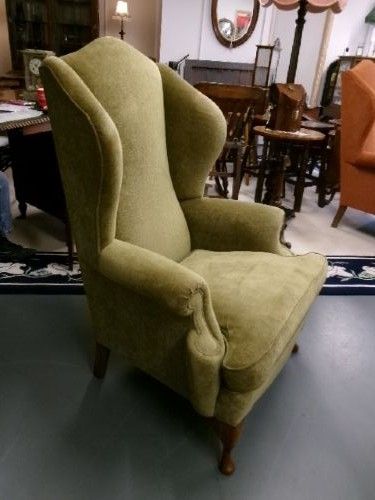
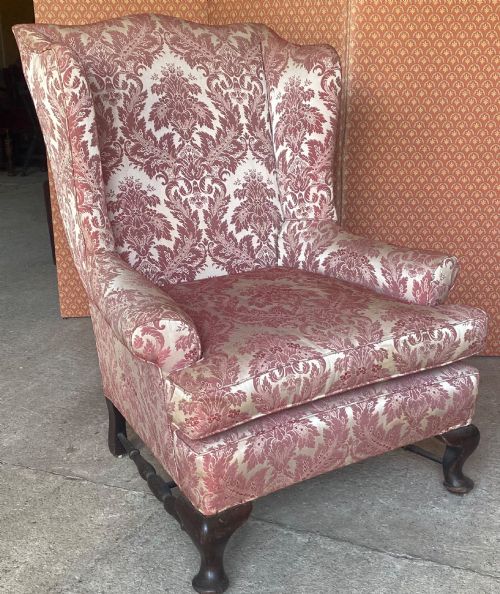
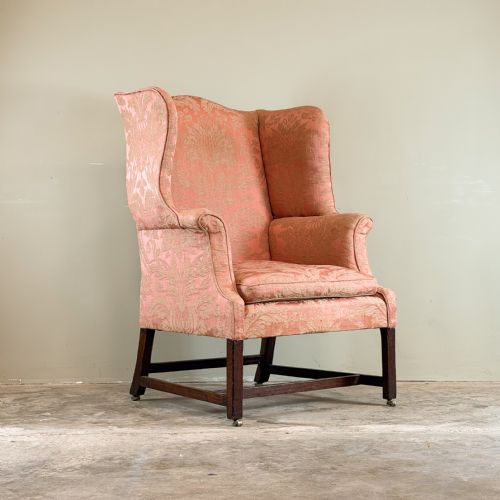
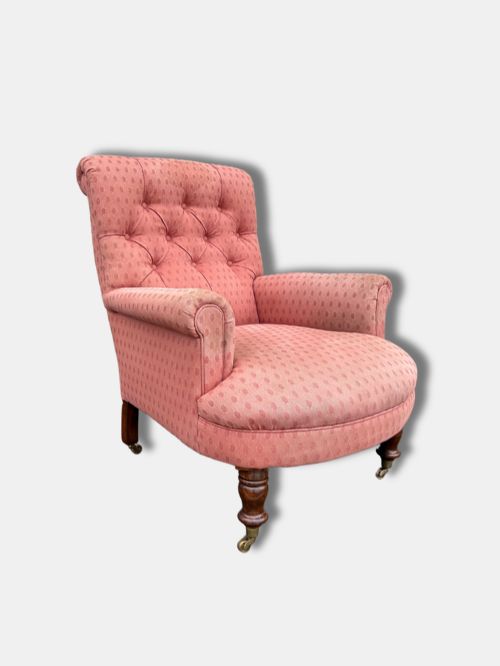
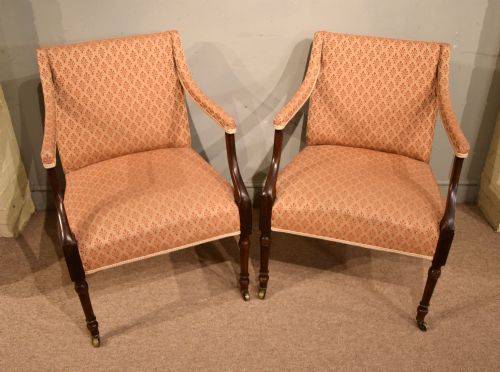
English fireside chairs encompass a broad selection of comfortable seating designed for domestic interiors across multiple centuries. Buyers examine pieces ranging from early country vernacular forms to refined Georgian wingbacks and later Victorian button-backed seats.
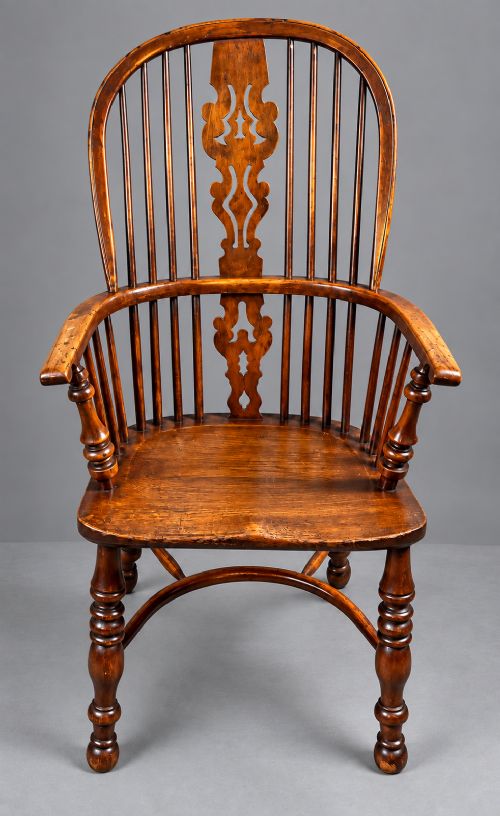
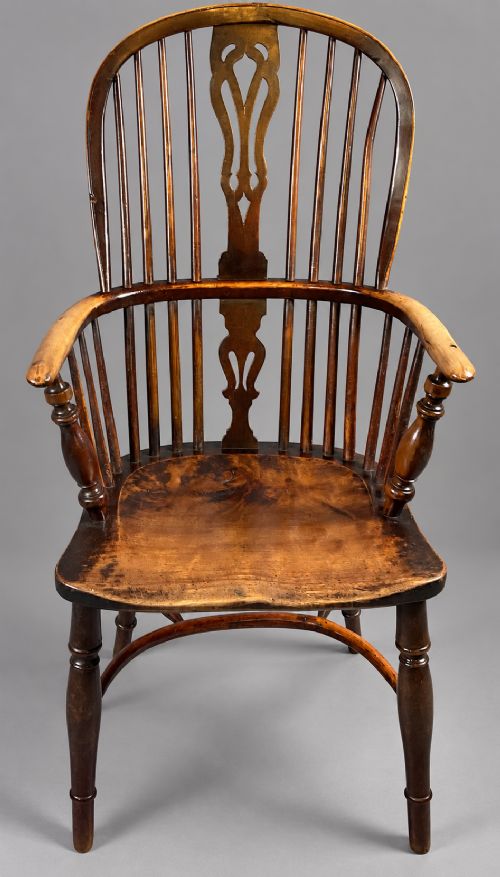
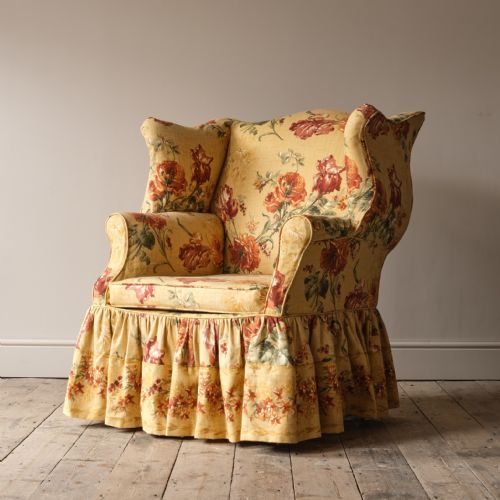
The most common examples on this page are sturdy Windsor chairs and large upholstered armchairs. These forms reflect both rural craft traditions and formal drawing-room aesthetics.
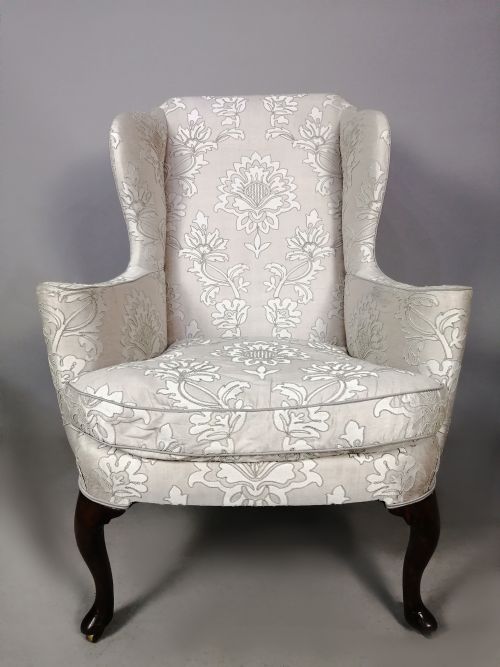
Origins span distinct eras, including the eighteenth and nineteenth centuries, with construction traditions rooted in regional English workshops. Pieces often display specific stylistic traits such as stick backs, wheel backs, or generous upholstered wings.
Materials and construction
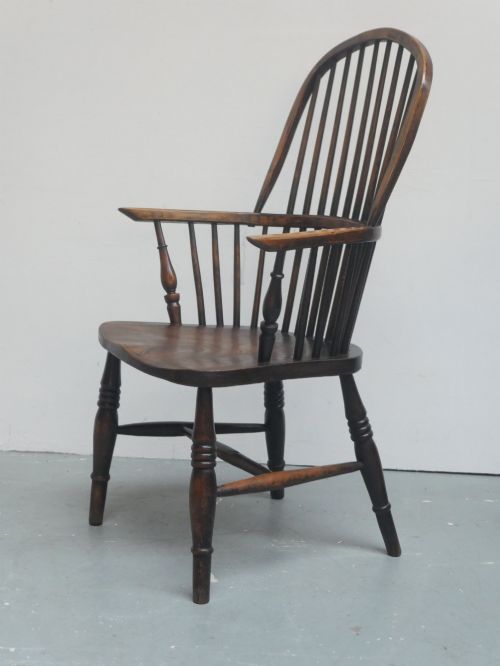
Makers utilised native hardwoods such as ash, elm, mahogany, walnut, and fruitwood to build sturdy frames. Windsor chairs frequently combine elm seats with ash or fruitwood spindles, exploiting the natural tensile strength of these timbers.
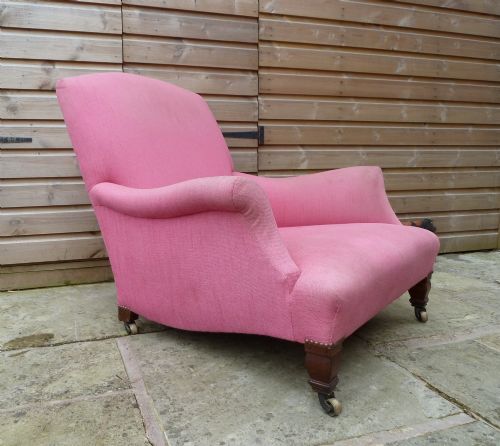
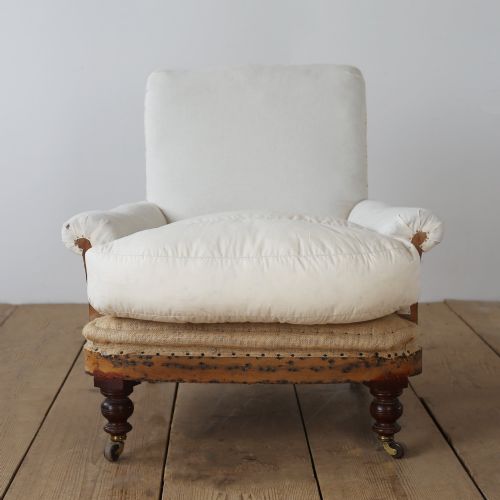
Upholstered forms rely on internal webbing, horsehair stuffing, and feather filling beneath top layers of fabric, calico, or leather. These components create the deep, supportive seats characteristic of country house armchairs.
Listings feature seating spanning the seventeenth century through to the 1930s, constructed from ash, elm, walnut, and mahogany.
Judging quality
Quality rests on the integrity of the timber frame and the retention of original structural components. Chairs that maintain their initial proportions and uncompromised joinery stand apart from those altered by extensive restoration.
The execution of turning on spindles and legs, alongside the depth and resilience of the traditional stuffing, defines the upper tier of craftsmanship. Finer examples exhibit balanced proportions and harmonious integration of wood and upholstery.
Howard and Sons·Gillows·Mellier and Co
The English Fireside Chairs Glossary
- Windsor chair
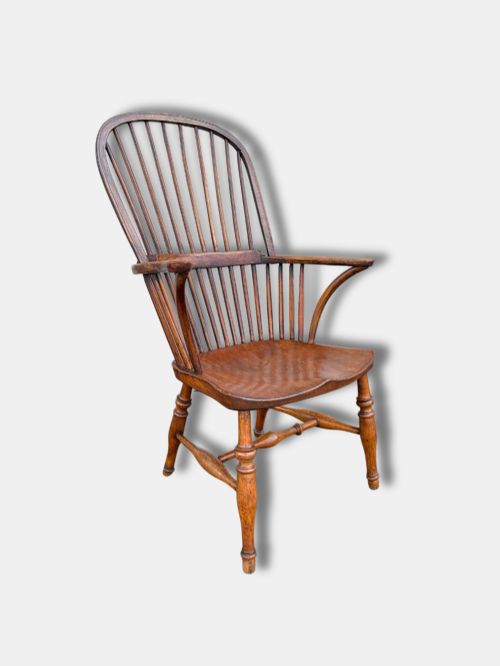
- A wooden chair constructed with seating into which the legs and back spindles are separately fixed. These vernacular seats often feature carved elm saddles and steam-bent bows.
- Wingback armchair
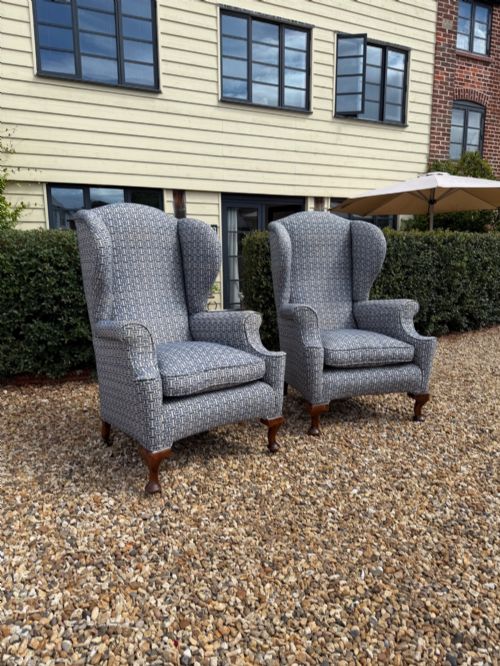
- An upholstered seat featuring projecting side panels designed to shield the occupant from drafts. Georgian and Victorian iterations often stand on cabriole or tapered wooden legs.
- Lambing chair
- An enclosed wooden chair, frequently featuring a high back and solid sides to block cold air near the hearth. Early examples often utilise fruitwood or oak.
- Vernacular furniture
- Objects made by regional craftsmen following local traditions rather than metropolitan academic designs. These pieces emphasise utility and regional timber availability.
- Rexine
- A branded leathercloth material utilised as an upholstery covering in the early twentieth century. It offers a durable, wipe-clean surface alternative to traditional hide.
English Fireside Chairs: Frequently Asked Questions
What defines an English fireside chair?
English fireside chairs are seating forms traditionally placed near the hearth for warmth and comfort. They include both solid wooden Windsor designs and deeply upholstered armchairs.
The category spans simple country furniture and formal library or drawing-room seating. Materials range from exposed ash and elm to mahogany frames covered in velvet, leather, or plaid.
How do I date an antique armchair?
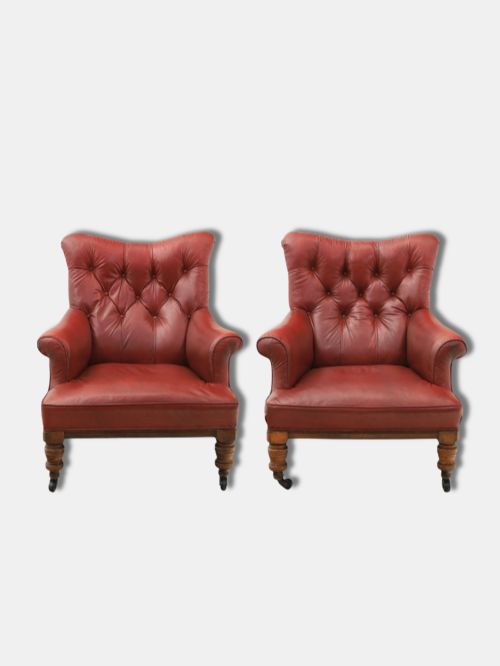
Dating relies on examining the timber species, joinery techniques, and upholstery styling methods. Eighteenth-century pieces often display hand-carved details and heavier proportions, whereas Victorian variants incorporate button backs and turned walnut legs.
Changes in padding materials and secondary woods also provide clear chronological markers. Comparing the structural framing to documented period examples helps confirm the era.
Were Windsor chairs used indoors?
Windsor chairs served as standard domestic seating in kitchens, parlours, and fireside corners throughout English homes. Their sturdy construction made them resilient enough for daily family life.
Regional variations, such as Thames Valley or Lincolnshire Windsors, show how local turners adapted the form for domestic comfort. The carved wooden seats provided durability without requiring heavy upholstery.
How should I care for leather upholstery?
Leather upholstery requires regular dusting with a soft, dry cloth to prevent dirt accumulation. Avoid placing antique leather chairs in direct sunlight or near heat sources to prevent the hide from drying.
Applying a specialist leather conditioner periodically helps maintain suppleness. Professional conservation is recommended for older or fragile finishes.