




English Dressing Glass
An English dressing glass is a tabletop or freestanding mirror designed for the vanity, bringing period timber and clear reflection to the bedroom.
English Dressing Glass
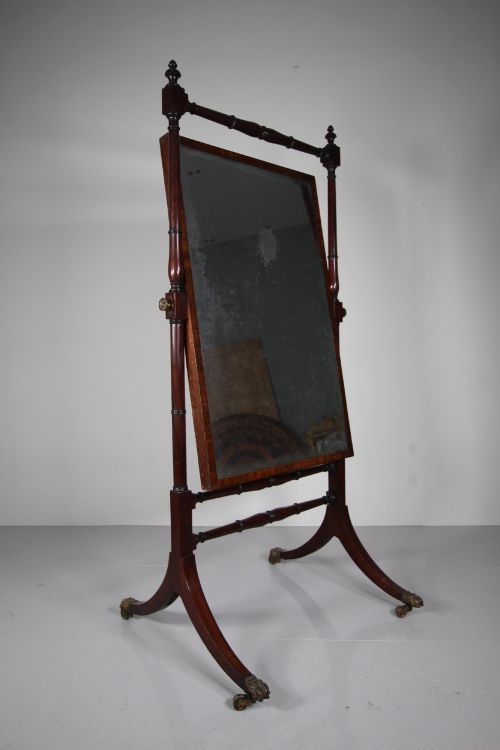
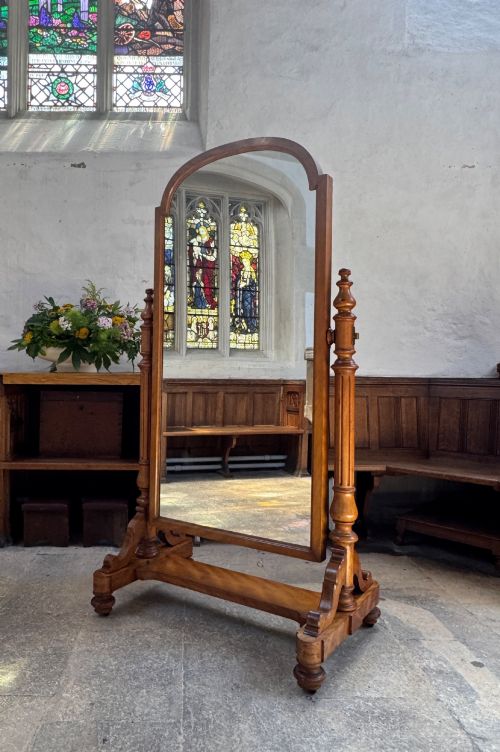
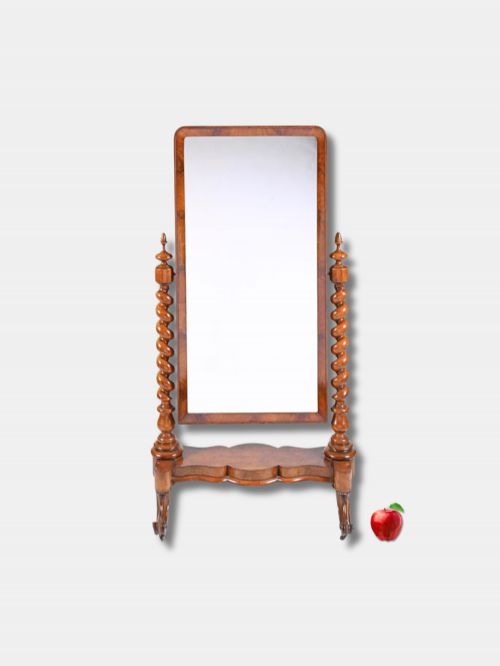
When you search for an english dressing glass, you encounter pieces intended for the bedroom or vanity table, spanning periods from the Regency era through to the Victorian years and into the twentieth century. These objects include smaller tabletop mirrors as well as taller cheval mirrors designed for full-length viewing.
The materials recorded in these pieces encompass mahogany, walnut, satin birch, and satinwood alongside brass fittings and clear mirror glass. Makers constructed these mirrors to sit upon desks or chests, or to stand independently on supporting frames and barley twist columns.
The selection ranges from early nineteenth-century Regency examples to mid-Victorian creations and later twentieth-century interpretations. Each piece reflects the domestic habits of its period, serving practical grooming needs while displaying the cabinetmaker's skill in handling fine woods.
Materials and Construction
Cabinetmakers constructed the frames of an english dressing glass using dense hardwoods such as mahogany, walnut, and satinwood, often selecting veneers with pronounced grain figures. These wooden frames were joined with traditional methods to support the weight of the pivoting glass plate.
Metal components such as brass pivots, arms, and screws allowed the mirror plate to tilt at various angles. Many pieces incorporated secondary softwoods for internal framing and drawer linings within the base boxes.
English Dressing Glass Retail Price Guide 2026
Typical asking prices for english dressing glass among the pieces listed under this phrase on Sellingantiques today, from the lower quarter to the upper quarter. They describe what is for sale here now, not the wider market.
Several dressing glasses arrive paired with silver-collared scent bottles and alligator skin vanity cases, ready for a Victorian journey.
Assessing Quality and Execution
The quality of an english dressing glass depends upon the selection of timber and the precision of the frame joints. Finer examples display carefully matched wood veneers and substantial brass hardware that secures the mirror without sagging.
The condition and clarity of the mirror glass itself, along with the crispness of any turned supports like barley twist columns, distinguish standard production from superior craftsmanship. The proportion between the mirror plate and its supporting uprights dictates the visual balance of the piece.
Henry Perkins·Jonathan Douglas·Barnsley and Co·Adie Brothers Ltd·Mappin and Webb
The English Dressing Glass Glossary
- Cheval mirror
- A large freestanding mirror suspended in a frame that allows it to swing fully on vertical pivots. These tall glasses appeared in bedrooms and dressing rooms for full-length attire checks.
- Satin birch
- A pale, figured timber utilised by nineteenth-century cabinetmakers for bedroom furniture and mirror frames. It offers a golden hue with a distinct chatoyant grain.
- Barley twist
- A decorative turning technique resembling the spirals of a barley stalk, frequently found on the vertical supports of Victorian mirrors. This sculptural detail adds texture to the timber frame.
- Giltwood
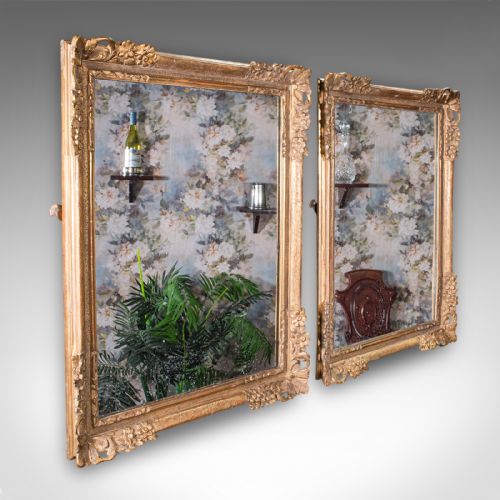
- Wood that has been coated with a thin layer of gold leaf or metallic gilt paint. It is commonly observed on decorative frame mouldings from the Regency and Victorian periods.
- Tabletop mirror
- A smaller glass mounted on a fixed or pivoting frame designed to rest upon a dressing chest or table. These items provided targeted reflection for facial grooming.
English Dressing Glass: Frequently Asked Questions
What is an english dressing glass?
An english dressing glass is a mirror designed for personal grooming, typically featuring a pivoting plate mounted within a wooden frame.
These pieces range from small tabletop versions intended for chests of drawers to tall freestanding cheval mirrors placed directly on the floor.
How do I date an english dressing glass?
Dating relies on identifying the timber species, construction joints, and framing style associated with periods like the Regency or Victorian eras.
Examining the mirror plate itself, the type of brass hardware used for pivoting, and any secondary woods inside base drawers helps narrow down the decade of manufacture.
Where should I place a dressing glass?
These mirrors suit bedrooms, dressing rooms, and hallways where they function as practical grooming tools and decorative focal points.
Tabletop versions require a stable surface like a chest or desk, while cheval mirrors stand independently against a wall.
Did these mirrors serve other uses?
Beyond daily grooming, dressing glasses reflected natural light around period rooms, making smaller chambers appear brighter and more spacious.
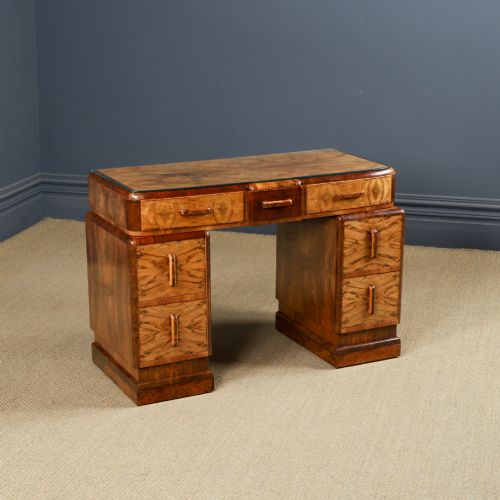
Many tabletop versions incorporated small drawers or boxes in their bases for storing trinkets, cosmetics, and personal items.