





English Davenport
English davenport writing desks and ceramics offer compact workspace and bright ceramic service, prized for sturdy clever cabinetry.
English Davenport
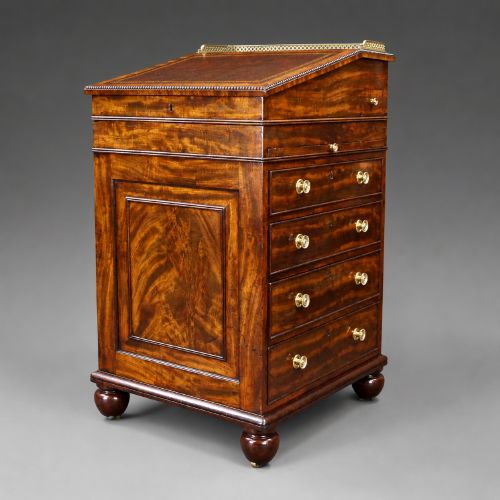
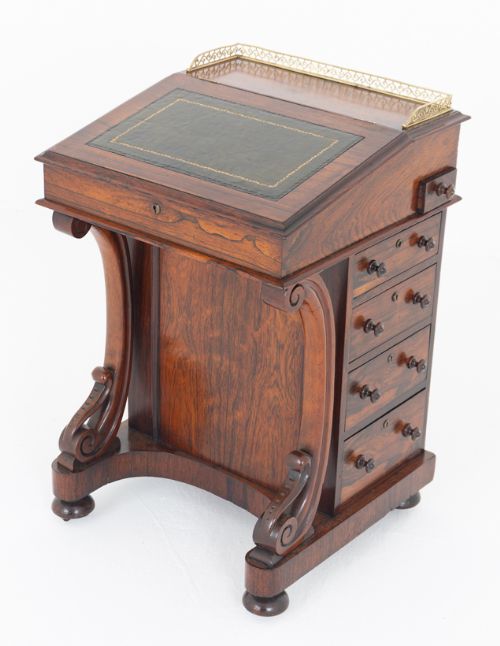
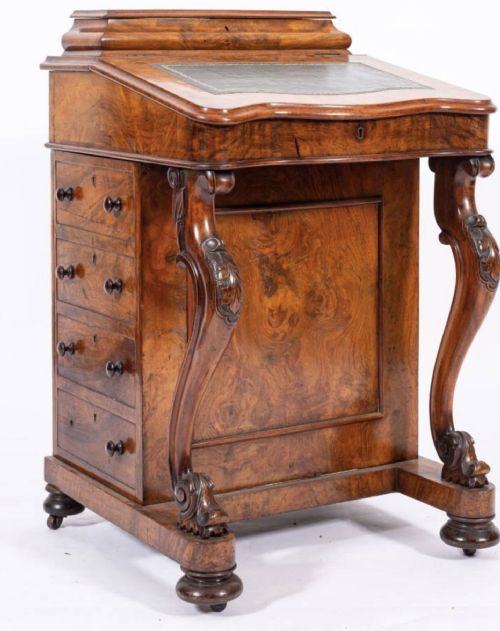
An english davenport groups compact nineteenth century writing desks alongside pottery and porcelain service pieces produced by the Davenport factory. These items span Georgian, Regency, William IV, and Victorian periods, often taking the form of slope fronted writing boxes fitted over pedestals of drawers.
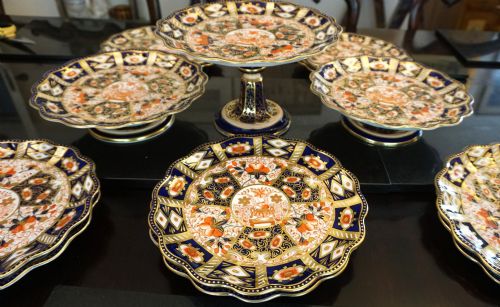
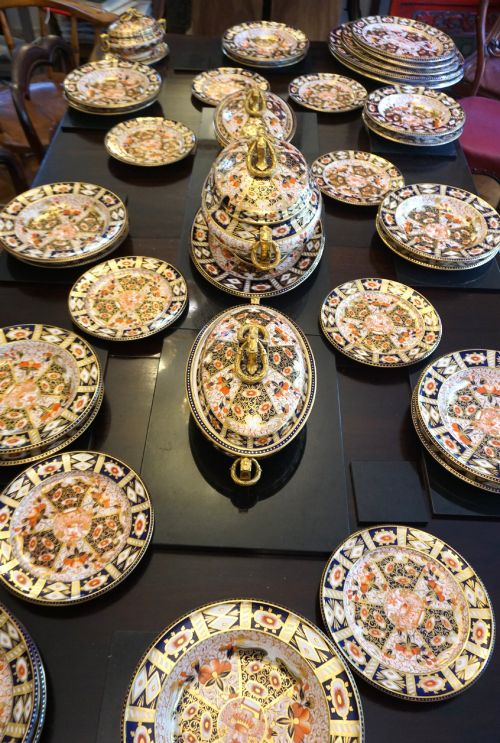
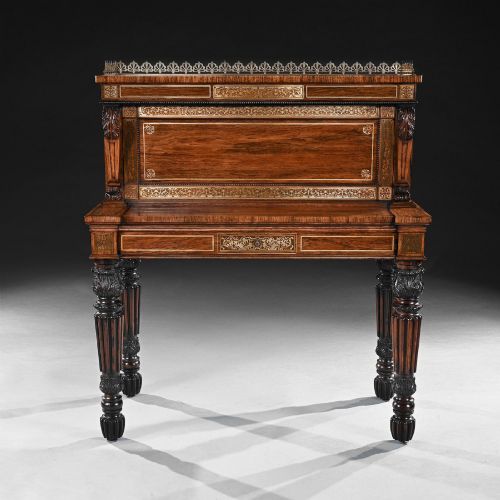
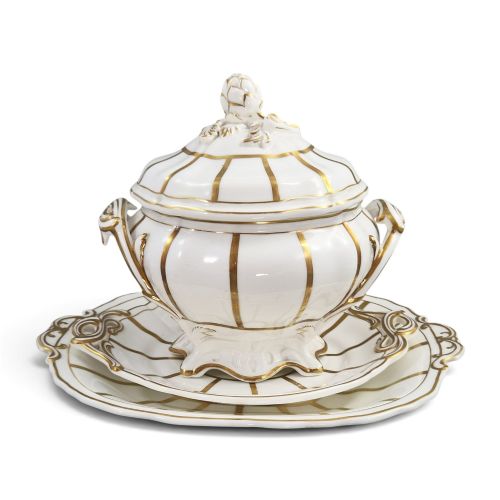
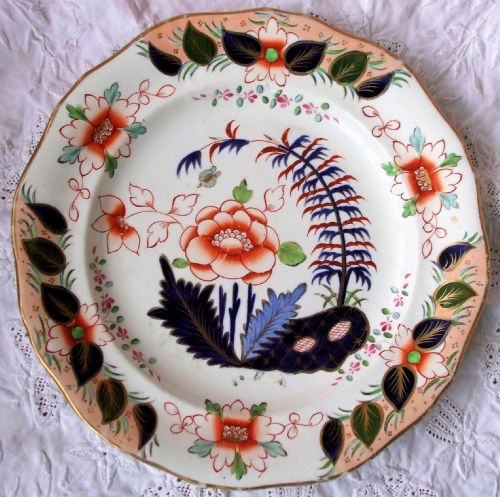
The desks you meet most frequently are mahogany, rosewood, or walnut writing tables incorporating internal stationery compartments and side drawers. Alongside furniture, the ceramic offerings appear as Imari pattern dinner sets, dessert services, ironstone plates, and teacups originating from Longport.
Buyers seek these pieces to furnish period studies with functional writing furniture or to collect transfer printed and hand painted earthenware. The dual nature of the search brings together cabinet work and ceramic manufacture under one heading.
Materials and construction
Cabinetmakers constructed davenport desks using dense hardwoods like mahogany, rosewood, and burr walnut, frequently pairing them with brass inlays and inset leather writing surfaces. Secondary framing utilised solid timbers to support the shifting weight of the sloping desk lid and pedestals.
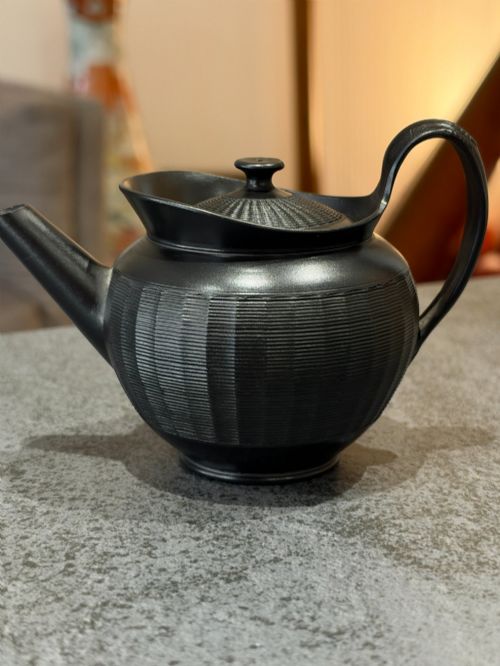
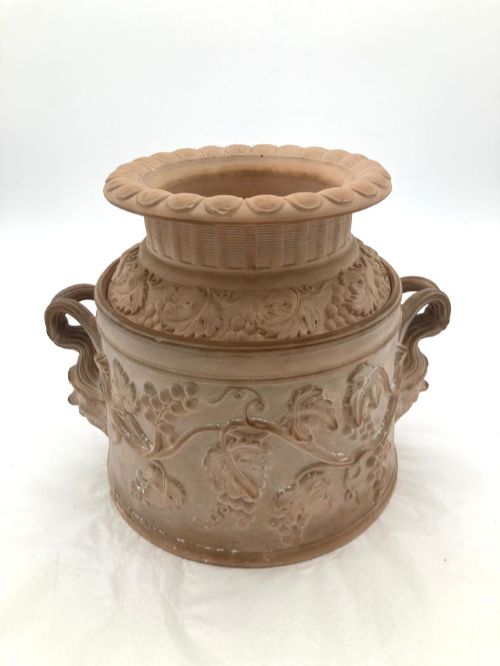
Ceramic pieces relied on porcelain, bone china, and ironstone bodies decorated with enamel colours, gold leaf, and blue and white transfer printing. Kiln workers fired these earthenware and porcelain goods at Longport before applying pattern numbers and registration diamonds.
Joinery techniques combined dovetailed drawer construction with turned wooden knobs, concealed castors, and pivoting stationery boxes. Metal elements such as brass gallery rails and quadrant hinges secured the moving parts of the writing compartment.
English Davenport Retail Price Guide 2026
Typical asking prices for english davenport among the pieces listed under this phrase on Sellingantiques today, from the lower quarter to the upper quarter. They describe what is for sale here now, not the wider market.
Listings combine nineteenth century walnut, mahogany, and rosewood davenport desks with porcelain and ironstone services.
Separating ordinary pieces from the finest examples
Quality rests in the selection of timber figure, such as flame mahogany or burr walnut veneers matched symmetrically across the writing slope and drawer fronts. Superior furniture shows crisp carving on structural elements and tight, flush joinery in the stationery compartments.
In ceramics, the clarity of the transfer print and the precision of the hand painted enamel or gold leaf define the upper tier. Pattern execution and crispness of the impressed factory marks separate standard ironstone plates from exhibition quality table services.
Gillows Oxford Street Workshop·Gillows of Lancaster·John Davenport·A.L. Davenport
The English Davenport Glossary
- Davenport
- A small compact writing desk with a sloped leather lined top, enclosing drawers and stationery space. The form gained popularity during the Georgian and Regency periods.
- Imari
- A decorative ceramic style employing rich iron red, underglaze blue, and gold leaf. The pattern draws inspiration from Japanese export porcelain designs.
- Ironstone
- A heavy, durable type of earthenware patented in the nineteenth century. It resists chipping better than standard porcelain while accepting transfer printed decoration easily.
- Longport
- A Staffordshire town where John Davenport established his pottery works in the late eighteenth century. The factory produced extensive bone china, earthenware, and stone china services.
- Registration diamond
- A British statutory mark stamped into ceramics or metalwork indicating the exact date a design was officially registered. It helps date pieces accurately to specific months and years.
English Davenport: Frequently Asked Questions
What is an english davenport desk?
An english davenport is a small writing desk featuring a sloped upper writing surface that typically lifts or slides. Beneath this slope sits a pedestal of small drawers, often accompanied by side compartments for ink and pens.
These desks were designed for domestic use in drawing rooms or bedrooms where space was limited. Their clever internal compartments kept writing materials organised within a remarkably small footprint.
How were davenport ceramics decorated?
Davenport ceramics received decoration through blue and white transfer printing, hand painting, and rich enamel gilding. Factory workers applied intricate patterns like Imari designs and blue and white pastoral scenes onto ironstone and bone china bodies.
Many pieces feature hand applied gold leaf highlights and delicate floral motifs. Impressed marks and pattern numbers on the base help identify their production period.
Where should I place a davenport desk?
A davenport desk suits small studies, living rooms, or bedrooms where a full sized partners desk would overwhelm the space. Because many examples feature finished backs and pedestals, they can sit freestanding in the middle of a room.
Ensure the leather writing surface stays out of direct sunlight to prevent fading. The internal stationery wells provide convenient storage for modern writing materials or stationery.
How do I identify a regency davenport?
Regency davenports display characteristic classical proportions, dark mahogany or rosewood timbers, and restrained brass mounts. They often incorporate pull out pen drawers and writing slides on the sides of the pedestal.
Turned or reeded legs frequently support the front corners, sometimes concealing brass castors. The overall construction prioritises clean architectural lines over heavy Victorian carving.