


English Countryside Wall Painting
These English countryside wall paintings capture rural life, quiet rivers, and open fields through nineteenth and twentieth-century brushwork.
English Countryside Wall Painting
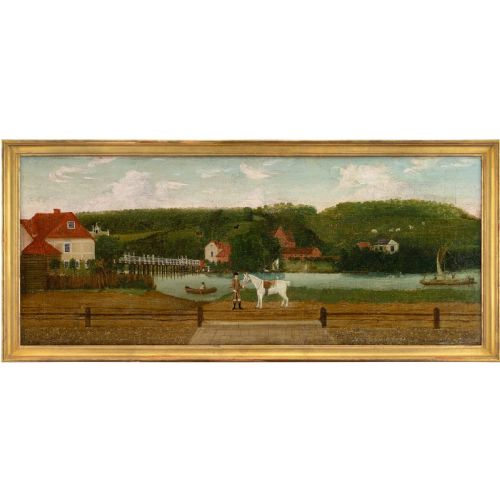
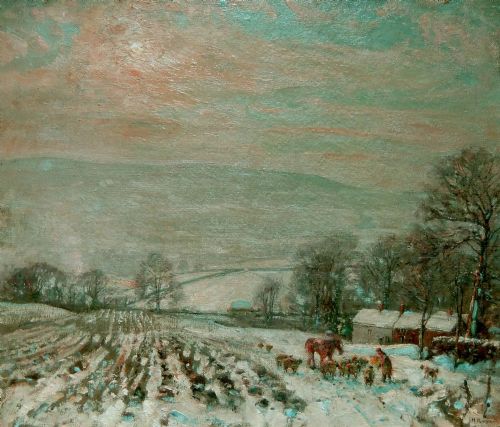
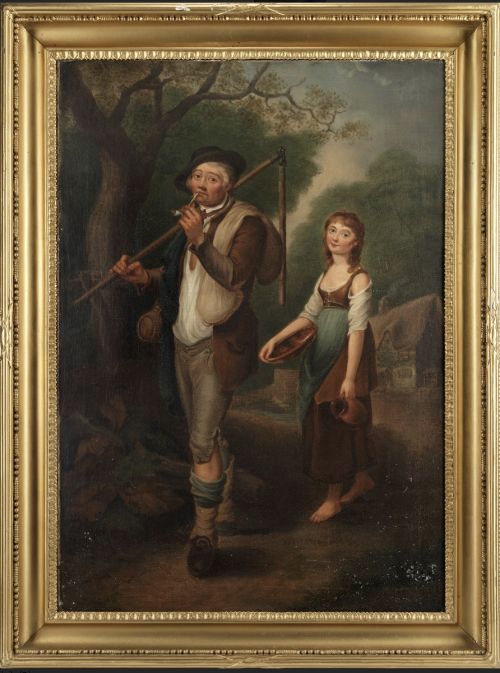
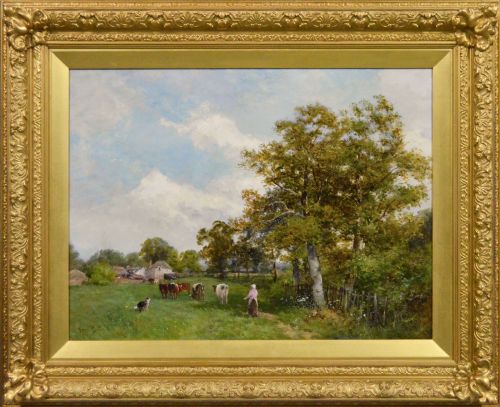
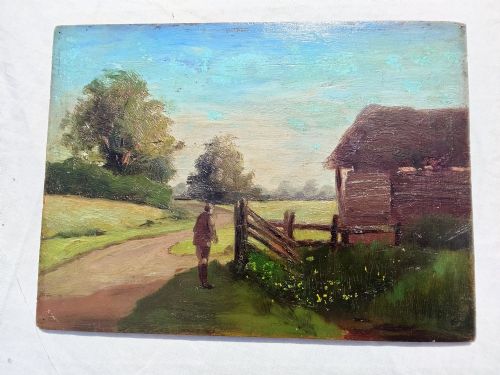
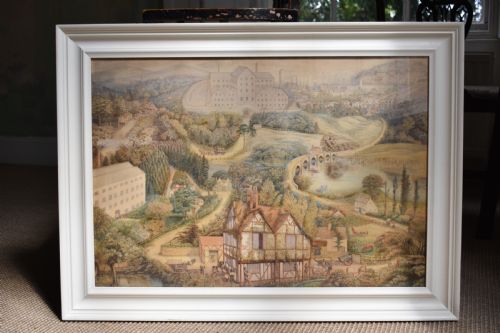
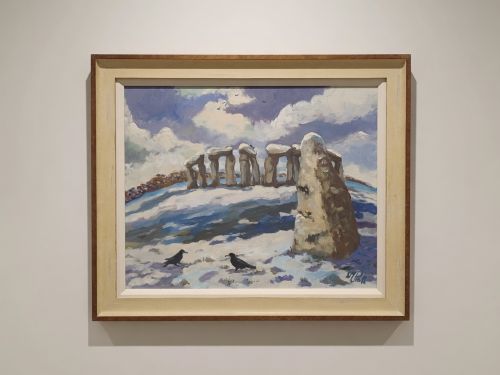
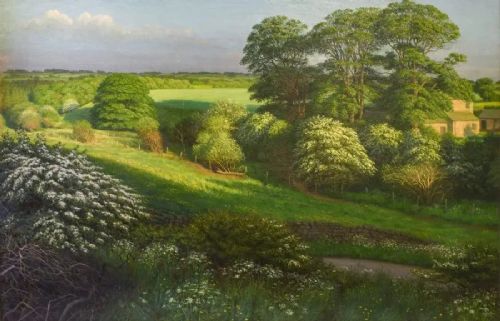
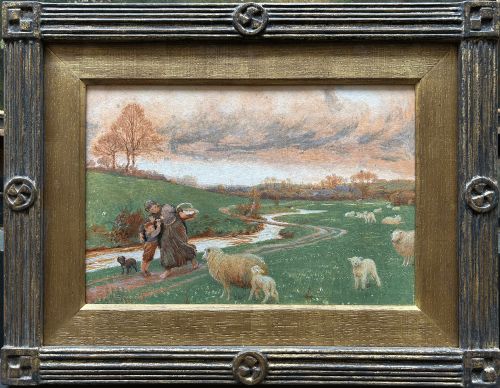
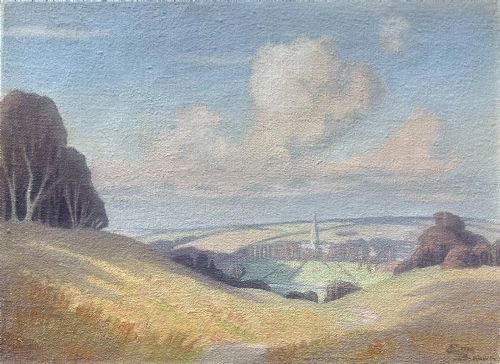
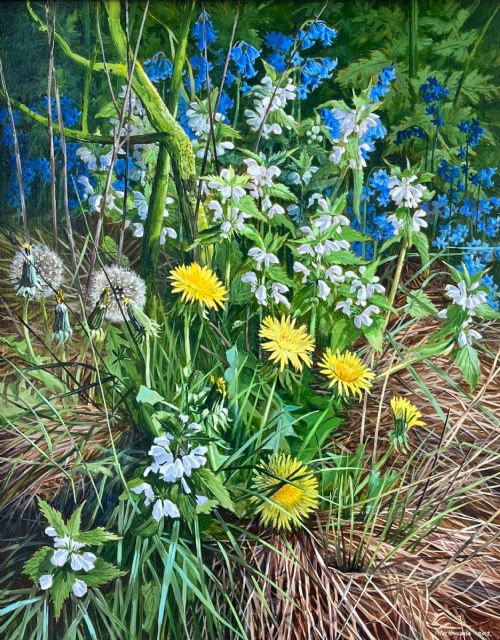
An english countryside wall painting depicts rural scenes, agricultural life, and pastoral views across England, ranging from nineteenth-century pastorals to mid-twentieth-century watercolours. The selections here heavily feature traditional oil paintings on canvas or wood panel alongside framed watercolours capturing rivers, cottages, and livestock.
Buyers encounter works produced by regional British artists working within distinct movements like British Impressionism and the broader English School. These pieces often document specific locations, from Dorset hills and Yorkshire valleys down to the banks of local rivers.
Materials and Technique
Artists relied primarily on oil paint applied to canvas, stretched wooden panels, or heavy paper, utilising brushes and palette knives to build texture. Watercolours on paper appear frequently, often secured behind protective glass within traditional timber frames.
Many works incorporate moulded gesso and gold leaf detailing upon wooden frames, anchoring the paintings in their respective Victorian, Edwardian, or later periods through framing conventions.
Several canvases faithfully record sheep traffic jams on rural lanes long before modern tarmac reached the valleys.
Assessing the Work
Quality rests upon the artist's handling of light, atmosphere, and spatial depth, where confident brushwork distinguishes master studies from routine regional production. Stronger compositions capture specific seasonal light and topographical accuracy rather than relying on generic formulas.
The condition of the pigment and the originality of the mounting surface dictate longevity, with unrestored oil canvases and well-preserved watercolours holding superior visual clarity. Original period frames that complement the painting without replacement or heavy alteration elevate the integrity of the piece.
Herbert Royle·David Bates·Florence Adelina Hess·Hubert Wellington·Alfred George Morgan·Edgar Woollatt·Joseph Edward Hennah·Charles Walter Simpson·Helen Layfield Bradley·Henry Charles Fox·John Sanderson Wells·Reginald Grange Brundrit·George Graham·Arthur Tucker·William Sydney Cooper·Owen Bowen·Sidney Richard Percy·Robert John Hammond·Henry Bailey
The English Countryside Wall Painting Glossary
- Gesso
- A plaster-like material applied to wooden frames as a smooth base before gilding or painting. It allows intricate decorative moulding.
- Giltwood
- Wood that has been coated with thin gold leaf or gold paint. This finish frequently characterises nineteenth-century frames.
- Watercolour
- A paint consisting of pigment suspended in a water-based solution, typically applied to paper. It yields transparent washes of colour.
- Impasto
- Paint applied thickly to a canvas, standing visibly above the surface. This technique adds tactile dimension to foliage and water.
- British Impressionism
- A late nineteenth and early twentieth-century painting style focusing on everyday scenes and natural light. Artists worked with loose brushstrokes outdoors.
English Countryside Wall Painting: Frequently Asked Questions
How do I hang a heavy oil painting safely?
Secure the frame using wall anchors rated for the combined weight of the canvas and wooden structure. Hang the piece from picture rail mouldings or directly into wall studs using braided steel wire.
Keep paintings away from direct sunlight and heat sources to prevent the canvas from warping and the oil paint from cracking over decades.
Can I clean the glass on antique watercolours?
Wipe the exterior glass gently with a soft cloth dampened with a mild glass cleaner. Avoid spraying liquid directly onto the frame, as moisture can seep beneath the glass and ruin the paper.
Inspect the back seals periodically to ensure dust and insects cannot reach the watercolour surface stored within the frame.
How do I distinguish an oil painting from a watercolour?
Oil paint sits with visible texture and thickness upon the canvas or wooden panel surface. Watercolours absorb into paper fibres, presenting a flat, translucent finish usually displayed behind glass.
Examine the surface under oblique light to see if brushstrokes cast shadows, which points immediately toward oil or acrylic mediums.
What indicates an original period frame?
Period frames display corner shrinkage, minor losses to gesso mouldings, and stable layers of aged patina matching the era of the canvas. Modern replacement backing boards or clean, unaged joining pins suggest later reframing.
Check for maker stamps or handwritten inscriptions on the wooden stretcher bars that often correspond to nineteenth or early twentieth-century framers.