



English Country Upholstered Stool
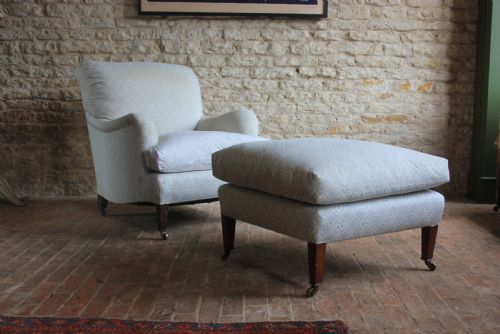
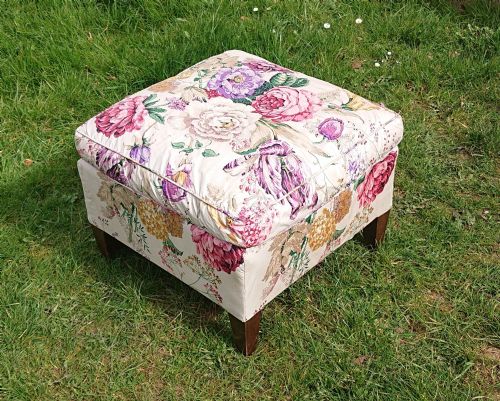
An english country upholstered stool brings warmth and tactile comfort to a room, offering low seating or a place to rest tired feet.
English Country Upholstered Stool
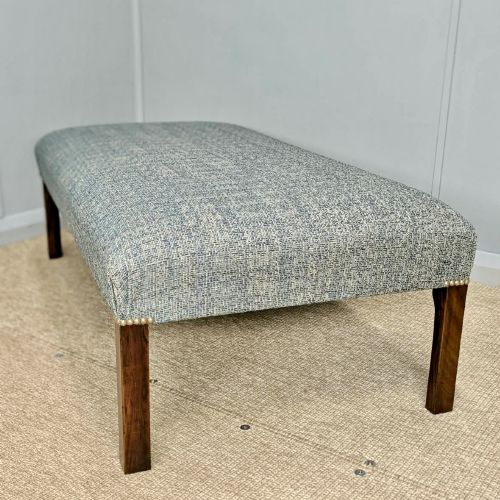
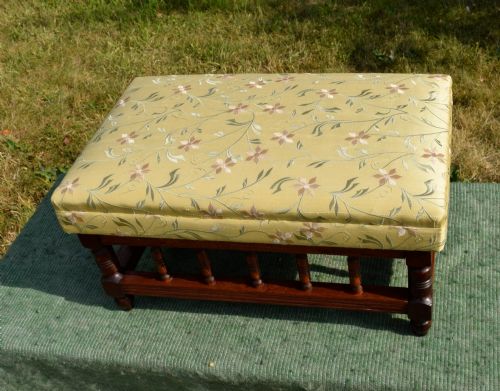
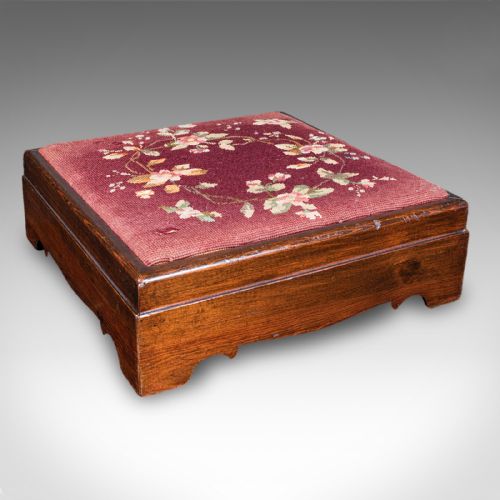
An english country upholstered stool takes various forms, appearing as simple footstools, cushion top footstools, long stools, and dressing stools. These pieces serve practical purposes near firesides and dressing tables, functioning as both footrests and low seats.
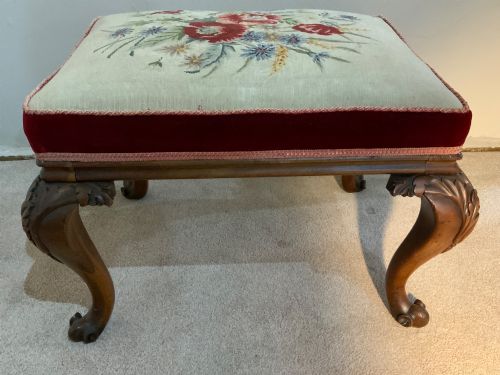
The pieces on this page span the nineteenth century and the early twentieth century, drawing on Victorian, Edwardian, and traditional English sensibilities. You will encounter styles ranging from plain utilitarian frames to revival pieces with ball and claw details.
Makers such as Howard and Sons set a high standard for comfort and build, influencing later workshop traditions. Many examples reflect this legacy through generous proportions and supportive cushion tops.
How they were made
Cabinetmakers constructed the wooden frames of an english country upholstered stool using timbers like mahogany, pitch pine, and yew wood. These dense woods provided sturdy foundations capable of withstanding daily domestic use.
Upholsters layered traditional stuffing materials beneath outer coverings of tapestry, fabric, leather, velvet, and wool. Brass tacks frequently secured the edges of the upholstery, adding functional and decorative detail to the wooden underframe.
English Country Upholstered Stool Retail Price Guide 2026
Typical asking prices for english country upholstered stool among the pieces listed under this phrase on Sellingantiques today, from the lower quarter to the upper quarter. They describe what is for sale here now, not the wider market.
What varies in quality
Quality rests significantly in the integrity of the timber frame and the skill of the original joinery. Substantial hardwoods like mahogany and yew wood indicate better construction than simpler utility timbers.
The character and durability of the upholstery materials set individual pieces apart. Finer textiles, rich leather, and tightly woven tapestry coverings distinguish higher tier examples from standard utilitarian stools.
Howard and Sons
The English Country Upholstered Stool Glossary
- Pitch pine
- A durable softwood native to North America, often utilised for sturdy domestic furniture frames during the nineteenth century. It possesses a distinctive resinous grain.
- Tapestry
- A form of heavy textile art woven on a loom, frequently chosen for upholstery to introduce intricate patterns and rich texture to seating furniture.
- Ball and claw
- A decorative furniture foot carved to resemble a bird's talon grasping a ball, popular in traditional and revival furniture styles.
- Fireside stool
- A low stool designed specifically to sit close to an open hearth, keeping the user warm and comfortable near the fire.
- Dressing stool
- A small seat designed to be used in conjunction with a dressing table, usually featuring an upholstered top for comfort during grooming.
English Country Upholstered Stool: Frequently Asked Questions
Where were these stools used?
These stools typically found places beside firesides, in bedrooms near dressing tables, or as supplementary footrests in reception rooms. Their modest scale allowed them to move easily about the home.
They provided practical utility wherever extra low seating or comfort was required by the hearth.
What materials are most common?
Mahogany and pitch pine form the structural basis for most frames, providing reliable strength for daily use. Yew wood also appears in specific traditional pieces.
Upholstery materials vary widely, ranging from simple fabric and wool to leather, velvet, and tapestry.
How should I care for the upholstery?
Maintain the fabric or leather coverings by gentle dusting and avoiding direct exposure to strong sunlight which can fade natural textiles. Leather benefits from appropriate conditioning to prevent drying.
Inspect the brass tacks and frame joints periodically to ensure the structure remains firm and stable.