





English Country Hall Seat
An English country hall seat grounds an entrance space with honest timber construction and regional character.
English Country Hall Seat
The term english country hall seat covers sturdy wooden benches, settles, and side chairs placed in domestic entranceways and hallways. Buyers searching this phrase encounter robust seating forms designed for daily use rather than formal display.
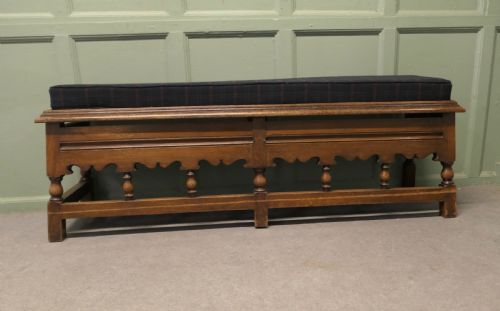
The pieces listed here span several centuries, reaching from the seventeenth century through the Georgian and Victorian eras up to nineteen twenty. Oak and elm predominate, shaping settles with enclosed lower compartments and high-backed benches suited to draughty corridors.
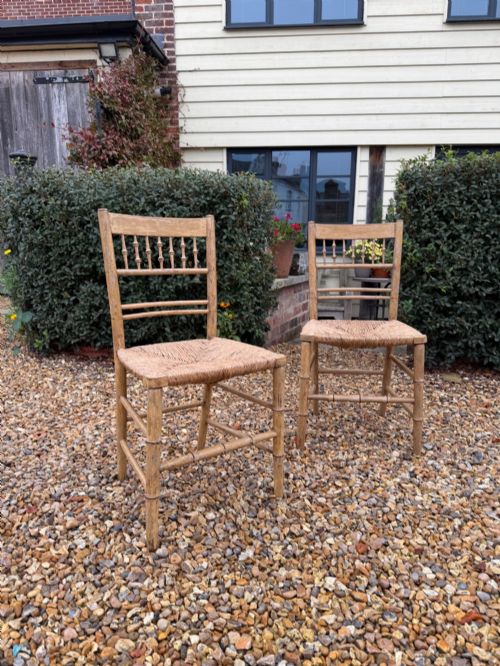
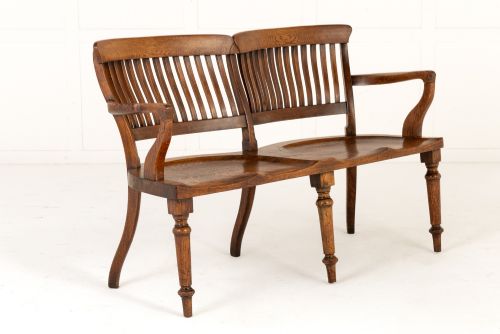
Simpler side chairs and dual-backed settees also appear frequently within this category, often displaying regional vernacular styling. Their presence reflects the practical demands of historic hallways where footwear and outer garments were managed.
Materials and Construction
Construction relies heavily on native timbers such as solid oak and elm, selected for their durability and strength. Joinery techniques prioritize structural integrity, utilising pegged mortise and tenon joints to withstand heavy domestic traffic.
Surface treatments vary from untreated aged timber to historic painted finishes that protect the wood. Seating surfaces occasionally incorporate rush or wool upholstery alongside plain wooden planks, reflecting local craft traditions.
English Country Hall Seat Retail Price Guide 2026
Typical asking prices for english country hall seat among the pieces listed under this phrase on Sellingantiques today, from the lower quarter to the upper quarter. They describe what is for sale here now, not the wider market.
Current listings feature oak and elm across periods from the seventeenth century to nineteen twenty.
Assessing Quality and Character
Quality rests upon the purity of the timber and the integrity of the original construction. Pieces retain greater appeal when they show honest patination and minimal structural intervention from later periods.
Proportion and regional vernacular detail dictate distinction within the category. Subtle variations in backrest carving or timber grain separate standard utility seating from finer country examples.
The English Country Hall Seat Glossary
- Settle
- A wooden bench with a high back, solid arms, and often a storage box beneath the seat. This form protected occupants from cold draughts in historic hallways.
- Vernacular
- Regional furniture built by local craftsmen using traditional methods and native materials. These pieces prioritize utility and local style over academic architectural rules.
- Box settle
- A variation featuring an enclosed compartment under the seat accessed via a hinged lid. This design provided secure storage for boots and textiles in an entrance hall.
- Shield back
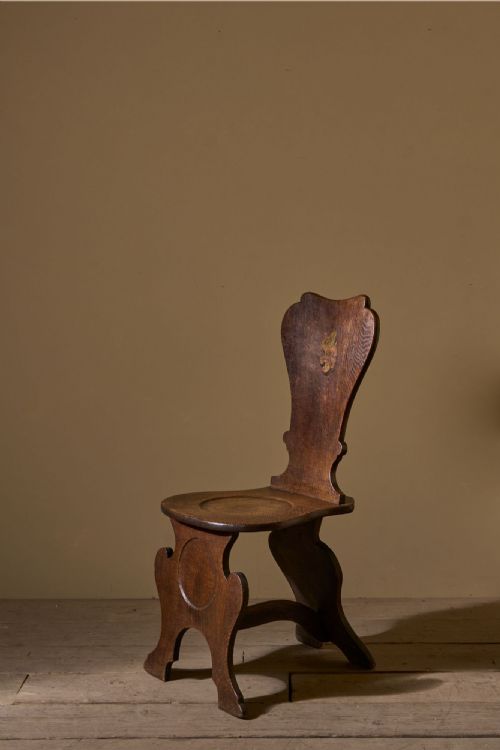
- A chair back shaped in the outline of a heraldic shield, popular during the eighteenth century. This decorative geometry lifts simple hall seating toward a more formal aesthetic.
English Country Hall Seat: Frequently Asked Questions
What is an English country hall seat?
An English country hall seat is a sturdy wooden bench, settle, or chair designed for placement in a hallway or entrance space. These pieces utilise native timbers like oak and elm to provide durable seating for daily domestic use.
They reflect regional craftsmanship across several centuries, ranging from plain vernacular forms to more decorative Georgian and Victorian iterations. Their primary purpose was practical support in the busiest parts of the home.
How were settles used in historic homes?
Settles provided functional seating near entranceways while shielding occupants from cold draughts thanks to their high wooden backs and solid arms. Many examples incorporated integrated box storage beneath the seat for boots and garments.
This combination of seating and concealment made them central items in country hallways and reception areas. Their heavy wooden construction ensured they withstood constant foot traffic.
What woods are commonly found in these seats?
Oak and elm form the foundation of most English country seating, chosen for their dense grain and structural resilience. Elm offers particular flexibility for shaped seats, while oak provides rigid framing.
Secondary materials such as beech, rush, and painted finishes also appear across different regional traditions. These native woods develop deep patination through centuries of handling and exposure.
How do I identify a 17th century piece?
Seventeenth-century pieces typically display heavy oak construction with pegged joinery and simpler, rectilinear lines. Details often include panelled backs and substantial structural members built for maximum longevity.
Comparing the timber shrinkage, tool marks, and overall framing against known period examples helps clarify the date. The absence of later machine-cut elements confirms early hand-tool manufacture.