




English Country Display Cabinet
An English country display cabinet brings honest provincial character and practical storage to a room through traditional regional timber and glazed framing.

English Country Display Cabinet
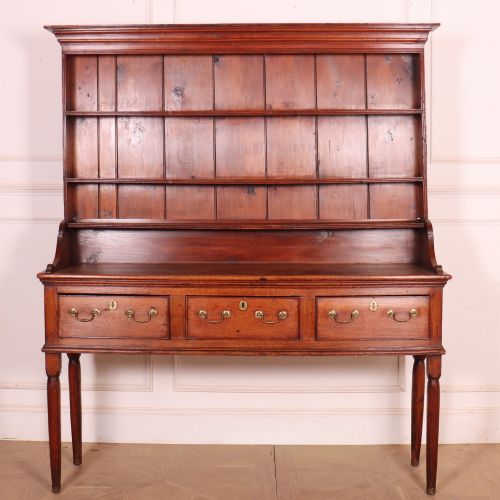
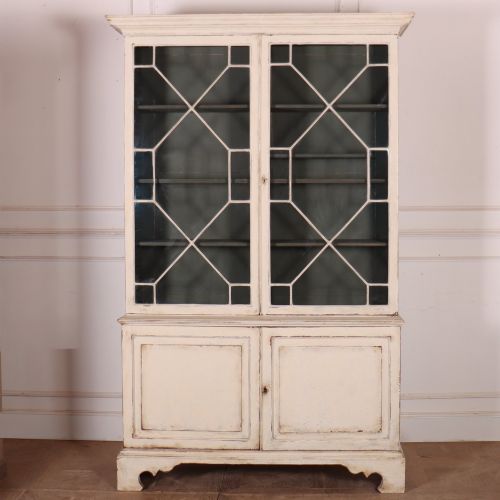
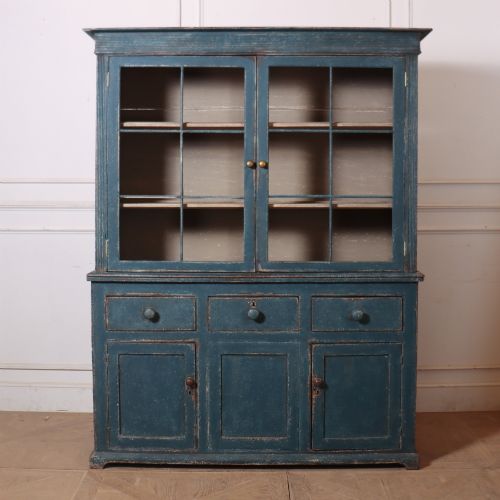
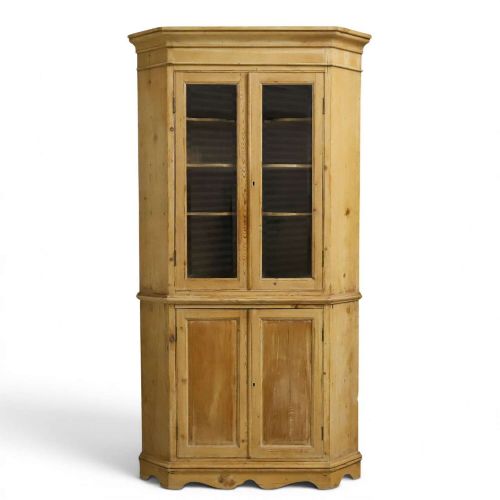
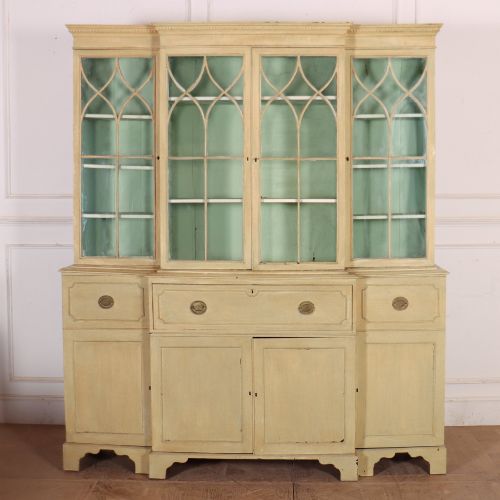
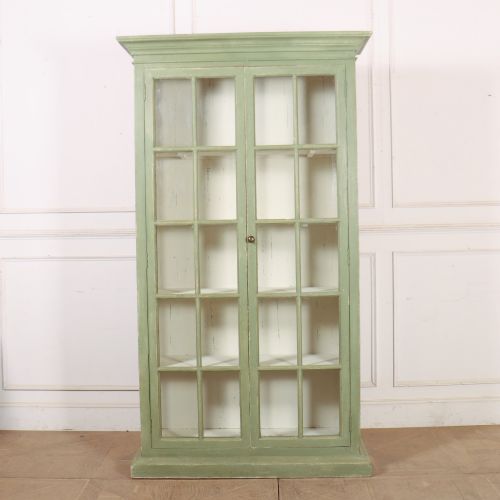
An english country display cabinet takes many practical regional forms across the eighteenth and nineteenth centuries, encompassing kitchen dressers, corner cupboards, and glazed bookcases. These provincial pieces bridge the gap between utilitarian storage and domestic display, often featuring glass doors or open racks designed to showcase household contents.
Buyers meet sturdy examples fashioned from native woods such as oak, pine, and mahogany, frequently carrying original painted finishes or simpler country house styling. The selection ranges from compact wall-hanging cupboards to substantial breakfront bookcases and two-part kitchen dressers originating from West Country workshops.
The aesthetic leans firmly toward functional utility rather than urban formality, drawing on Georgian and Victorian country traditions. Pieces embody the practical requirements of English rural households, maintaining regional traits through local timber choices and straightforward structural forms.
What varies in quality
The distinction between standard provincial items and finer examples rests upon the preservation of original painted surfaces and the integrity of the timber. Untouched patination on pine or oak distinguishes pieces that retain their historic character from those altered by modern intervention.
Proportion and architectural detail also elevate certain items, such as the refined glazing bars on a bookcase or the balanced scale of a breakfront dresser. Superior construction is evident in heavier brass fixings, well-fitted two-part joints, and crisply executed crossbanding.
An eighteenth-century hanging cupboard shares space with a gun cabinet in the Romanesque manner.
The English Country Display Cabinet Glossary
- Crossbanding
- A decorative border technique where strips of veneer are laid across the grain of the primary wood. This method frames the central panels of doors or drawers on finer cabinets.
- Breakfront
- A cabinet design where the central section projects forward from the flanking wings. This architectural arrangement creates depth and visual interest across larger bookcases and dressers.
- Glazing bar
- A narrow wooden strip that holds individual panes of glass within a door frame. These bars form a grid pattern typical of eighteenth and nineteenth-century display furniture.
- Two-part form
- A piece of furniture constructed in upper and lower sections that separate for transport. This practical design facilitates the movement of tall bookcases and kitchen dressers.
- Patina
- The surface sheen and colour acquired by wood and paint through age and use. A desirable patination reflects the genuine history of a provincial cupboard.
English Country Display Cabinet: Frequently Asked Questions
What is an English country display cabinet?
It is a utilitarian storage piece, such as a glazed bookcase, corner cupboard, or dresser, made in regional workshops using native woods.
These items combine practical domestic storage with glass-fronted display areas suited to country interiors.
How do I date a country cabinet?
Dating relies on examining the timber species, construction methods, hardware, and stylistic traits like Georgian proportions or Victorian Gothic influences.
Original paint layers and construction joints also offer clear indicators of eighteenth or nineteenth-century origins.
Where were these cabinets made?
They originated in provincial workshops across England, with specific regional examples noted in the West Country.
Local cabinet makers utilised readily available timbers such as oak, pine, and walnut native to their specific districts.
How should I care for an antique painted finish?
Keep painted and polished surfaces away from direct sunlight and fluctuating humidity to prevent timber movement and paint flaking.
Dust gently with a dry cloth and avoid modern chemical cleaners that might strip the historic surface.