
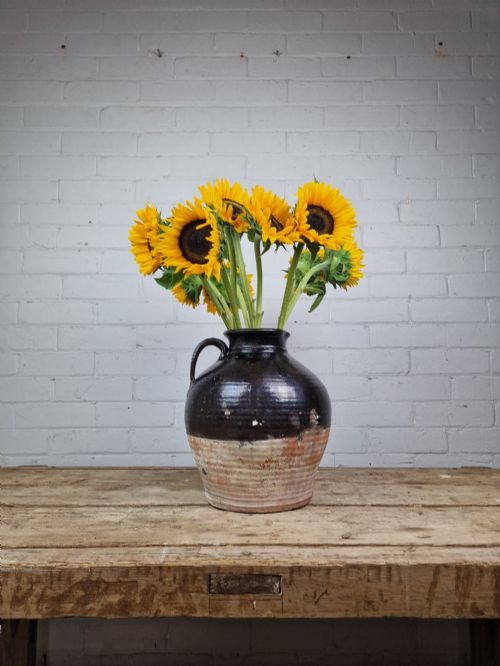


English Country Ceramic House
These English country ceramic house pieces and related Staffordshire models bring the charm of historic rural architecture and folk figures into your rooms.
English Country Ceramic House
When you search for an English country ceramic house, you encounter traditional Staffordshire models and earthenware cottages that capture domestic rural architecture. These decorative ornaments range from Victorian Staffordshire examples to Georgian porcelain bough pots and earthenware vessels.
The selection here includes Staffordshire figures of Scottish lairds, transfer-printed tea plates depicting historic halls, and agateware double spouted teapots. Alongside these ceramic forms, the listings feature watercolour paintings of flowers in jugs from later periods.
How they were made
Potters shaped these earthenware, porcelain, and terracotta objects using traditional moulding and throwing techniques before applying hand-painted or transfer-printed decoration. Glaze seals the porous clay bodies, whilst occasional highlights of gold leaf add refined detail to porcelain vases and bough pots.
The watercolour paintings utilise paper supports and wet media to record botanical subjects, complementing the sculpted clay items through domestic imagery.
Even a quiet corner of a Staffordshire cottage can conceal a pastille burner hiding fragrant smoke within its ceramic chimney.
What varies in quality
Quality rests upon the crispness of the moulded architectural details and the precision of the hand-painting or transfer printing. Fine examples display careful control over the glaze and vibrant pigments that remain clear and bright.
Early porcelain bough pots and Regency vases show superior refinement in their paste and form compared to simpler earthenware jugs, reflecting the skill of the original factory.
Marion Broom·Amy Reeve-Fowkes
The English Country Ceramic House Glossary
- Staffordshire
- A term for pottery produced in the Staffordshire potteries, encompassing popular figures and cottages. These earthenware pieces formed a staple of nineteenth-century domestic mantelpieces.
- Bough pot
- A vessel designed to hold cut branches or flowers for interior decoration. Georgian examples often feature pierced covers to keep stems upright.
- Agateware
- Pottery made from blended clays of different colours to produce a marbled effect resembling natural stone. This technique requires precise control during firing.
- Transfer printing
- A method of applying detailed designs to ceramics using an engraved copper plate and tissue paper. It allowed complex topographical views, such as country houses, to be reproduced consistently.
- Earthenware
- Porous pottery fired at lower temperatures than porcelain. It is typically glazed to ensure it holds liquids.
English Country Ceramic House: Frequently Asked Questions
What is an English country ceramic house?
These decorative ornaments are Staffordshire pottery models shaped like historic rural cottages and buildings. They reflect nineteenth-century domestic tastes and traditional rural architecture.
Potters moulded and painted these pieces to serve as mantelpiece decorations and decorative ornaments in period homes.
How were Staffordshire cottages used?
Staffordshire ceramic houses served purely as decorative ornaments for display on mantelpieces, side tables, and shelves in nineteenth-century homes. Some variations included removable roofs or functioned as pastille burners for scenting rooms.
They brought miniature representations of rural architecture into urban and country parlours alike.
How do I date a ceramic house?
Dating relies on stylistic clues, the type of clay body, and the characteristics of the glaze. Victorian examples often show distinct moulding styles and earthenware bodies compared to earlier Georgian wares.
Examining the base and any transfer-printed marks helps place the piece within the nineteenth or early twentieth century.
How do I care for antique ceramics?
Keep these pieces out of direct sunlight to protect hand-painted and transfer-printed decoration from fading. Dust them gently with a dry, soft brush rather than using water or cleaning agents.
Display them on stable surfaces away from high-traffic areas to prevent accidental knocks.