

English Country Accent Chair
An English country accent chair brings domestic vernacular warmth to a room, spanning Windsor forms, ladderbacks, and robust local timbers.
English Country Accent Chair
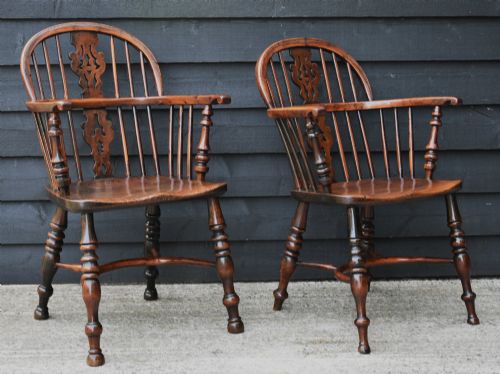
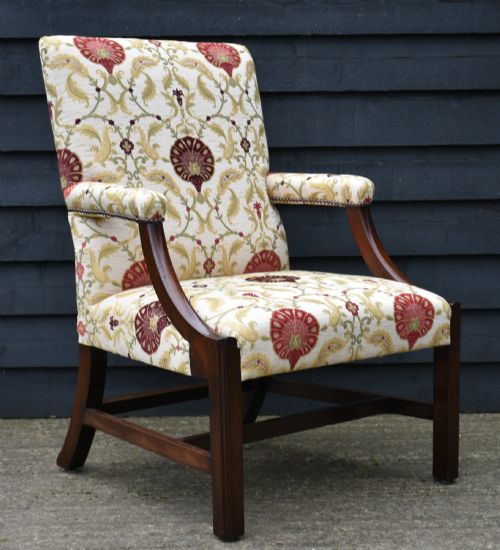
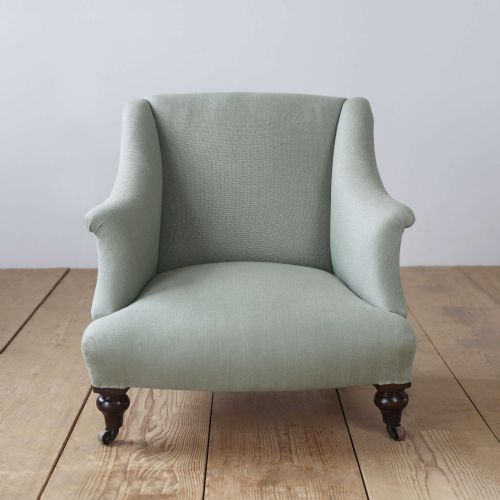
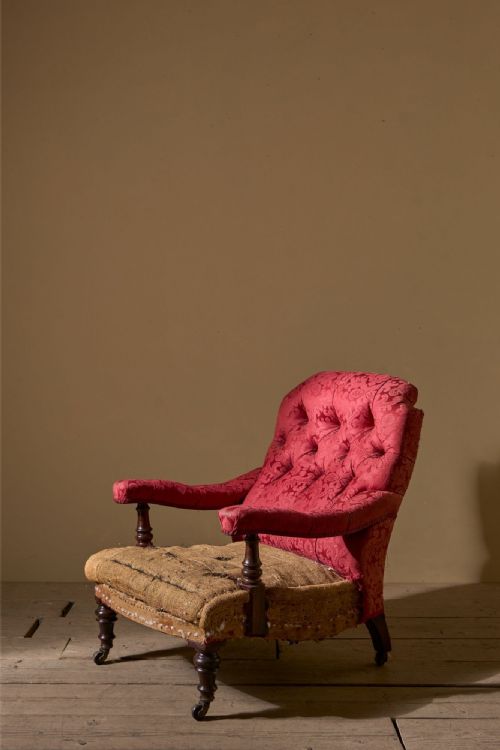
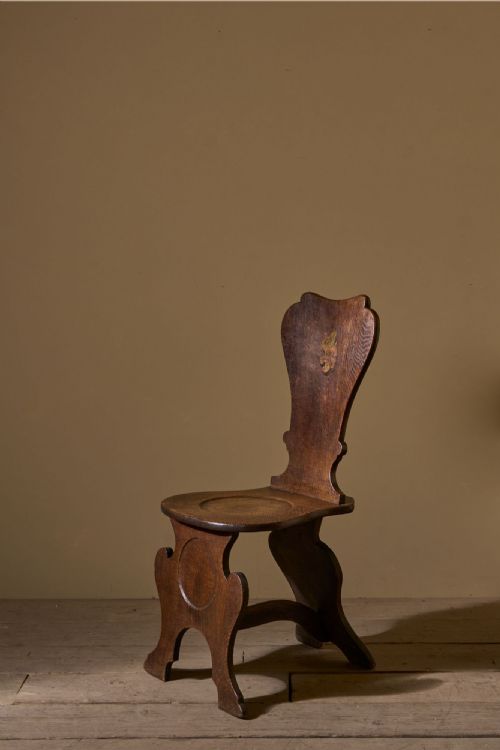
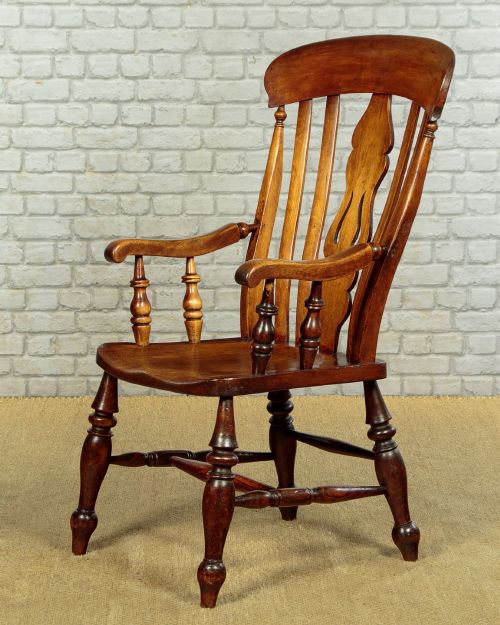
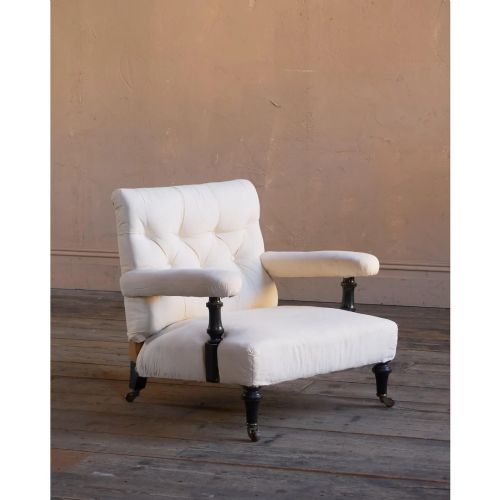
An english country accent chair is a domestic seat shaped by local regional traditions, moving from sturdy kitchen armchairs to refined vernacular library models. The pieces gathered here draw heavily on the 18th century, Victorian era, and 19th century.
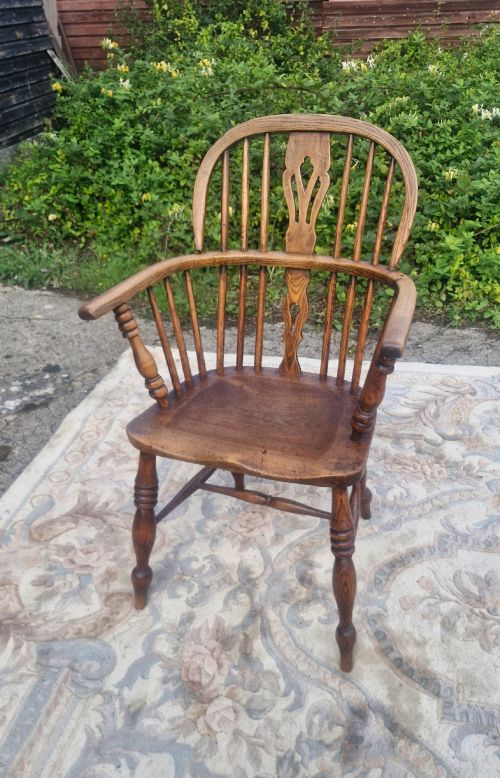
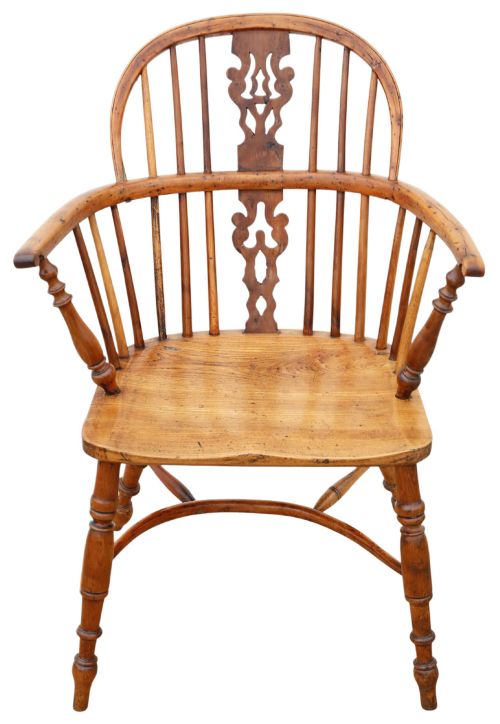
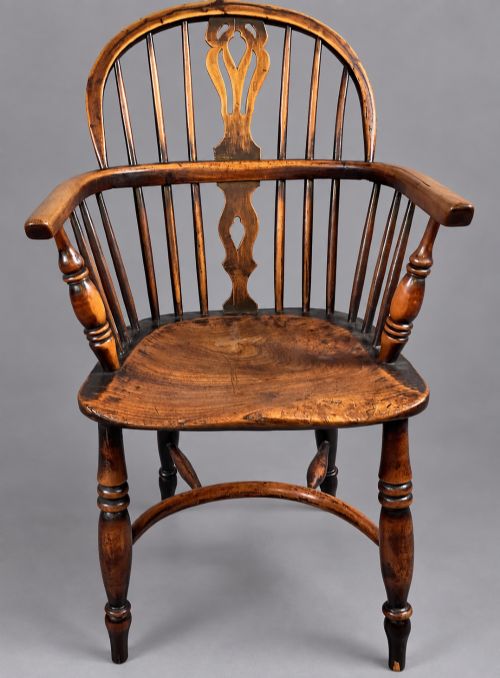
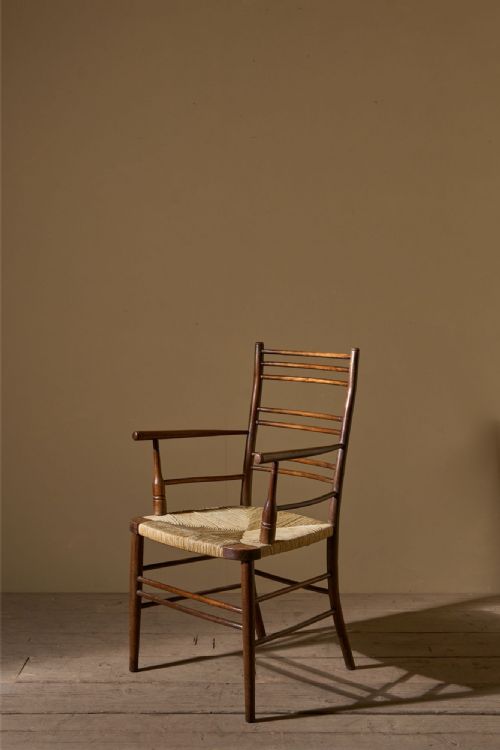
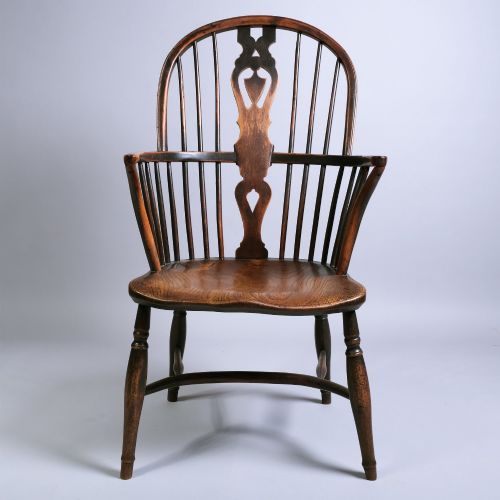
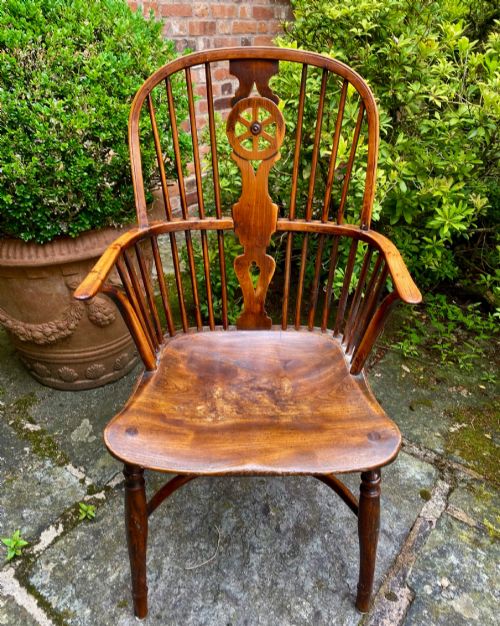
You will frequently meet Windsor variations combining yew, elm, and ash alongside ladderback and open armchair forms. These chairs serve as functional seating that introduces character and organic shape into contemporary interiors.
How they were made
Maker workshops relied upon indigenous timbers like elm for seats, ash for bent parts, and yew or beech for spindles and arms. These native woods were chosen for their grain, tensile strength, and local availability.
Construction techniques balanced rigid mortise and tenon joints with steam bending for hoops and bows. Rush, cane, and upholstery fabrics were later added to seats and frames for comfort.
English Country Accent Chair Retail Price Guide 2026
Typical asking prices for english country accent chair among the pieces listed under this phrase on Sellingantiques today, from the lower quarter to the upper quarter. They describe what is for sale here now, not the wider market.
Listings feature periods spanning from the 18th century through to the 1930s, utilising elm, ash, yew, beech, and mahogany.
What varies in quality
Quality rests in the select choice of timber grains, particularly the figuring found in yew wood and elm seats. Superior pieces maintain their original surface patination and structural integrity without excessive timber replacement.
Refined turning on spindles and well-proportioned saddle seats distinguish master vernacular work from simpler provincial output.
Howard and Sons·Mellier and Co·Fred Walker
The English Country Accent Chair Glossary
- Windsor
- A traditional wooden armchair featuring a solid carved seat into which the legs and back spindles are directly socketed. This form evolved numerous regional variations across Britain.
- Carver
- A term for an armchair, often used historically to describe the principal seat at a dining table which was made slightly larger than the surrounding side chairs.
- Hoop Back
- A chair back formed from a single continuous piece of steam-bent wood curved around to act as both armrests and back support.
- Ladderback
- A chair style featuring horizontal slats set between two upright rear posts, commonly fitted with woven rush seating.
- Carolean
- A decorative style spanning the mid to late 17th century, characterised by rich turning, scrolling supports, and upholstered components.
English Country Accent Chair: Frequently Asked Questions
What defines a Windsor chair?
A Windsor chair is characterised by a solid wooden seat that acts as the central anchor for the entire construction. Legs and back spindles are tenoned directly into this thick slab.
This method creates a robust, organic piece of seating that relies on the natural strength of timbers like elm, ash, and yew rather than an internal frame.
Where were these chairs used?
These seating forms populated farmhouse kitchens, country house libraries, and provincial parlours alike. Their practical construction made them durable enough for daily domestic tasks.
Over time, designers and homeowners began placing them in formal rooms as accent pieces to add texture and historical contrast.
How do I care for antique wood?
Keep wooden chairs away from direct heat sources and dramatic humidity fluctuations to prevent timber splitting. Regular gentle dusting preserves the natural wax finish and historic patination.
Avoid modern silicone polishes, as they can build up on the surface and dull the grain over years of maintenance.
Are rush and cane seats original?
Many surviving vernacular chairs retain their period rush or cane work, though fragile seating materials are frequently replaced by later craftspeople. Inspecting the underside often reveals the age of the cordage or webbing.
Replacements executed in traditional methods help maintain both the structural usability and visual harmony of the piece.