


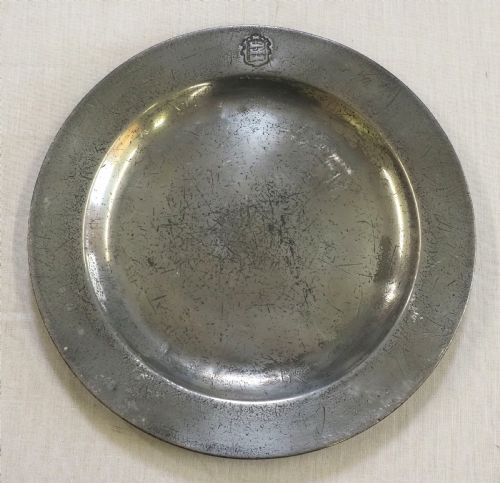


English Coat of Arms
These pieces bearing an english coat of arms bring heraldic history and traditional craftsmanship directly into your home.
English Coat of Arms
When you search for an english coat of arms, you encounter a diverse array of items ranging from porcelain plates to oak barrel umbrella stands and pottery figures. These objects carry heraldic insignia and span periods from the seventeenth century through to the Victorian era.
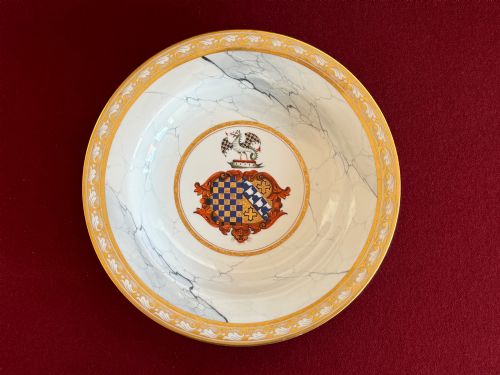
The versions you are most likely to meet on this page include armorial porcelain soup plates and dessert plates from the Georgian and nineteenth-century periods. Pewter chargers and plates, wooden stick stands, and framed cartography also frequently appear in the listings.
Makers such as Barr, Flight & Barr Worcester, Coalport, Minton, and Chamberlain Worcester produced these armorial ceramics, while pewter pieces originate from makers like Wood & Michell. Each item reflects the distinct decorative tastes and materials of its specific period, from Charles II broad rim chargers to Victorian Staffordshire figures.
Materials and Techniques
Makers utilised traditional materials such as porcelain, pewter, oak, brass, enamel, gold leaf, paper, and wood to construct these items. Ceramics were hand-painted with detailed armorial bearings, while pewter was cast into broad rim chargers and plates.
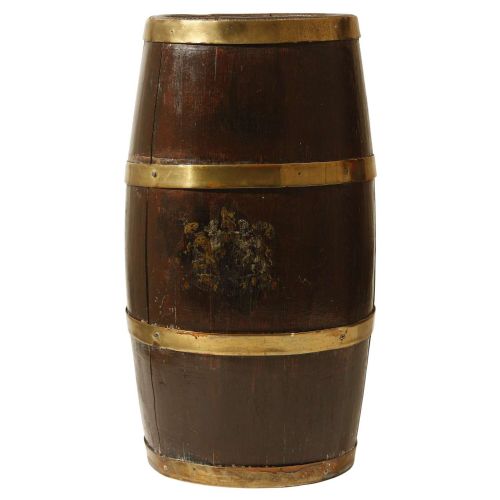
Woodworking techniques appear in the construction of coopered oak barrel umbrella stands and stick stands fitted with brass braces and umbrella loops. Paper and ink were used for framed seventeenth-century cartography, and oil paint on canvas captured religious portraits.
English Coat of Arms Retail Price Guide 2026
Typical asking prices for english coat of arms among the pieces listed under this phrase on Sellingantiques today, from the lower quarter to the upper quarter. They describe what is for sale here now, not the wider market.
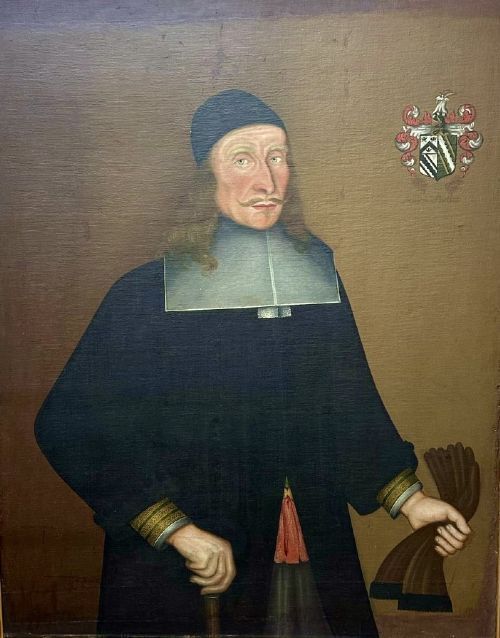
Some seventeenth-century ministers gaze sternly from oil paintings just inches away from porcelain plates bearing elaborate family crests.
Assessing Quality and Execution
The distinction between items lies in the precision of the hand-painted armorial detail on porcelain plates from factories like Minton and Coalport. Crisp casting marks on pewter plates and chargers similarly separate finer examples from standard production.
The integrity of the construction in wooden items, such as the snugness of coopered oak barrels and the secure fitting of brass braces, determines the upper tier of quality. Finer preservation of gold leaf, enamel, and paper cartography also elevates certain pieces above others.
Barr Flight And Barr·Wood And Michell·Coalport Porcelain·Chamberlain Worcester·Minton Cabinet
The English Coat of Arms Glossary
- Armorial
- Bearing a coat of arms or heraldic insignia. This term frequently describes porcelain plates and chargers painted with specific family crests.
- Charger
- A large ornamental or serving plate, often made of pewter during the seventeenth century. These broad rim pieces display significant metalwork skill.
- Coopered
- Made by a cooper using wooden staves held together by hoops, typically seen in oak barrel umbrella stands. Brass braces often reinforce these cylindrical structures.
- Cartography
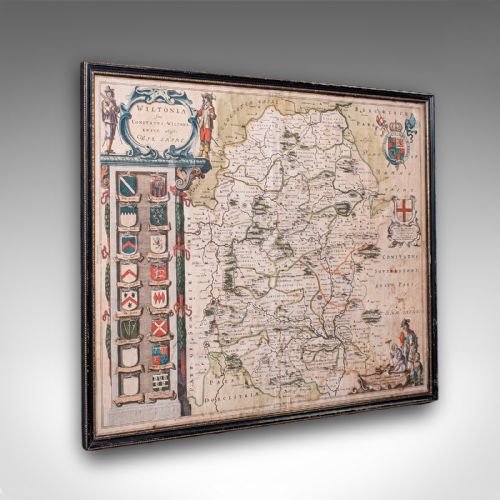
- The science or practice of drawing maps, such as framed seventeenth-century county maps. These paper works often feature Latin text and decorative borders.
English Coat of Arms: Frequently Asked Questions
What is an armorial plate?
An armorial plate is a ceramic dish painted with a specific family coat of arms or heraldic crest. These were often commissioned by landed families from prominent porcelain factories.
Such plates served both functional dining purposes and as a display of social status and lineage within a household.
How are pewter chargers dated?
Pewter chargers are typically dated through maker touchmarks, hammer marks, and stylistic shifts in rim width and overall weight. Seventeenth-century examples often feature broad rims and heavy construction.
Examining the wear patterns and the composition of the metal alloy also helps specialists determine the approximate era of production.
Where were umbrella stands placed?
Oak barrel umbrella stands and stick stands were traditionally positioned in the hallways or entrance lobbies of traditional homes. They provided a designated place for guests and residents to store wet walking sticks and umbrellas.
The coopered wood and brass fittings protected wooden floors from moisture while adding a formal decorative element to the entryway.
What does cartography show?
Cartography pieces on this page display historical county maps decorated with Latin text, cartouches, and geographical borders. These printed and hand-coloured maps record administrative boundaries and topography from centuries past.
Framed behind glass, they function as wall art that documents the changing perception of English geography over time.