




English Classic Chest
An english classic chest brings timeless storage and proportion into a room, offering sturdy construction in traditional timbers.
English Classic Chest
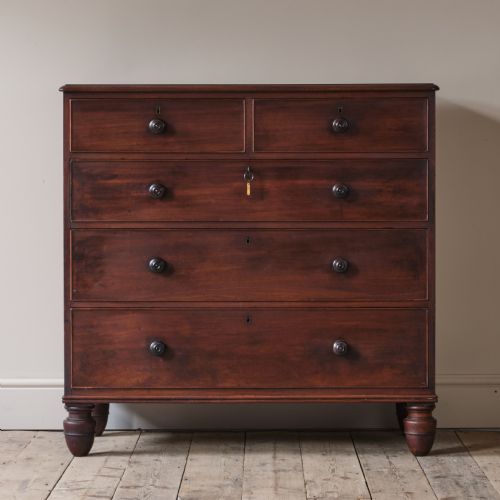
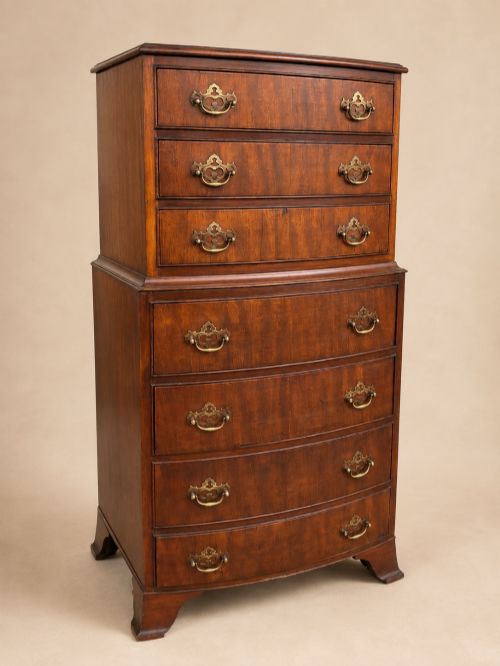
An english classic chest encompasses traditional forms such as chests of drawers, bowfront chests, and chests on chests spanning the Georgian, Regency, and Victorian eras. These pieces serve as practical storage furniture while displaying the craftsmanship of past centuries.
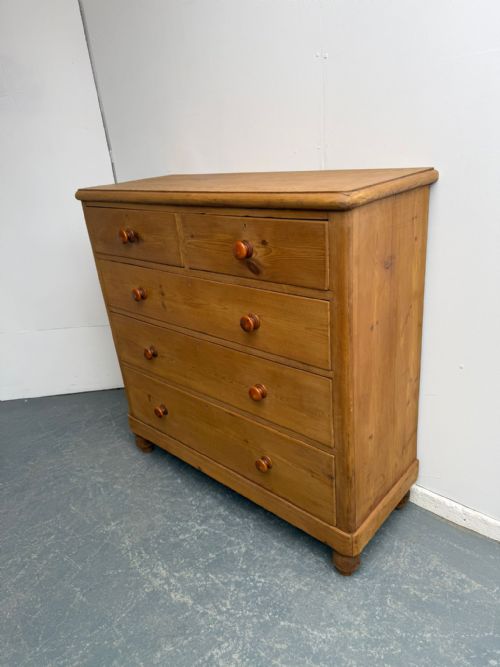
The versions most commonly met on this page include mahogany bowfront designs and waxed pine kitchen or bedroom chests of drawers. Pieces range from grand George I style mahogany constructions to simpler Victorian country pine examples.
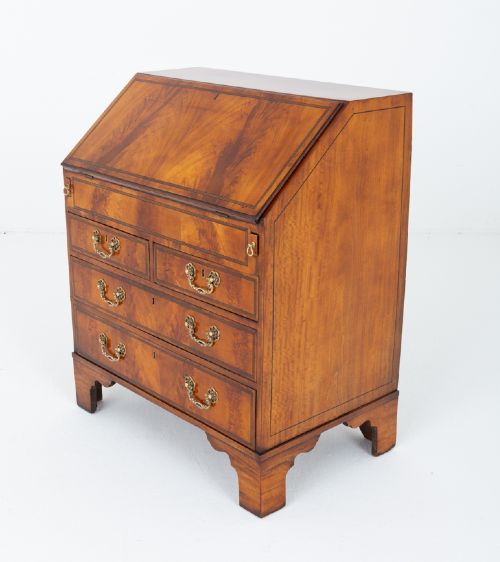
Specialised variations also appear among the selections, including secretaire chests, bureaux, and large collectors cabinets fitted with numerous small drawers. Each form reflects the domestic requirements of its period of origin.
How They Were Made
Cabinet makers utilised dense hardwoods like mahogany, satinwood, and burr walnut alongside solid pine for internal framing and carcass construction. Wood veneer was frequently applied to create decorative surfaces on drawer fronts and panels.
Hardware played a functional and decorative role, with cast brass handles and escutcheons fitted to secure drawer openings. Tongue and groove construction methods supported the robust assembly seen in nineteenth-century workshops.
English Classic Chest Retail Price Guide 2026
Typical asking prices for english classic chest among the pieces listed under this phrase on Sellingantiques today, from the lower quarter to the upper quarter. They describe what is for sale here now, not the wider market.
Listings feature items spanning the Georgian, Regency, and Victorian periods, constructed from mahogany, burr walnut, satinwood, and solid pine.
What Varies in Quality
The refinement of the timber selection largely determines the grade of a piece, with figured burr walnut and carefully matched mahogany veneers representing higher craftsmanship. Simpler utility items constructed from solid pine sit at the functional end of the range.
Proportion and detailing distinguish standard domestic furniture from superior productions, visible in serpentine fronts and architectural elements like chest on chest configurations. Maker attribution, when present, also elevates the standing of a piece.
T & G Seddon·C. Hindley
The English Classic Chest Glossary
- Bowfront
- A convex curved cabinet front that projects outward in a smooth arc, popular during the Regency and Georgian periods.
- Chest on Chest
- A tall storage unit comprising a smaller chest stacked directly on top of a wider base chest, sometimes called a tallboy.
- Secretaire
- A piece of furniture incorporating a writing drawer with a drop-down front that conceals small compartments and pigeonholes.
- Serpentine Front
- A cabinet front featuring a wavy contour with a central convex curve flanked by concave sweeps.
- Tongue and Groove
- A method of fitting boards together where a projecting ridge on one edge fits into a matching slot on the adjacent edge.
English Classic Chest: Frequently Asked Questions
How do I identify a Georgian chest?
Georgian chests are generally characterised by dense mahogany timbers, restrained classical proportions, and sturdy bracket or ogee feet. Brass drop handles or loop pulls mounted on backplates are typical of the period.
Internal construction often employs oak or pine linings with hand-cut dovetails joining the drawer corners together securely.
Where were secretaire chests used?
Secretaire chests were placed in bedrooms, libraries, and private studies where floor space was at a premium. They combined the storage capacity of a standard chest of drawers with a dedicated writing surface.
Pulling down the upper drawer front revealed a fitted interior of small compartments for stationery and correspondence.
What is a collectors cabinet?
A collectors cabinet is a specialised piece designed to house small specimens such as coins, shells, or minerals within rows of shallow internal drawers. These cabinets often feature fine timber veneers like burr walnut.
The numerous small drawers required precise joinery to ensure smooth operation within a secure housing.