



English Ceramic Teacup
When you search for an english ceramic teacup, you enter a field spanning delicate eighteenth-century tea bowls and twentieth-century bone china sets.
English Ceramic Teacup
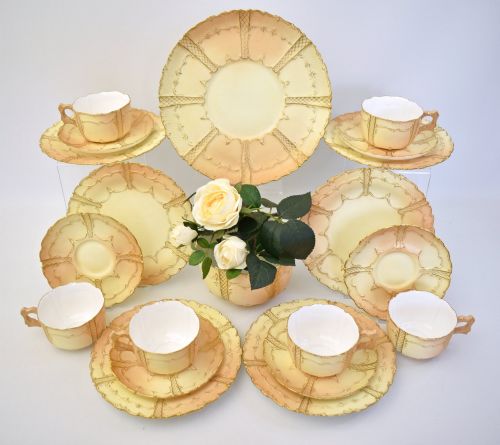
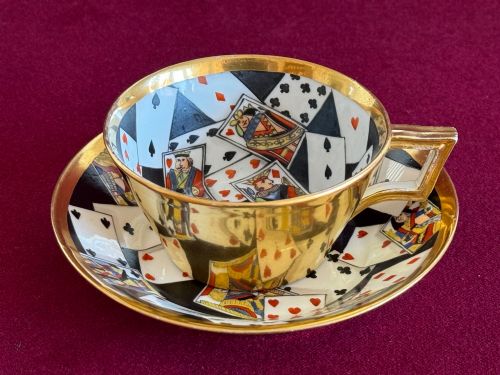
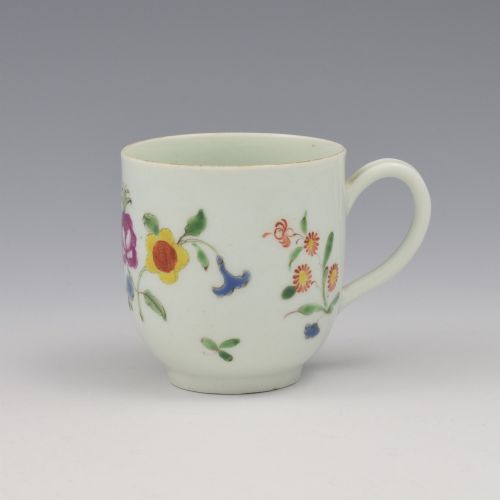
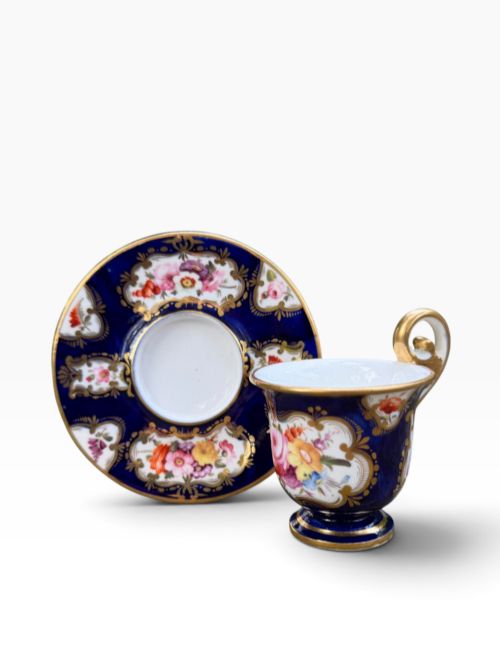
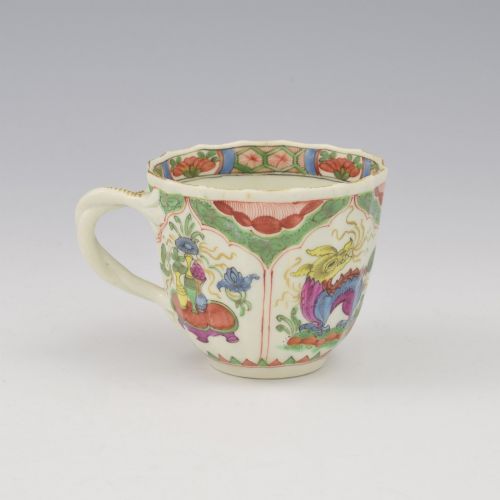
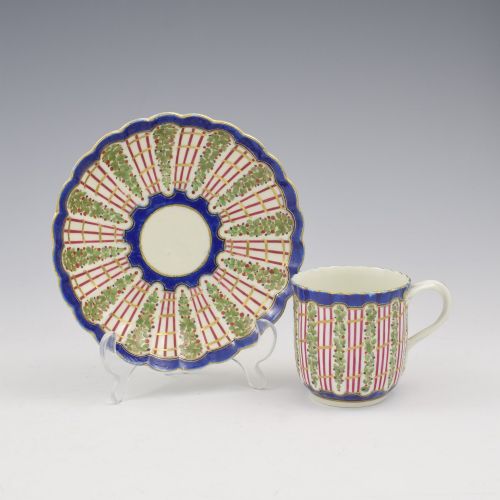
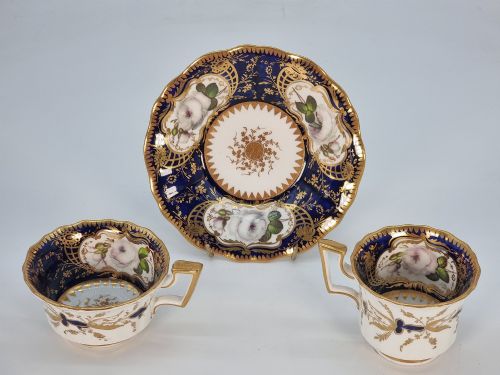
An english ceramic teacup encompasses items ranging from early soft-paste tea bowls without handles to rigid bone china trios complete with matching saucers and side plates. The forms vary from intimate eighteenth-century shapes designed for loose leaves to expansive Victorian and Edwardian tea service components.
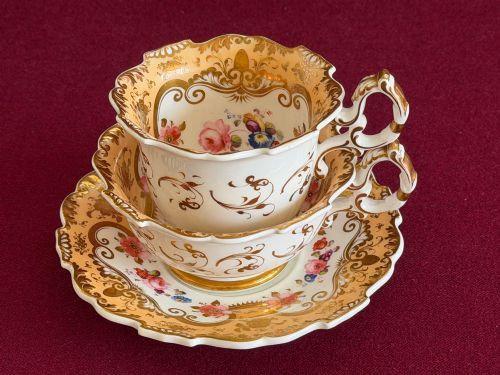
Pieces from this category appear across periods spanning the eighteenth century through the 1930s, reflecting shifts in social drinking habits and manufacturing technology. Early examples often lack handles entirely, while nineteenth-century Regency and Victorian iterations introduce elaborate scroll handles and matching accessories.
Makers represented in this selection include historic factories such as Worcester, Spode, Coalport, and Royal Worcester, alongside regional potteries like New Hall and Davenport. These pieces survive either as isolated cabinet specimens or as part of larger compiled tea and coffee services.
Materials and Technique
Potters utilised soft-paste porcelain in early eighteenth-century manufactories before transitioning toward bone china and hard-paste formulations containing calcined ox bone and china stone. These bodies were shaped either by throwing on a wheel or by pressing clay into plaster moulds.
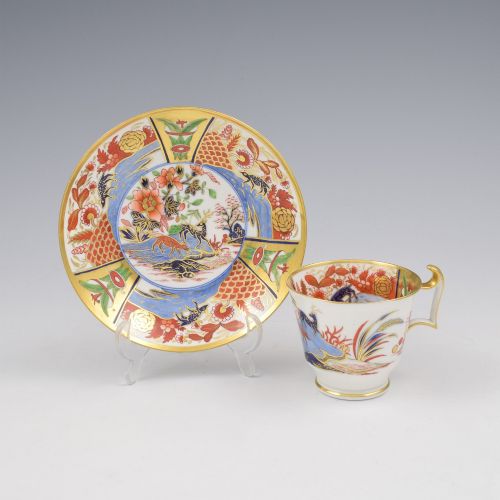
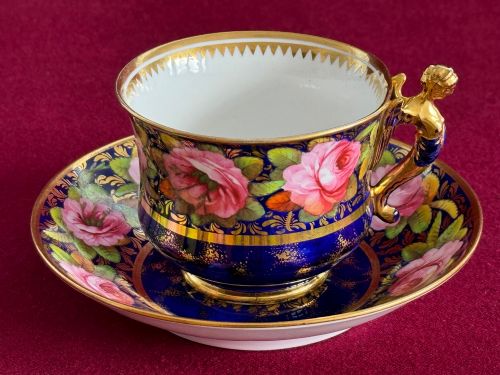
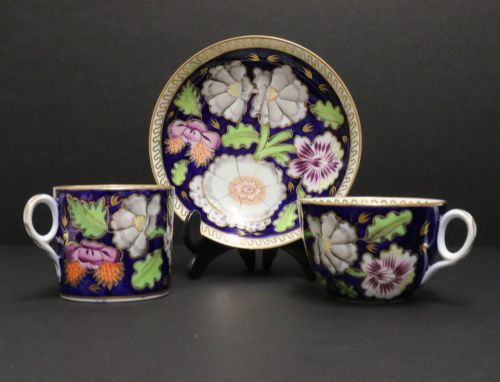
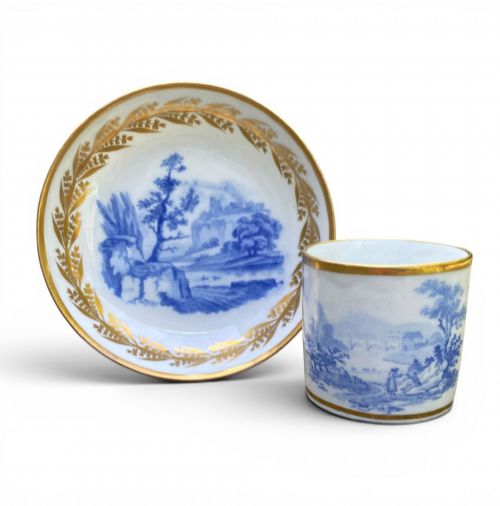
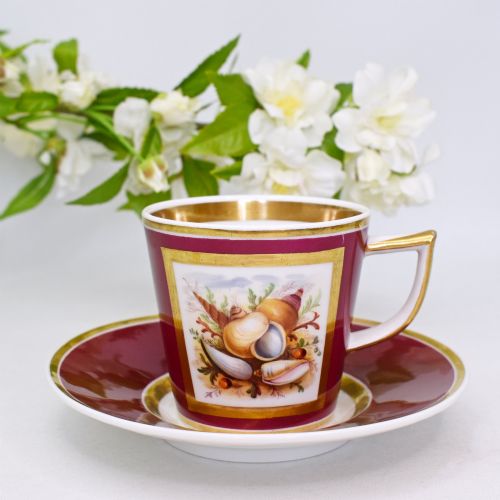
Decoration relied on hand-painting with cobalt blue underglaze, polychrome enamels, and the application of gold leaf and gilding to accentuate rims and handles. Glazes were fired at high temperatures to achieve a vitreous finish that sealed the porous ceramic body underneath.
English Ceramic Teacup Retail Price Guide 2026
Typical asking prices for english ceramic teacup among the pieces listed under this phrase on Sellingantiques today, from the lower quarter to the upper quarter. They describe what is for sale here now, not the wider market.
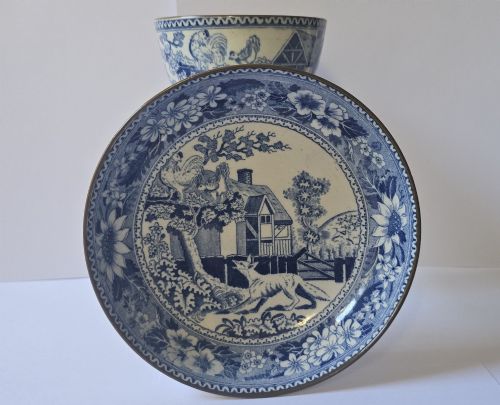
Some nineteenth-century decorators squeezed whimsical bird and animal titles like 'Crazy Cow' onto diminutive porcelain surfaces.
Quality Variations
Quality diverges between mass-produced utility wares and specialised cabinet pieces intended for display rather than daily service. Hand-painted detail work by named factories demonstrates precision in brushwork and enamel saturation that commercial transfer printing lacks.
The clarity of the porcelain body and the crispness of moulded relief elements indicate the skill employed during the firing and glazing stages. Intricate gilding execution and the preservation of original gilt edges distinguish superior examples within any given period.
Spode·Derby·Coalport·Worcester·New Hall·Rockingham·Minton·Royal Worcester
The English Ceramic Teacup Glossary
- Tea bowl
- A handleless vessel used for drinking tea during the eighteenth century before handles became standard on English cups.
- Trio
- A matched set consisting of a teacup, a saucer, and a corresponding side or tea plate.
- Soft-paste porcelain
- An artificial porcelain composition fired at lower temperatures than hard-paste, common in early English factories like Worcester and Derby.
- Bone china
- A type of porcelain incorporating bone ash, developed in England to create a whiter and stronger ceramic body.
- Coffee can
- A cylindrical cup designed specifically for drinking coffee, frequently taller and straighter than a standard teacup.
English Ceramic Teacup: Frequently Asked Questions
How do I date an old teacup?
Dating relies on factory marks stamped or painted on the base, stylistic indicators like handle shapes, and the composition of the ceramic body itself. Reference books match pattern numbers and painted ciphers to specific manufacturing decades.
Changes in porcelain translucency and glaze characteristics also help narrow down the period of production between the eighteenth and twentieth centuries.
Can I use these cups for drinking tea?
Many antique cups remain structurally sound for gentle use, but fragile soft-paste porcelain and delicate gilding are vulnerable to thermal shock and abrasive washing. Collectors generally reserve older eighteenth-century pieces for display.
Twentieth-century bone china sets tolerate careful hand washing better, though harsh detergents and dishwashers should be avoided entirely.
What is the difference between a tea bowl and a teacup?
Tea bowls lack handles entirely, reflecting East Asian prototypes imported during the early history of tea consumption in Europe. Cups with handles emerged as domestic production adapted to European preferences.
Tea bowls require both hands to hold when the liquid is hot, whereas handled cups allow a single-finger grip.
Why do some cups have saucers while others do not?
Saucers were originally designed to let hot tea cool in a shallow basin before drinking, rather than serving merely as a rest for the cup. Over time, the saucer evolved into a stable base for the cup and a place to hold small sweet items.
Individual cups sometimes survived centuries separated from their original saucers, resulting in assembled pairings found in current collections.