



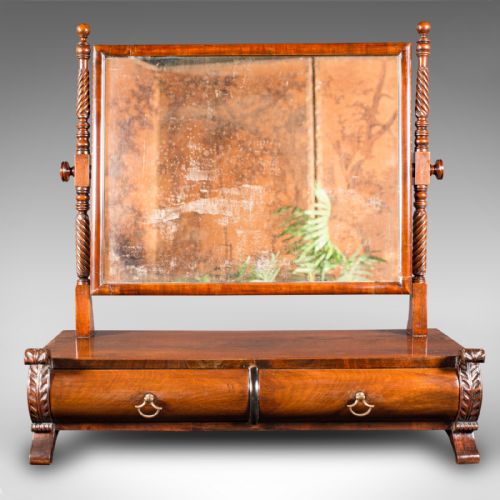

English Brown Wood Mirror
An English brown wood mirror brings warmth and character to a room, offering rich grain and practical reflection across various historic periods.
English Brown Wood Mirror
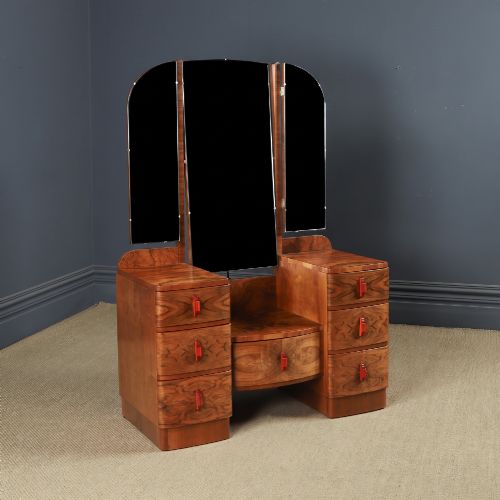
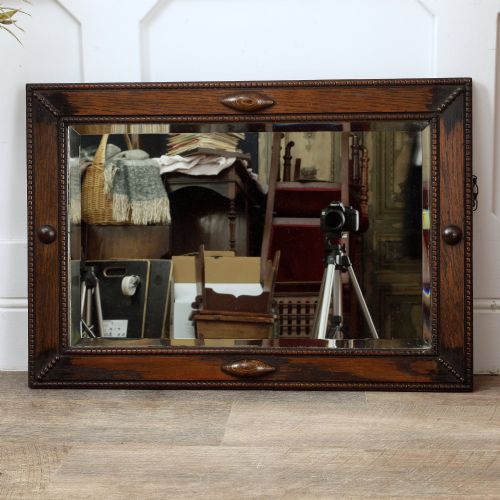
You are most likely to meet walnut and mahogany examples originating from the Victorian, Edwardian, and Regency eras. These range from simple oak-framed wall hangings to elaborate pedestal vanities and hallway mirrors featuring bevelled glass.
Materials and construction
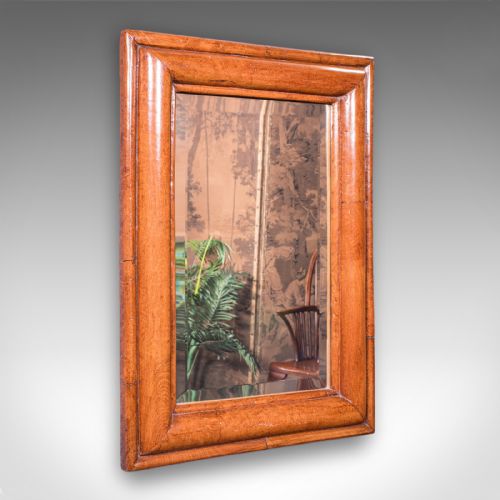
Cabinetmakers utilised rich cabinet timbers such as mahogany and figured walnut, often selecting grain patterns to create visual depth on frames and vanity surrounds. Glass panes were fitted carefully into wooden rebates, sometimes featuring bevelled edges.
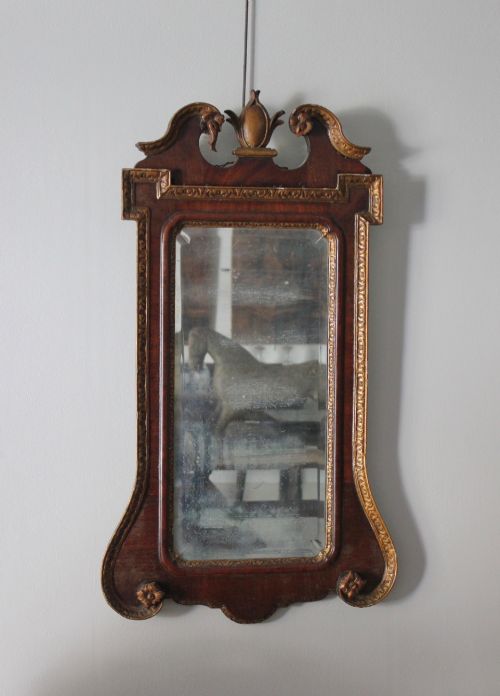
Brass fittings and hardware appeared on dressing and cheval mirrors to allow pivoting movement, while occasional pieces incorporated gilded and painted highlights to complement the natural timber grain.
English Brown Wood Mirror Retail Price Guide 2026
Typical asking prices for english brown wood mirror among the pieces listed under this phrase on Sellingantiques today, from the lower quarter to the upper quarter. They describe what is for sale here now, not the wider market.
One unexpected wall mirror serves double duty by incorporating a built-in valet for hats and coats.
Assessing quality
Quality rests upon the selection of the timber and the depth of the grain, particularly in figured walnut and mahogany examples where the natural figure is showcased across the frame. Construction methods, such as the neatness of joinery and the original integrity of the glass, distinguish finer pieces from simpler utilitarian items.
The presence of original bevels, period brass mounts, and well-preserved timber patination indicates a higher standard of craftsmanship. Simpler oak or pine-backed wall mirrors rely primarily on proportion and clean lines rather than ornate timber selection.
W.E. Pain of Cambridge
The English Brown Wood Mirror Glossary
- Cheval mirror
- A freestanding full-length mirror supported on a frame with pivoting side posts. This allows the glass to tilt to various angles.
- Bevelled glass
- A mirror pane with edges that have been cut and polished at an angle. This creates a framed effect within the glass itself.
- Figured walnut
- Walnut timber exhibiting attractive, natural grain patterns such as burr or curl. Cabinetmakers prized this for its decorative surface appeal.
- Pedestal vanity
- A dressing table or vanity unit incorporating supporting cupboards or drawers on either side. These often feature an attached swinging mirror.
English Brown Wood Mirror: Frequently Asked Questions
What is a cheval mirror?
A cheval mirror is a freestanding, full-length glass mounted on a pivoting frame that lets you tilt the angle.
These pieces typically stand on four feet or pedestal bases and were designed for bedrooms and dressing rooms.
How do I identify an Edwardian mirror?
Edwardian mirrors often feature walnut frames, sometimes with bevelled glass and practical additions like valet hooks for hallways.
They reflect the lighter, more eclectic design tastes of the early twentieth century while maintaining traditional timber construction.
Where should I hang a hallway mirror?
Hallway mirrors work well near an entryway to bounce light into darker spaces and provide a final check before leaving.
Ensure the wall fixings match the weight of the timber frame and glass safely.
What woods were used for these mirrors?
Cabinetmakers primarily used mahogany, walnut, figured walnut, and oak for framing these mirrors across different centuries.
Each timber offers distinct grain patterns and colour depths that deepen with age and polish.