



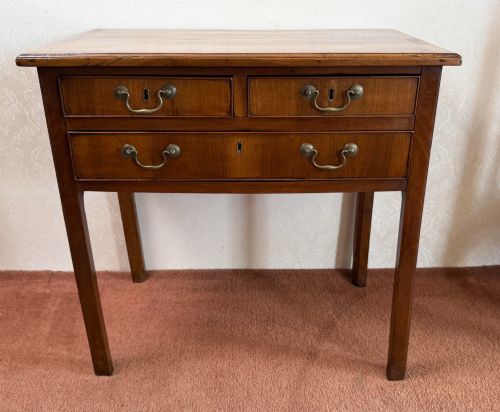
English Brown Wood Desk
These pieces form an English brown wood desk selection spanning centuries of timber working and domestic life.
English Brown Wood Desk
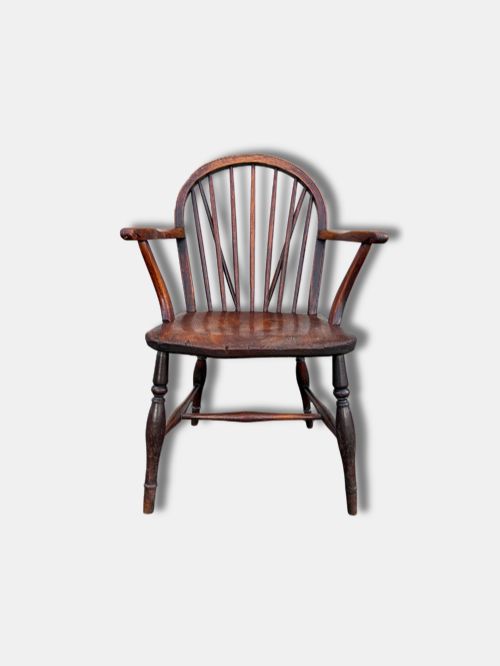
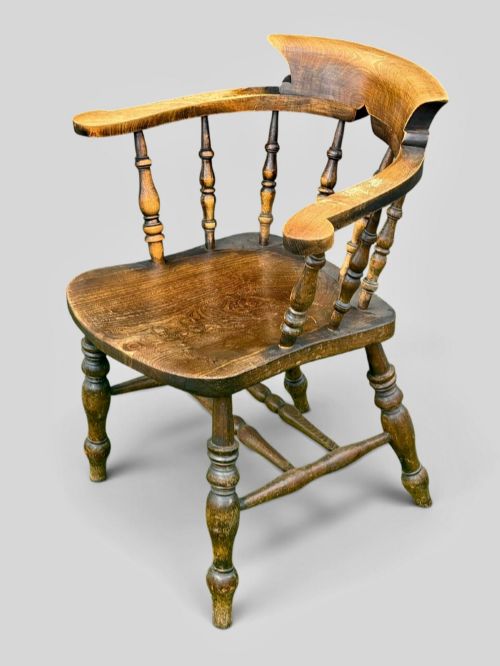
The selection frequently includes provincial seating and tables rather than strictly utilitarian writing surfaces, merging the search phrase with country vernacular traditions. Elm, yew, oak, and mahogany form the backbone of these functional domestic objects.
Buyers encounter everything from formal Georgian fall-front cabinets to sturdy country armchairs and side tables designed for daily service. Each survivor demonstrates the distinct regional carpentry of British makers working with native hardwoods.
How they were made
Cabinet makers and bodgers relied upon native English hardwoods such as elm, ash, beech, and yew, selecting specific woods for their tensile strength or decorative grain figures. Walnut and mahogany appear in more formal bureau and desk constructions, often utilised as fine veneers over secondary timbers.
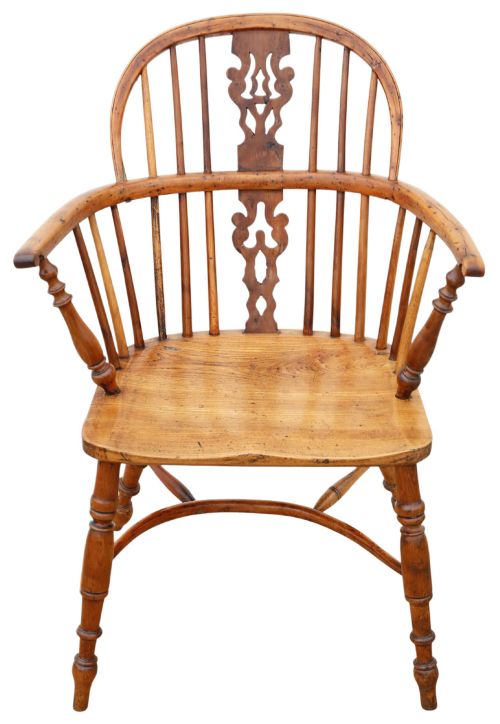
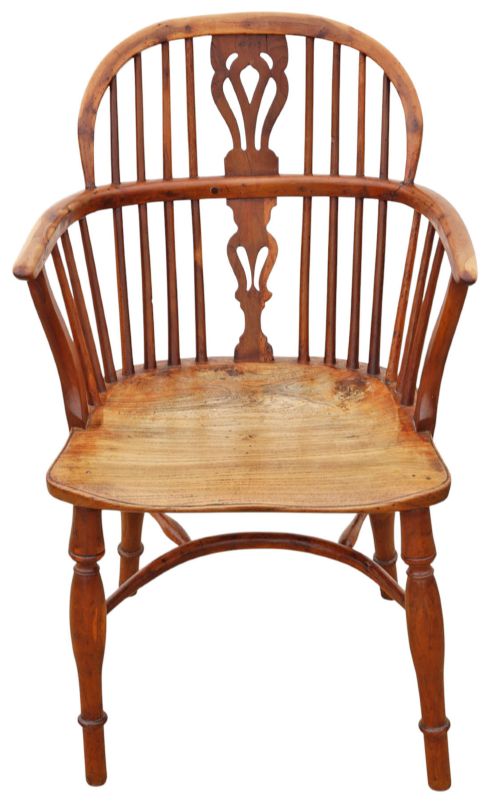
Traditional joinery methods dictate the construction of these items, employing pegged mortise and tenon joints, dovetails for drawer boxes, and turned spindles. Steam bending shaped the continuous hoops and arms of country chairs, while brass hardware secured drop leaves and fall-front writing surfaces.
Listings feature 18th-century and 19th-century periods, utilising elm, yew, brass, beech, mahogany, ash, and oak across various desks and seating forms.
What varies in quality
Quality rests upon the selection of timber figures, such as burr elm or burr walnut, and the crispness of turned components like spindles and legs. Superior examples retain their original surface patination and structural integrity without excessive timber replacement.
The harmony of proportions and the refinement of edge mouldings separate everyday utilitarian objects from masterworks of regional carpentry. Maker stamps or well-documented provenance further elevate the standing of individual writing desks and chairs.
Gabbitass of Worksop·J Spencer·Thomas Chippendale
The English Brown Wood Desk Glossary
- Lowboy
- A small side table with drawers, commonly used as a dressing table or writing surface in the eighteenth century. These low tables typically feature cabriole or straight legs.
- Fall-front bureau
- A writing cabinet featuring a hinged sloping flap that opens to reveal a fitted interior of small drawers and pigeonholes. The writing surface drops forward for use.
- Windsor chair
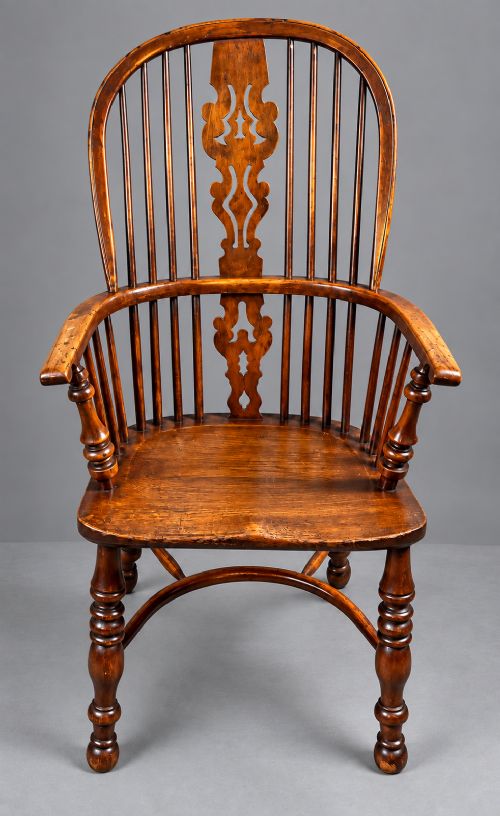
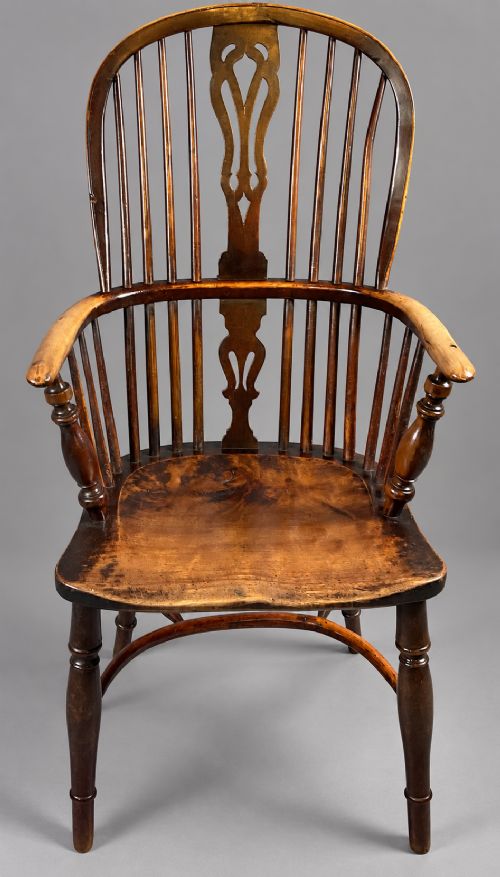
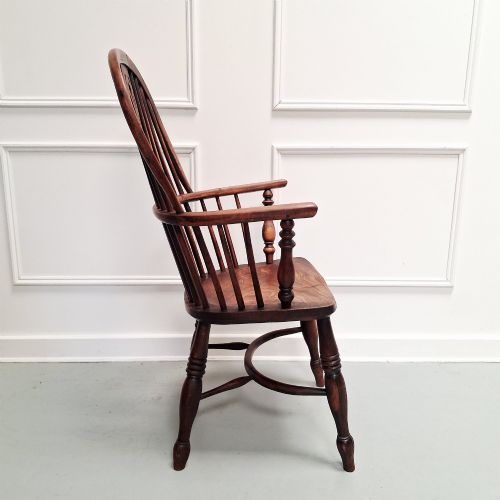
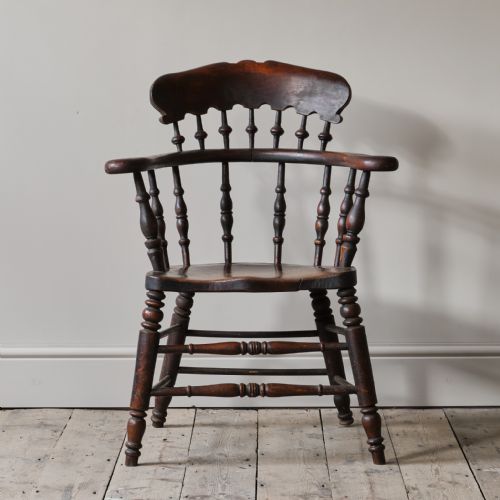
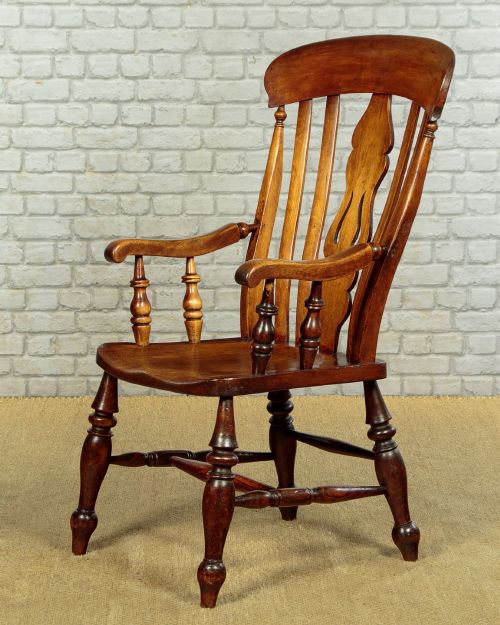
- A traditional wooden chair constructed with a solid elm or beech seat into which the legs and back spindles are directly socketed. Regional variants include hoop backs and high comb backs.
- Crinoline stretcher
- An arched under-stretching brace connecting the legs of a Windsor chair to provide structural rigidity. This curved wooden brace often adds decorative grace to country seating.
- Burr walnut
- A highly figured timber harvested from the wart-like growths on walnut trees, sliced into thin sheets for decorative veneer. Cabinet makers prized this wood for its swirling patterns on desk surfaces.
English Brown Wood Desk: Frequently Asked Questions
How were antique writing desks used?
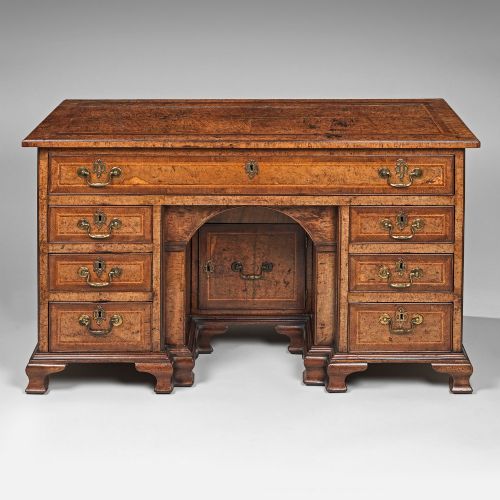
Historical writing furniture served domestic and professional households for correspondence, account keeping, and administrative duties. Fall-front bureaus and kneehole desks provided concealed storage for ledgers, letters, and writing implements.
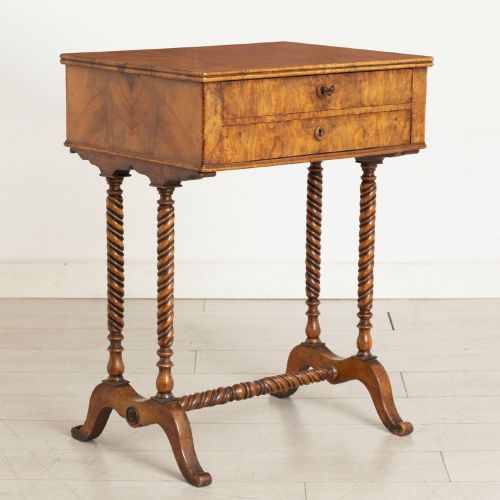
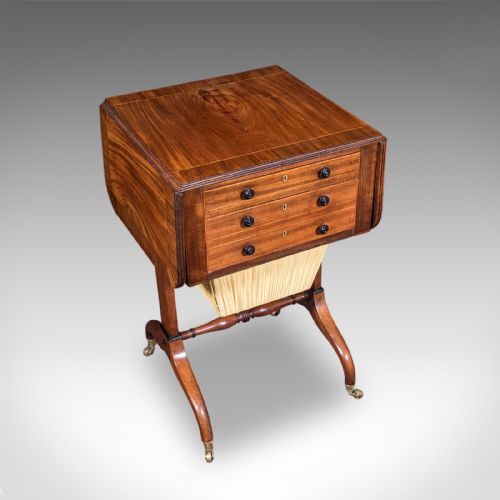
Drop-leaf tables and sewing desks offered versatile multi-purpose surfaces in withdrawing rooms and parlours. Their compact footprints accommodated the practical needs of daily domestic management before the advent of modern office furniture.
How do I live with antique wood furniture?
Living with historical brown wood pieces involves placing them away from direct heat sources and rapid humidity shifts. Natural timber responds to environmental changes, making stable indoor conditions essential for preserving antique finishes.
Regular dusting with a dry cloth and occasional application of appropriate beeswax maintain the natural lustre of the wood. These robust working antiques integrate smoothly into contemporary rooms as functional surface furniture.
How do I tell different periods apart?
Distinguishing between periods requires examining construction techniques, hardware styles, and overall furniture proportions. Georgian pieces often display restrained classical lines and fine dovetailing, while Victorian items feature heavier turnings and darker finishes.
Regional country pieces maintained traditional vernacular methods long after urban workshops adopted new styles. Comparing timber species and joinery details helps establish the approximate decade of manufacture.