

English Brown Wood Chest
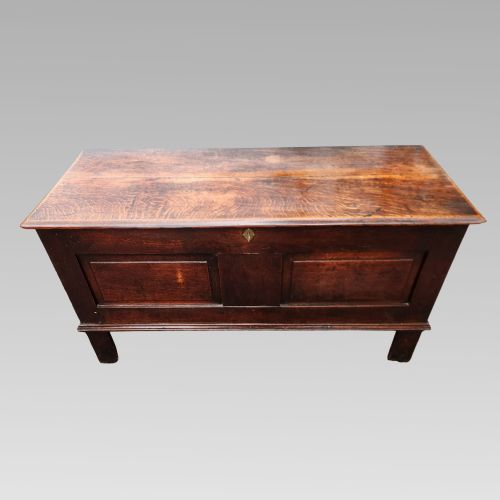
These English brown wood chest pieces provide enduring storage, ranging from sturdy oak coffers to elegant mahogany chests of drawers.
English Brown Wood Chest
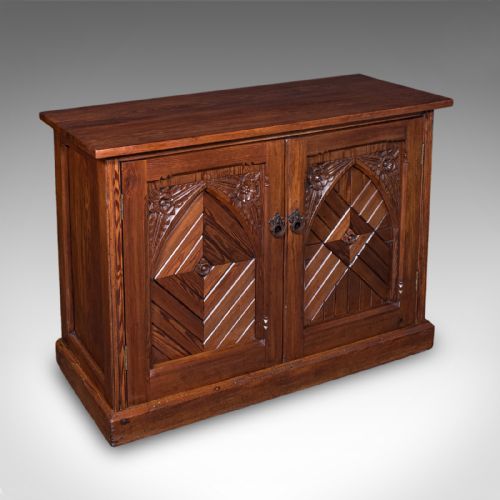
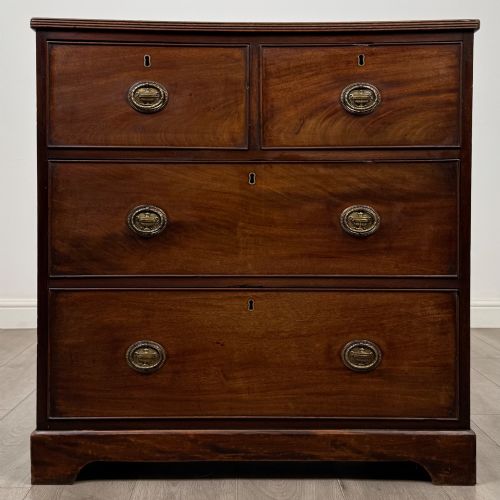
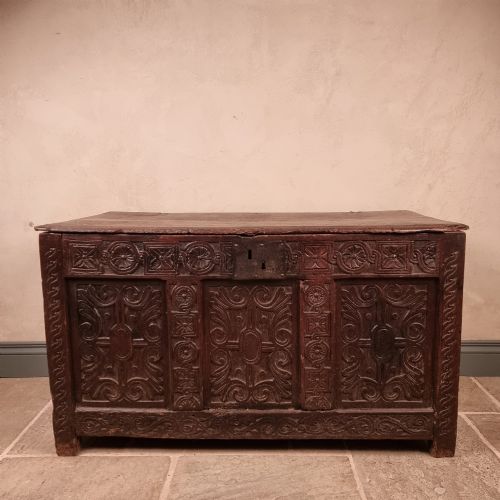
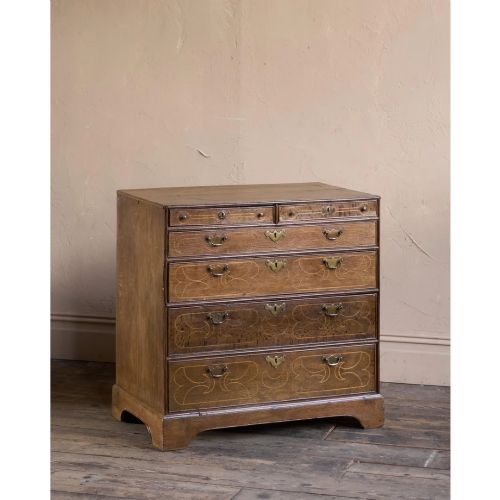
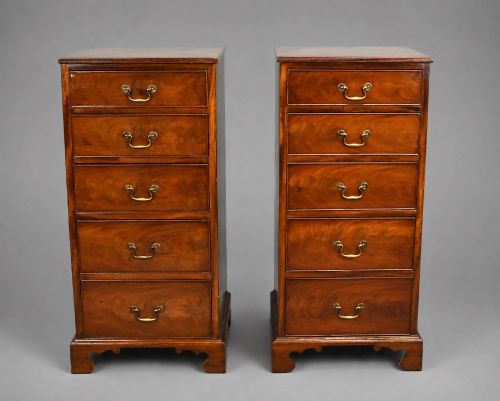
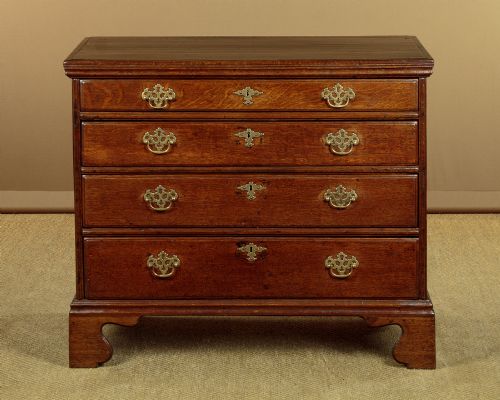
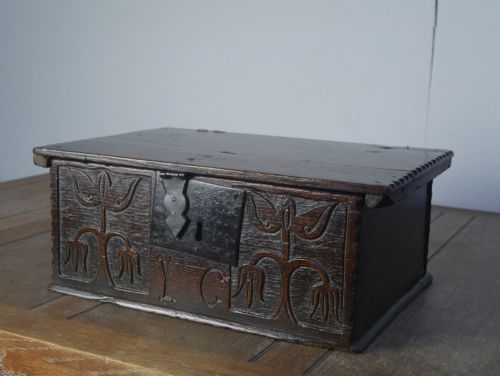
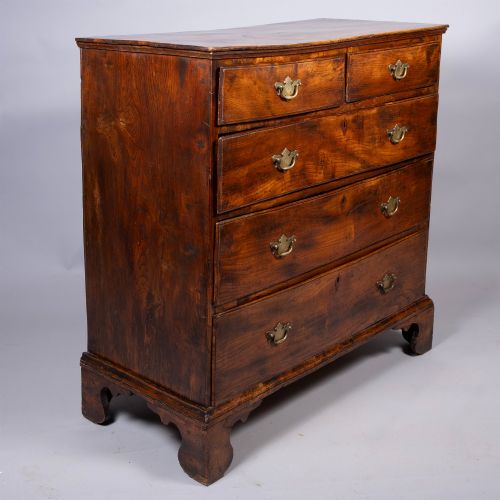
When searching for an English brown wood chest, buyers encounter a diverse selection of traditional domestic furniture designed for storage, primarily consisting of chests of drawers, coffers, and tallboys.
The pieces on this page span several distinct periods, with Georgian and Victorian examples appearing frequently alongside earlier 17th Century pieces in oak and walnut.
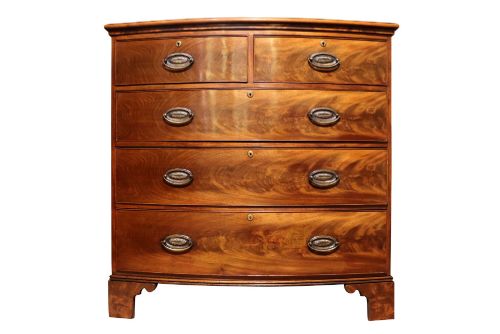
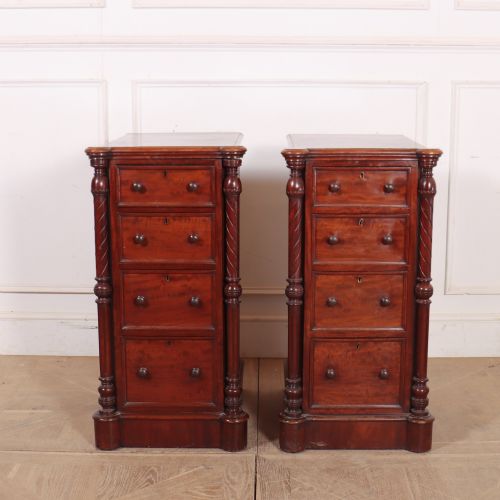
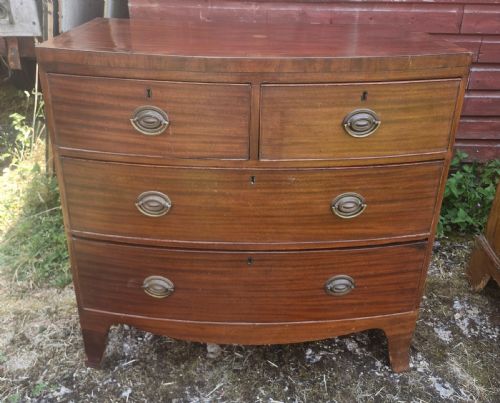
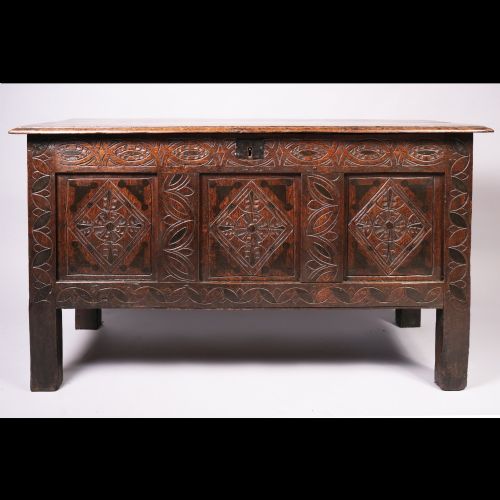
Form follows function closely across the selection, shifting from robust early storage coffers to refined mahogany bow-front chests and compact bedside tables.
Materials and construction
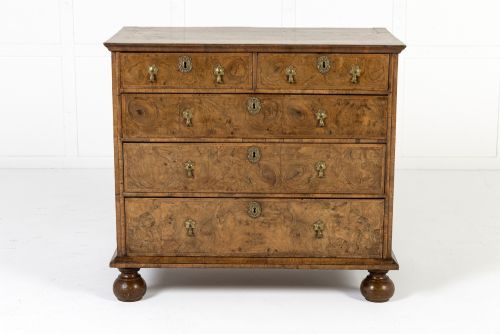
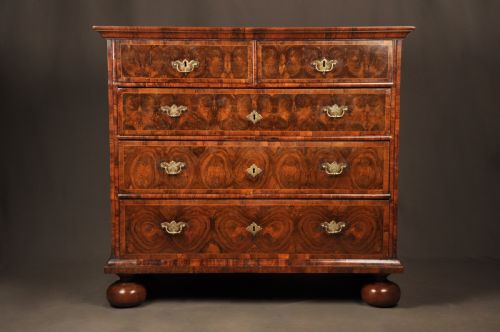
Cabinet makers utilised a rich palette of timbers including mahogany, walnut, oak, elm, and yew, often selecting figured veneers such as flame mahogany or oyster cut patterns.
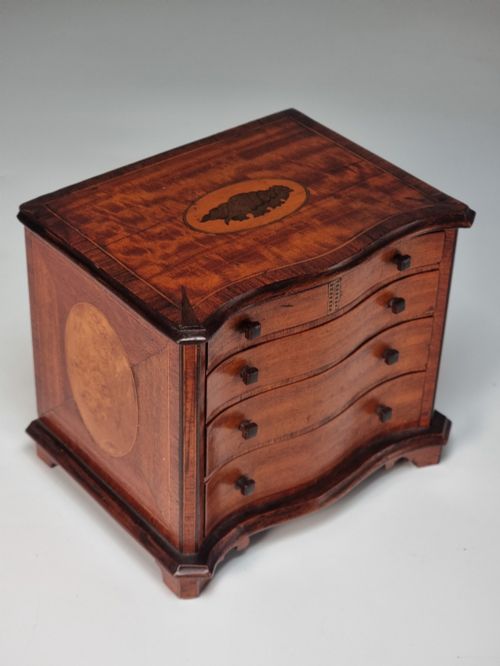
Construction techniques relied on traditional joinery, dovetailing, and careful timber selection, complemented by brass handles, escutcheons, and occasional marquetry or inlay details.
English Brown Wood Chest Retail Price Guide 2026
Typical asking prices for english brown wood chest among the pieces listed under this phrase on Sellingantiques today, from the lower quarter to the upper quarter. They describe what is for sale here now, not the wider market.
Listings feature pieces spanning from the 17th Century through to the Edwardian era, constructed in oak, walnut, mahogany, and yew.
Assessing quality and character
The finest examples display superior timber selection, such as tightly figured burr walnut or rich mahogany with consistent grain patterns across the primary surfaces.
Quality reveals itself in the subtlety of the execution, from precise dovetail joints in the drawer construction to the crispness of inlay and the original patination of the wood.
A. F. Lloyd Bideford
The English Brown Wood Chest Glossary
- Bow front
- A convex curved front facade commonly found on Regency and Georgian chests of drawers. This curved profile softens the rectangular silhouette of the furniture.
- Oyster veneer
- Cross-sections of branches or small boughs laid down in geometric patterns to create a distinctive circular grain effect. This technique was favoured during the 17th Century.
- Coffer
- A heavy wooden chest traditionally used for storing valuables, linens, or documents. Early examples are constructed from solid oak with hinged lids.
- Tallboy
- A tall chest of drawers consisting of one chest stacked upon another, providing generous vertical storage. These pieces became popular during the Georgian period.
- Marquetry
- Decorative veneer work formed by fitting together small pieces of different coloured woods to create floral or geometric pictures. It requires high technical skill from the cabinet maker.
English Brown Wood Chest: Frequently Asked Questions
How do I date an antique chest?
Dating relies on examining the timber species, construction methods, hardware, and overall style. Hand-cut dovetails and specific wood choices often indicate particular centuries.
Secondary woods inside drawers and the presence of original brass handles provide further clues to narrow down the decade of manufacture.
How do I care for wooden antique furniture?
Keep wooden pieces away from direct sunlight and steady temperature fluctuations to prevent the timber from splitting. Regular gentle dusting preserves the surface without damaging the finish.
Apply occasional appropriate wax polish to nourish the wood and maintain its natural lustre over time.
Where should I place a bedside chest?
Bedside chests fit well beside standard bed heights to hold lamps, books, and small nighttime essentials. Their compact dimensions suit smaller bedrooms while adding traditional character.
Matching pairs create visual symmetry, while single chests offer an eclectic accent piece.