




English Brown Wood Cabinet
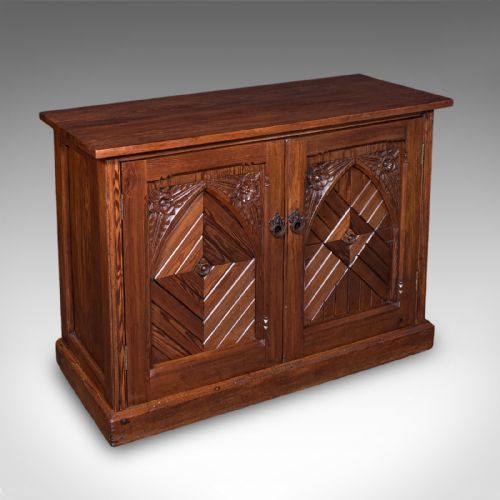
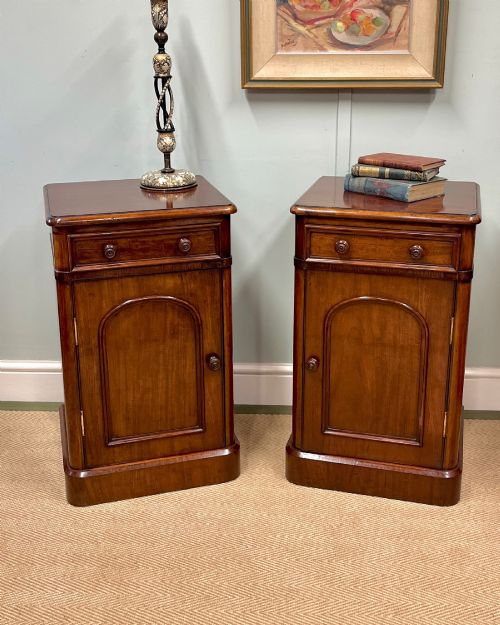
An English brown wood cabinet brings warmth and practical storage to a room, spanning centuries of craftsmanship in mahogany, oak, and walnut.
English Brown Wood Cabinet
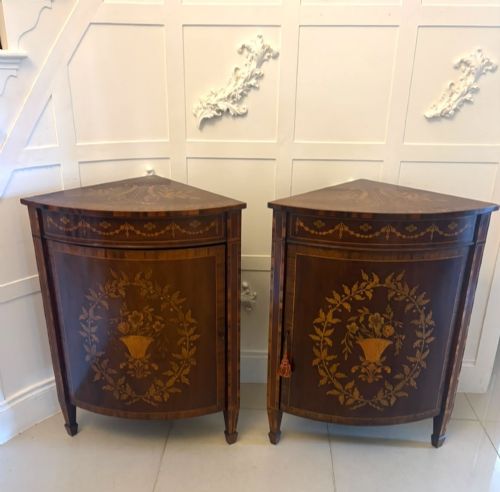
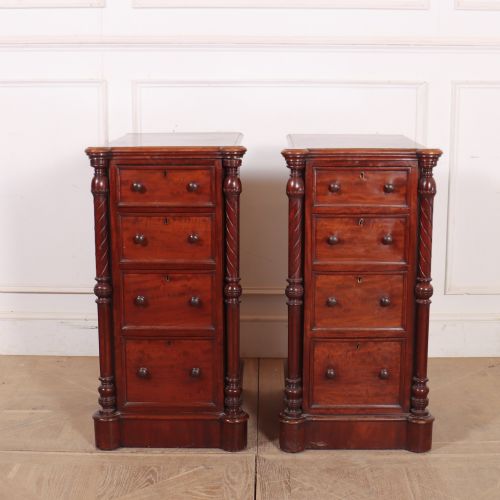
When searching for an english brown wood cabinet, buyers encounter a diverse selection of historical forms ranging from compact bedside chests to grand library bookcases and corner cupboards. The pieces span multiple centuries, including Georgian, Victorian, and Edwardian periods, reflecting the shifting domestic needs of British households over generations.
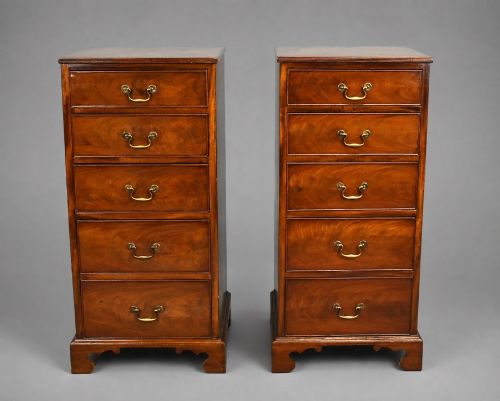
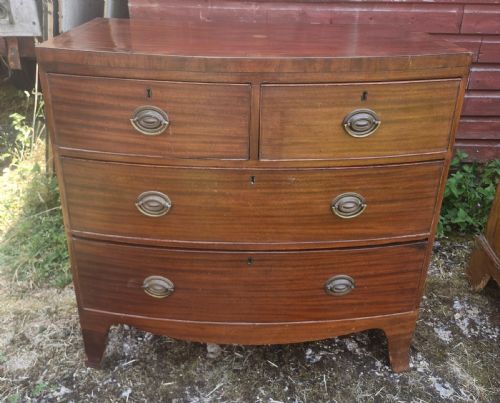
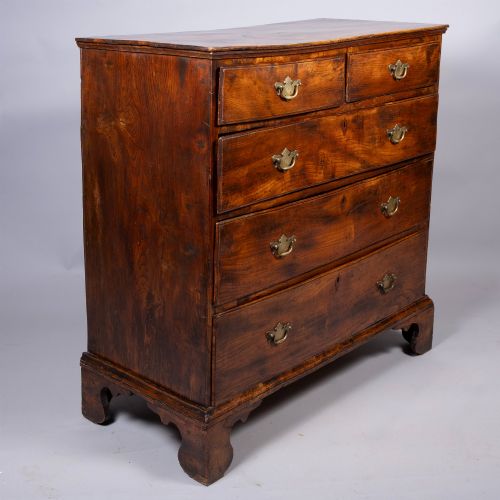
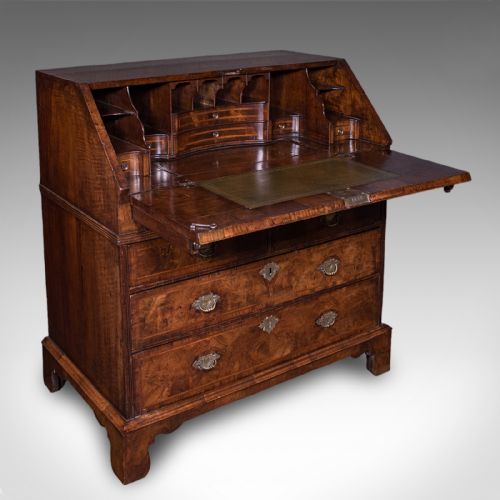
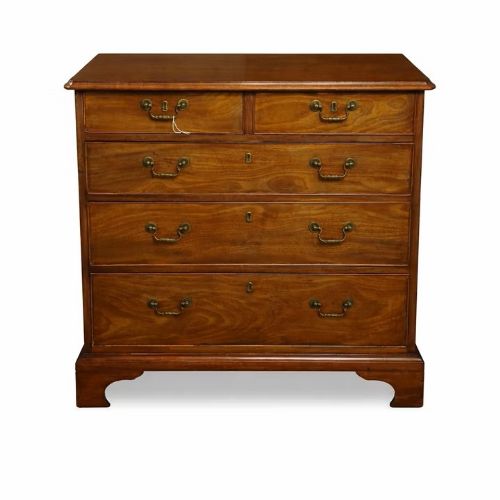
The most common formats on this page are mahogany chests of drawers, oak storage cupboards, and glazed display bookcases. Makers utilised rich timbers to construct functional furniture intended for everyday domestic utility as well as formal reception rooms.
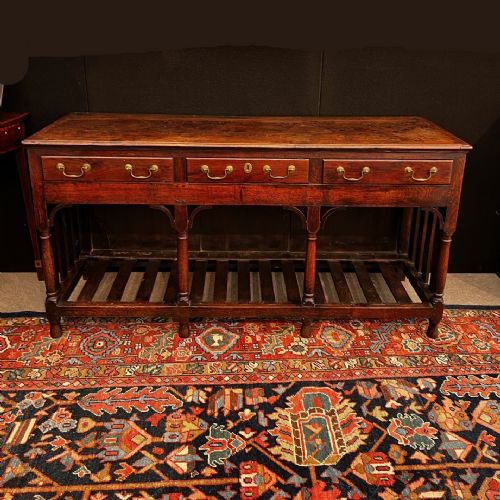
Regional workshops and metropolitan cabinet makers produced these works in varied woods such as walnut, elm, and yew. Each object demonstrates the enduring utility of traditional British brown furniture within modern interiors.
Materials and Construction
Cabinet makers relied primarily on solid hardwoods like oak, mahogany, and walnut, often applying decorative veneers such as burr elm, satinwood, or amboyna to primary surfaces. These timbers were selected for their rich grain patterns and structural stability.
Construction techniques involved traditional joinery, including dovetail joints for drawer construction and mortise and tenon frames for larger carcasses. Brass hardware, glass panes, and marquetry inlays were incorporated to finish the pieces.
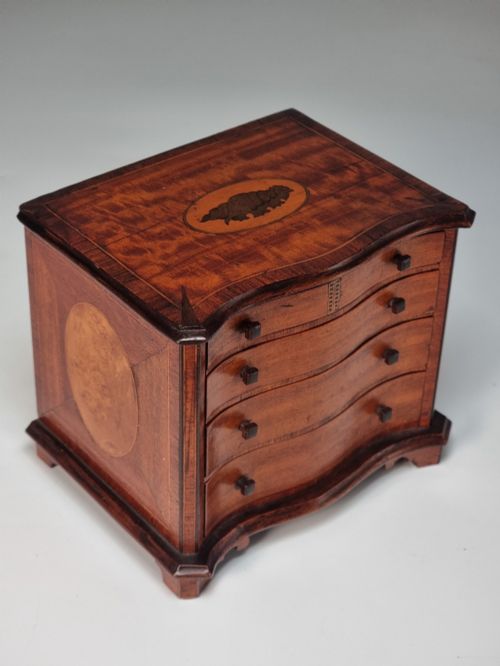
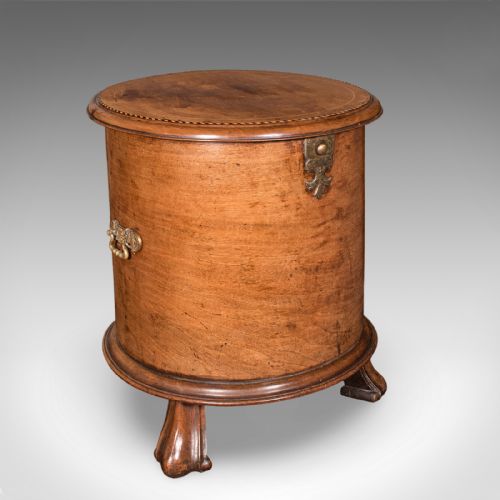
Some small cabinets were built using wood salvaged directly from Royal Navy warships.
Markers of Distinction
The separation between standard and superior pieces rests upon the selection of timber and the precision of the joinery. Cabinets featuring highly figured wood grains, such as flame mahogany or burr yew, indicate greater material investment by the maker.
Refinement in decorative details, including hand-cut marquetry, crossbanding, and original brass fixtures, distinguishes elevated examples from utilitarian storage. The integrity of the structural carcass and secondary woods inside drawers also signal higher workshop standards.
A. F. Lloyd, Bideford·Edwards & Roberts
The English Brown Wood Cabinet Glossary
- Crossbanding
- A strip of veneer applied across the grain of the primary wood to form a decorative border around a drawer front or tabletop.
- Marquetry
- A technique where thin pieces of coloured wood veneer are assembled into pictorial or geometric patterns on a cabinet surface.
- Secretaire
- A desk disguised as a chest of drawers or cabinet, featuring a drop-front writing flap that conceals small compartments.
- Burl
- A woody growth on a tree filled with distorted grain knots, sliced into decorative veneers displaying swirling patterns.
- Corner cupboard
- A specialised storage cabinet constructed with an angled footprint designed to fit neatly into the corner of a room.
English Brown Wood Cabinet: Frequently Asked Questions
How do I date an English brown wood cabinet?
Dating relies on identifying the primary wood species, construction methods, and hardware styles associated with specific periods like the Georgian or Victorian eras. Secondary timbers inside drawers and carcass assembly techniques provide further chronological clues.
Changes in furniture fashion also dictate periods, such as the preference for solid oak in earlier centuries versus the widespread adoption of mahogany in the Georgian period and elaborate marquetry later on.
Where were these cabinets placed in period homes?
These cabinets served diverse functions across different rooms, from bedside chests in sleeping quarters to grand bookcase cupboards in libraries and drawing rooms. Smaller pieces like miniature chests and desktop specimen cases sat on larger desks or tables.
Corner cupboards utilised dead space in dining rooms or parlours to display porcelain and glassware behind glazed doors.
How should I maintain a wooden cabinet?
Maintain wooden cabinets by keeping them away from direct heat sources and fluctuating humidity to prevent timber splitting or veneer lifting. Regular dusting with a dry cloth preserves the finish without chemical buildup.
Occasional application of appropriate wax feeds the antique wood and maintains its natural lustre without sealing the pores permanently.
What is the difference between a cupboard and a chest?
A cupboard typically encloses interior shelving behind one or more hinged doors designed for general storage. A chest of drawers consists primarily of horizontal sliding compartments stacked vertically for clothing or smaller items.
Hybrid forms combine both elements, featuring upper bookcase sections or hanging wardrobes alongside lower drawer arrangements.