



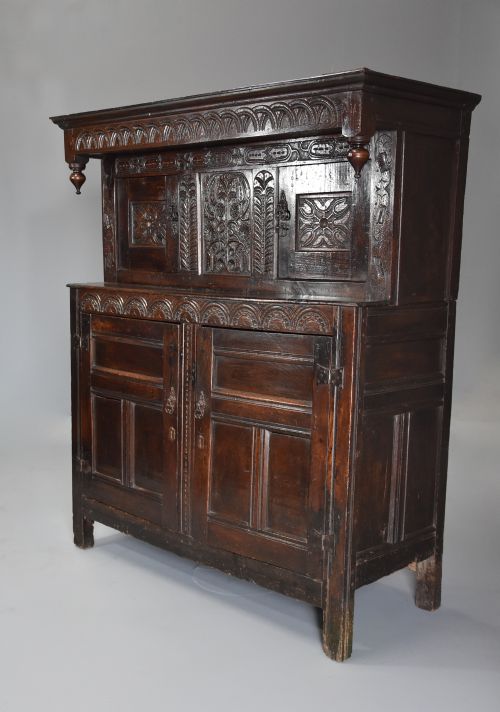

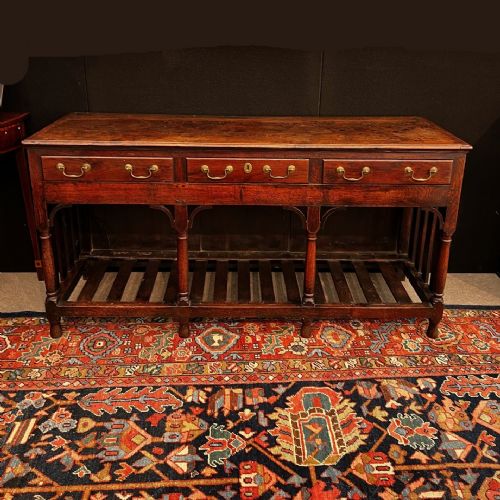
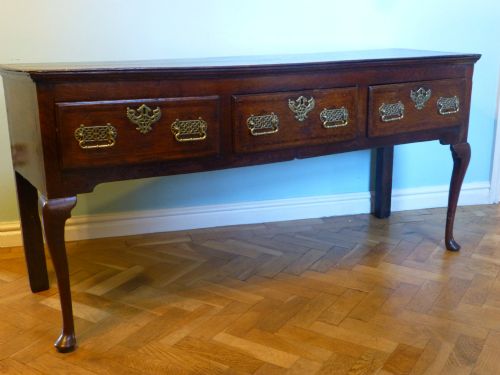


English Brown Sideboard
An English brown sideboard brings warmth and practical storage to a room through centuries of timber craft.
English Brown Sideboard
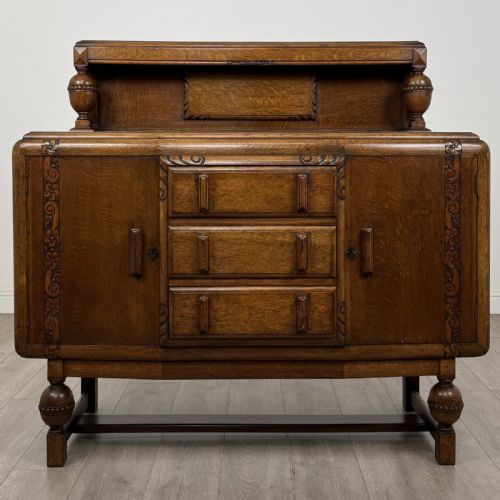
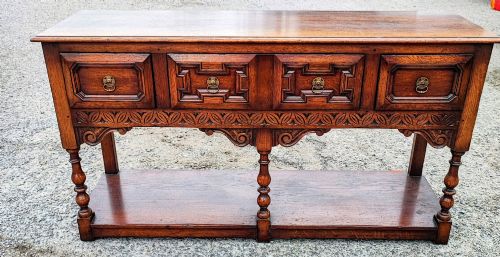
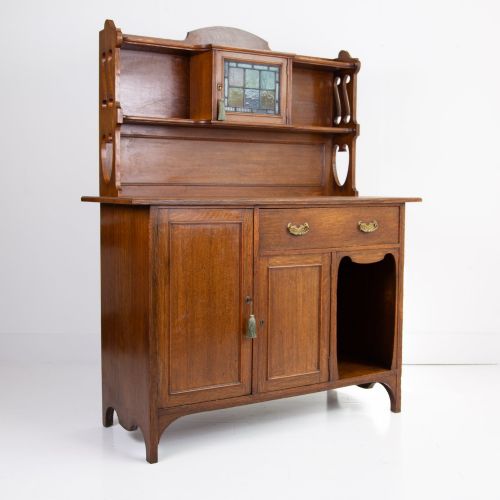
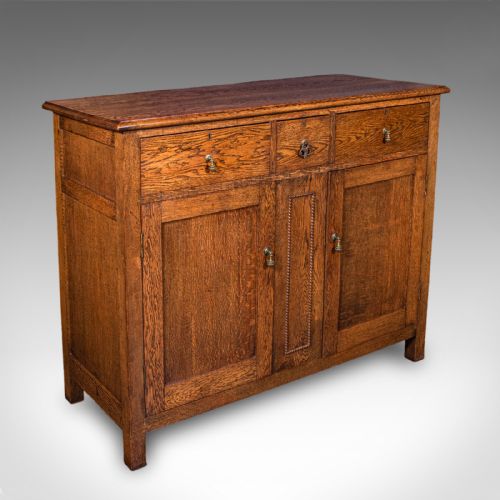
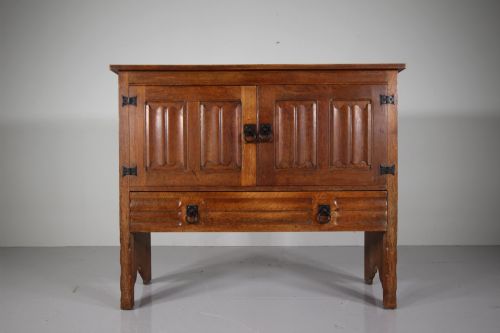
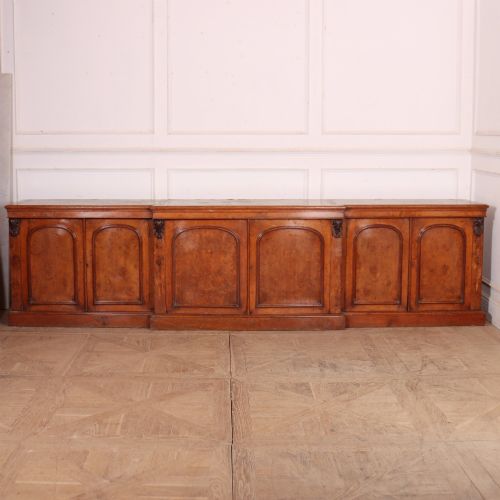
When you search for an english brown sideboard, you encounter substantial serving furniture designed for dining rooms and large kitchens. These pieces range from Georgian oak dresser bases to Regency mahogany sideboards and Victorian walnut buffets, all built for utilitarian service and display.
The most common examples on this page are sturdy oak dresser bases and mahogany serving tables dating from the eighteenth and nineteenth centuries. These forms reflect the evolution of English domestic dining, shifting from simple country utility to formal architectural elegance.
Materials and Construction
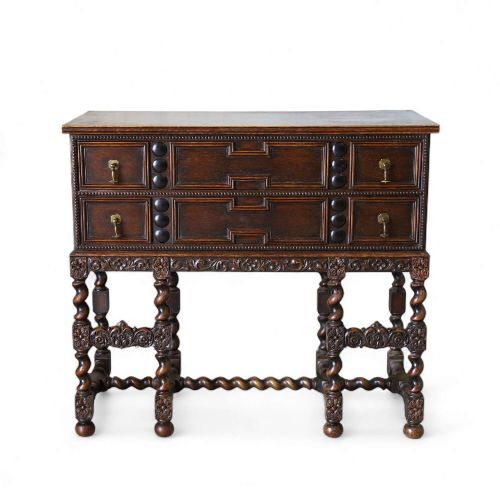
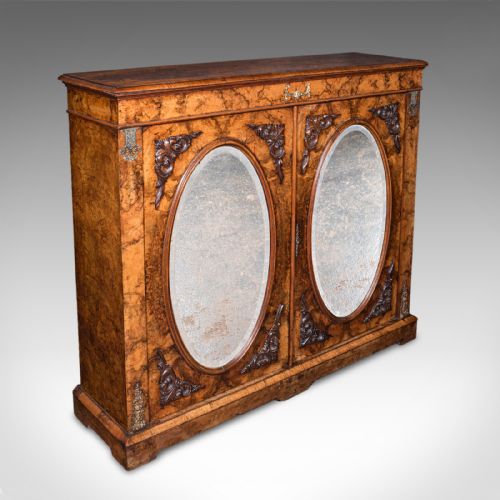
Makers relied on native and imported timbers, predominantly utilising solid oak, rich mahogany, and pine. Walnut, burr elm, and burr walnut appear in more decorative pieces, often enhanced with brass hardware or subtle ebony detailing.
Construction techniques combine sturdy mortise and tenon joinery with hand-cut dovetails for drawers. Many surfaces display carved ornamentation, such as barley-twist supports or subtle inlay, depending on whether the piece originates from a rural workshop or a metropolitan cabinet maker.
English Brown Sideboard Retail Price Guide 2026
Typical asking prices for english brown sideboard among the pieces listed under this phrase on Sellingantiques today, from the lower quarter to the upper quarter. They describe what is for sale here now, not the wider market.
The listings on this page span the seventeenth, eighteenth, and nineteenth centuries, featuring oak, mahogany, walnut, and pine.
Distinctions in Quality
Quality rests in the selection of timber figures, such as the rich grain of burr walnut or figured mahogany, and the integrity of the original construction. Superior pieces maintain their proportional harmony, crisp carving details, and unaltered structural timber without extensive modern replacements.
The distinction between ordinary utility items and exceptional cabinet work lies in the refinement of secondary woods, the depth of the finish, and the preservation of authentic patination earned through long domestic use.
John Gregory London
The English Brown Sideboard Glossary
- Dresser base
- A low wooden sideboard fitted with drawers, originating from farmhouse and country house kitchens where food preparation and storage took place.
- Buffet sideboard
- A large serving cabinet designed to hold dining room silver and linen, frequently incorporating upper shelves or display compartments.
- Breakfront
- A cabinet front where the central section projects forward past the flanking cupboard doors, creating architectural depth.
- Patina
- The surface sheen and mellow colour developed by aged timber through decades of cleaning, handling, and exposure to light.
- Tunbridgeware
- A type of decorative woodwork utilising tiny mosaic wood tiles to form geometric patterns, often inlaid into cabinet doors.
English Brown Sideboard: Frequently Asked Questions
What is an english brown sideboard used for?
These pieces provide substantial storage for dining rooms, housing tableware, linen, and serving dishes within deep drawers and enclosed cupboards.
Their flat upper surfaces also serve as traditional serving areas during meals or display spaces for decorative ceramics and lamps.
How do I identify a Georgian sideboard?
Georgian pieces typically exhibit restrained classical proportions, straight or serpentine fronts, and rich mahogany or oak surfaces supported on tapered or cabriole legs.
They often feature hand-cut dovetail drawer construction and subtle brass hardware characteristic of the eighteenth century.
Where were these sideboards made?
The majority originate from English workshops, spanning rural provincial areas as well as urban cabinet-making centres like London.
Regional variations appear in the choice of local timber, such as West Country oak or pine, compared to fashionable metropolitan mahogany.
How should I care for antique timber?
Keep wooden furniture away from direct heat sources and strong sunlight to prevent the timber from drying out or splitting.
Apply traditional beeswax periodically to nourish the surface and maintain the natural lustre of the wood grain.