


English Brown Armchair
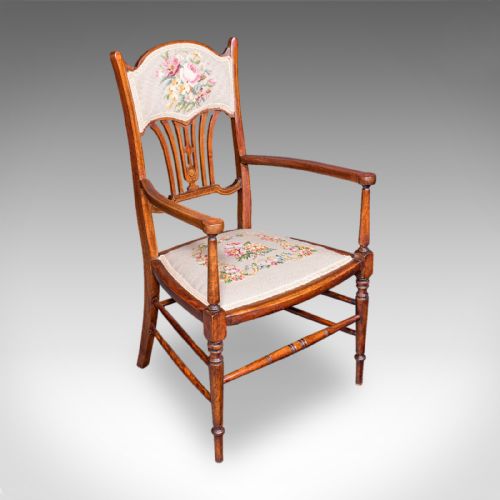
An english brown armchair brings centuries of vernacular craft and rich timber tone into a room.
English Brown Armchair
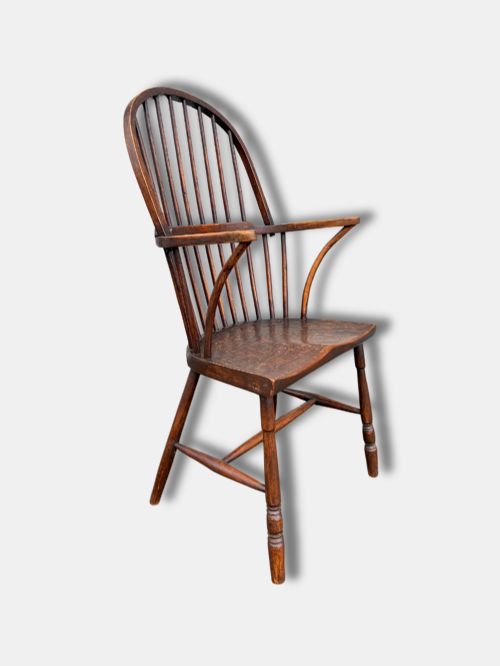
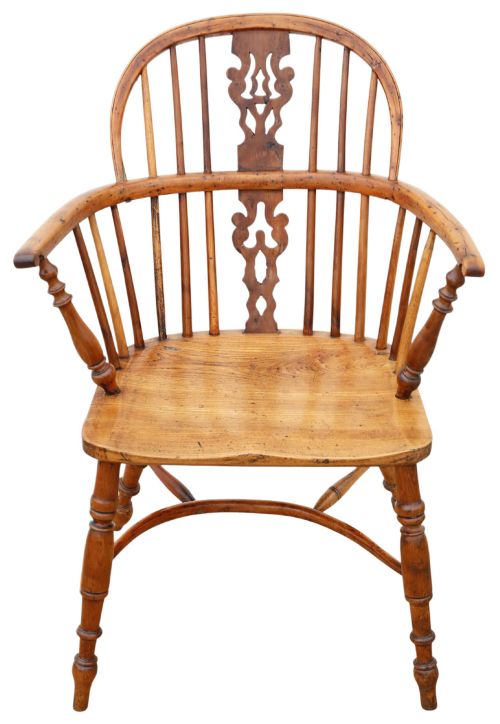
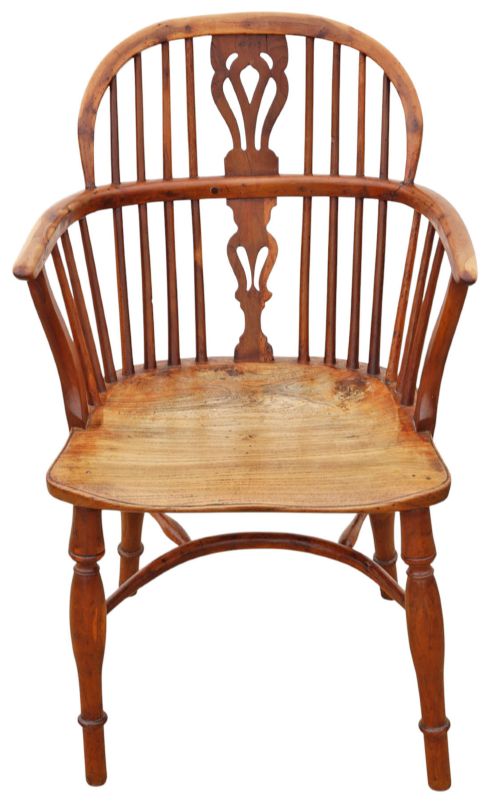
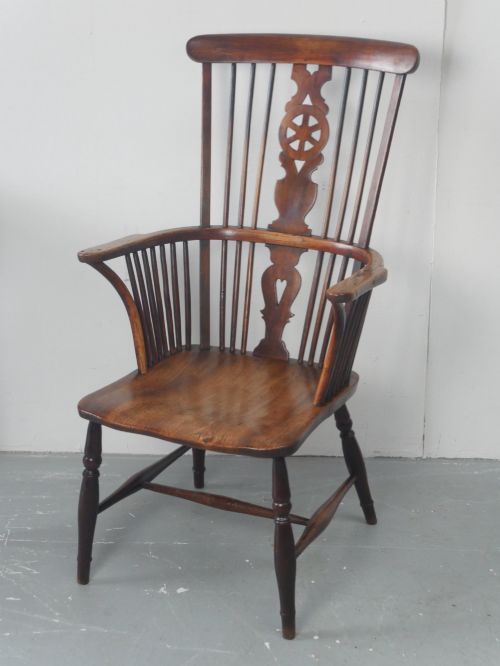
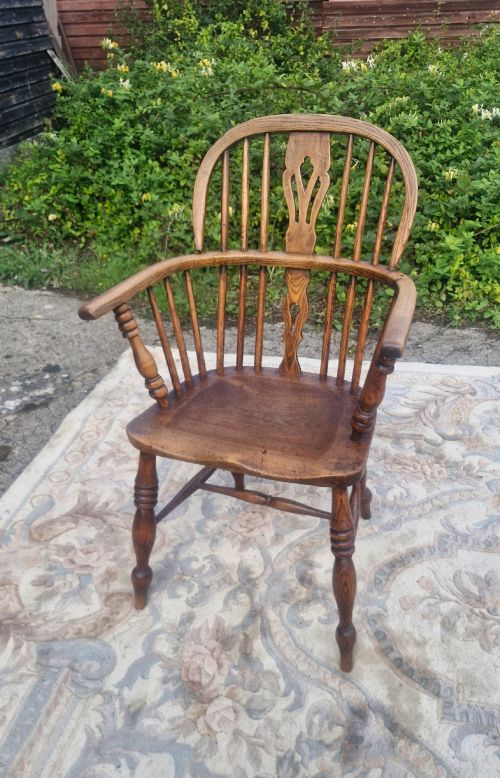
When searching for an english brown armchair, buyers encounter robust seating shaped from native hardwoods like elm, ash, and yew, often rooted in provincial workshops.
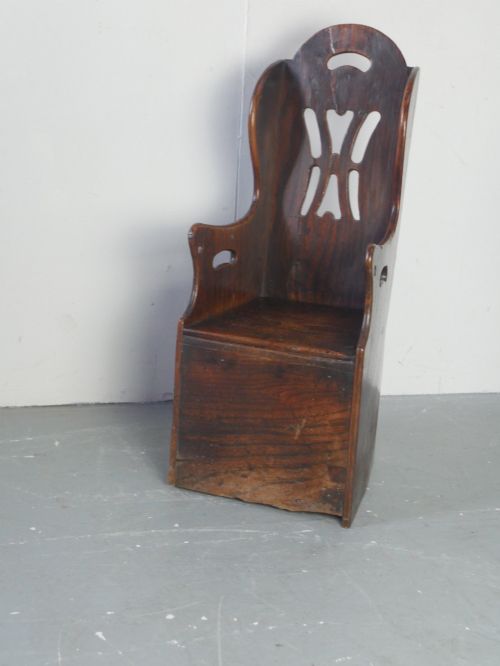
The selections span distinct periods ranging from eighteenth-century vernacular designs to Victorian Windsor chairs and library seating.
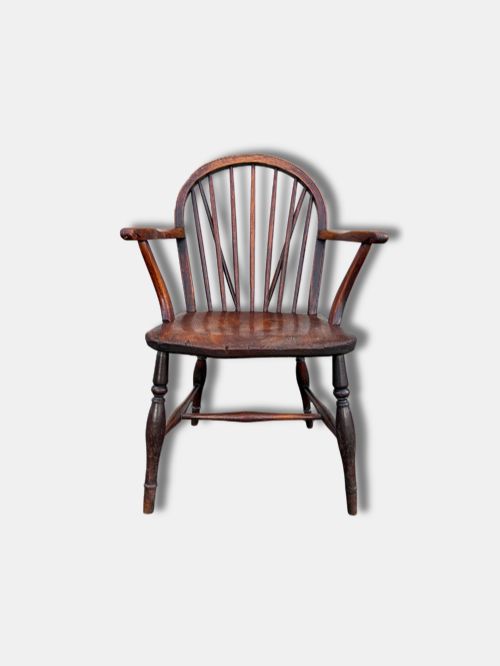
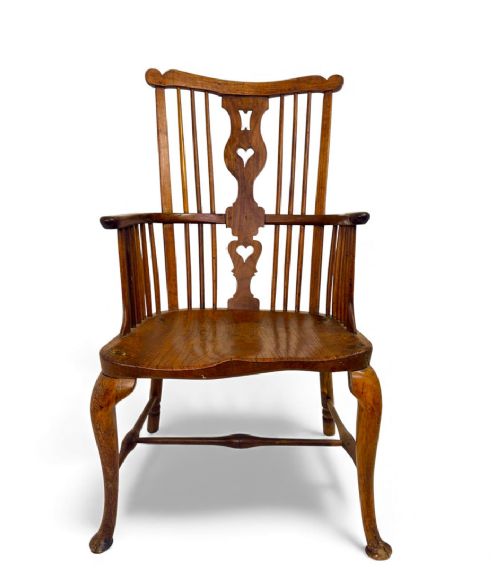
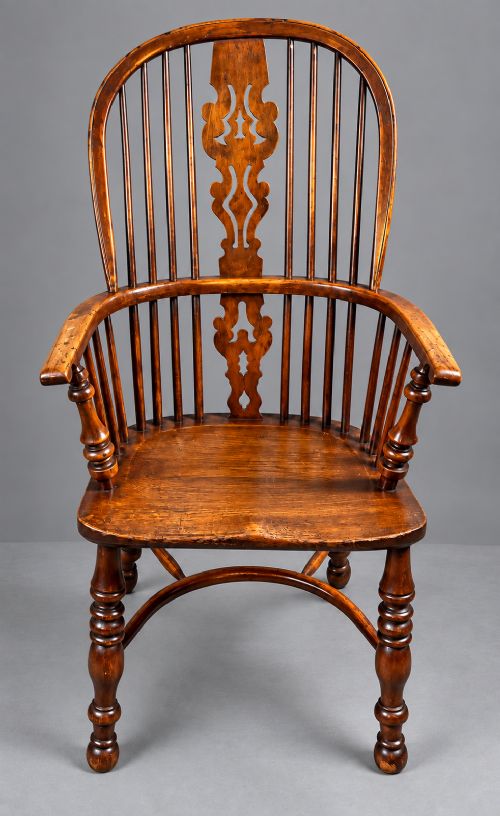
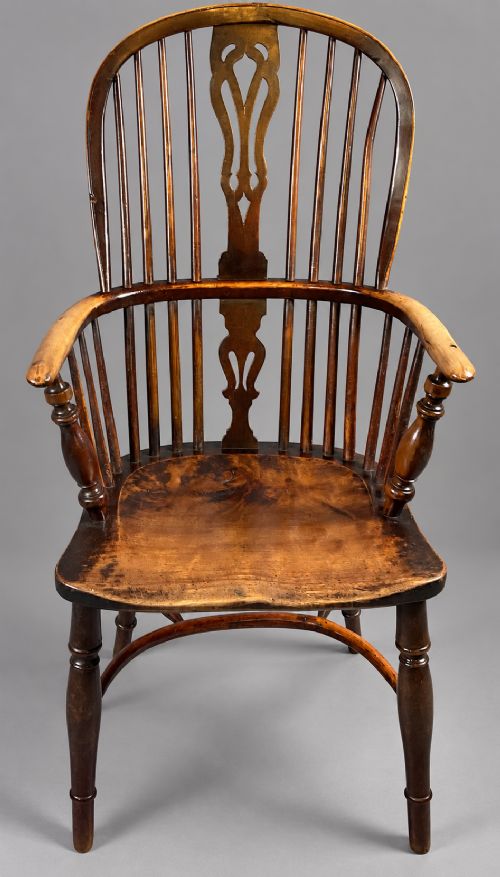
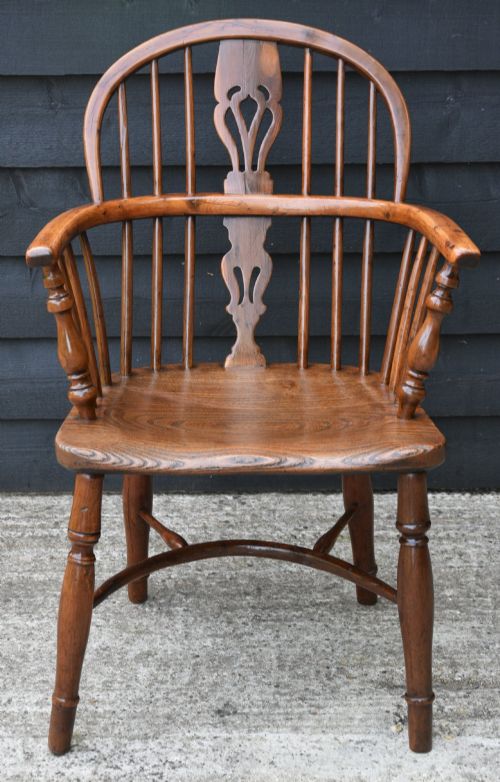
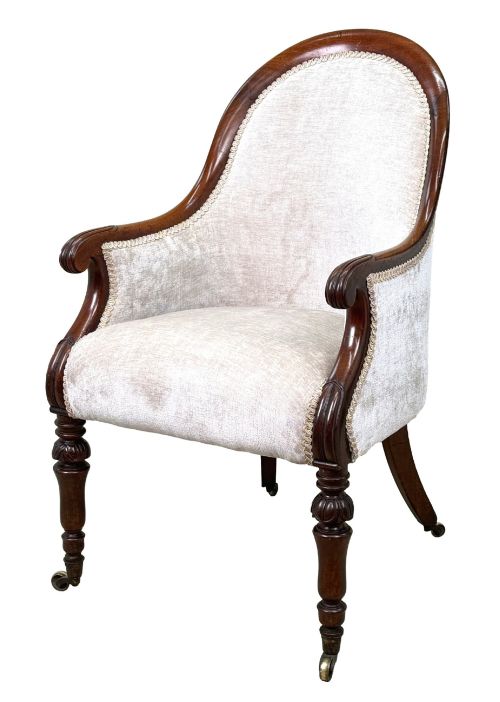
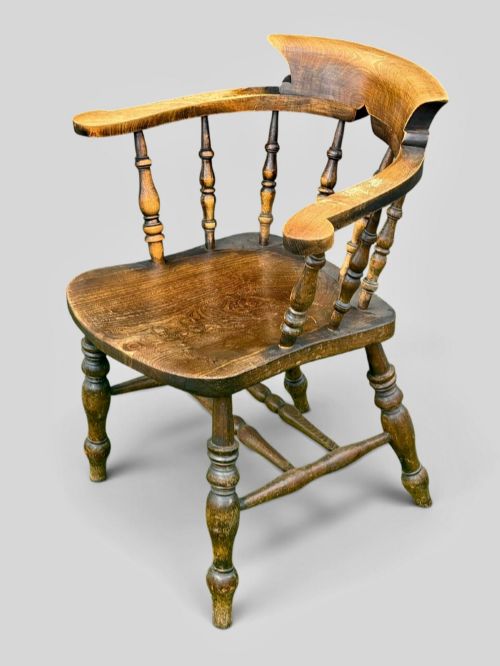
Forms vary widely from high-back Windsor armchairs and smoker's bows to heavy oak wainscot and leather upholstered library chairs.
Materials and Construction
Maker’s workshops utilised combinations of native timbers, frequently pairing resilient yew or ash frames with figured elm seats.
Traditional joinery relies on turned spindles, steam-bent hoops, and saddle seats carved deep for comfort.
Some provincial chairs bear old carpenter's marks or initials gouged underneath the seat by makers who clearly wanted future generations to know their hand.
Judging Quality
Distinction across pieces rests upon timber selection, grain figure, and the crispness of turned components.
Proportion and structural integrity separate standard utility seating from finer workshop productions.
Gabbitass of Worksop·J Spencer
The English Brown Armchair Glossary
- Windsor chair
- A wooden chair constructed with upright spindles inserted into a solid sculpted seat. The back and legs are secured by wedges or round tenons.
- Smoker's bow
- A low-backed Windsor armchair with a continuous curved arm rail and turned spindles, commonly found in nineteenth-century smoking rooms and inns.
- Wainscot chair
- An early seventeenth-century heavy wooden armchair constructed of panelled oak. These form sturdy architectural seating options from the Elizabethan era.
- Comb back
- A Windsor chair variation where the vertical spindles of the low back extend upward through a top rail to resemble the teeth of a comb.
- Vernacular furniture
- Objects built by local craftsmen using regional materials and traditional techniques without formal academic design oversight.
English Brown Armchair: Frequently Asked Questions
What is a Thames Valley Windsor chair?
A Thames Valley Windsor chair originates from workshops along the river valley, typically distinguished by generous proportions and Yew wood construction.
These pieces often display a characteristic comb back or hooped spindle arrangement paired with a deep elm saddle seat.
How do I identify a smoker's bow?
A smoker's bow is a lower-backed Windsor chair featuring a rounded, steam-bent arm rail supported by turned spindles.
They appeared frequently in nineteenth-century domestic settings and commercial spaces as robust, comfortable seating.
What woods were used in these armchairs?
Craftsmen relied primarily on native British hardwoods selected for strength and flexibility.
Yew, ash, elm, beech, and oak feature regularly across the regional country seating traditions.
Are these chairs comfortable for daily use?
Most examples incorporate sculpted wooden saddle seats designed to distribute weight effectively over long periods.
Their sturdy frame construction and ergonomic rake make them practical for sitting at desks or tables.