



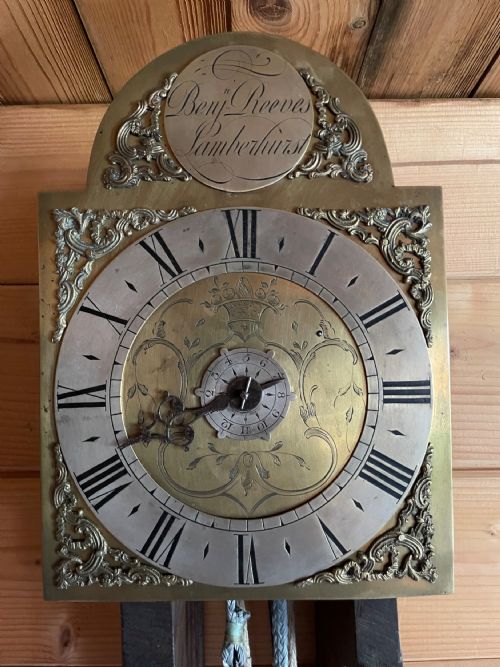


English Brass Weights
English brass weights are utilitarian metal objects that bring functional heft and rich period character to a modern interior.
English Brass Weights
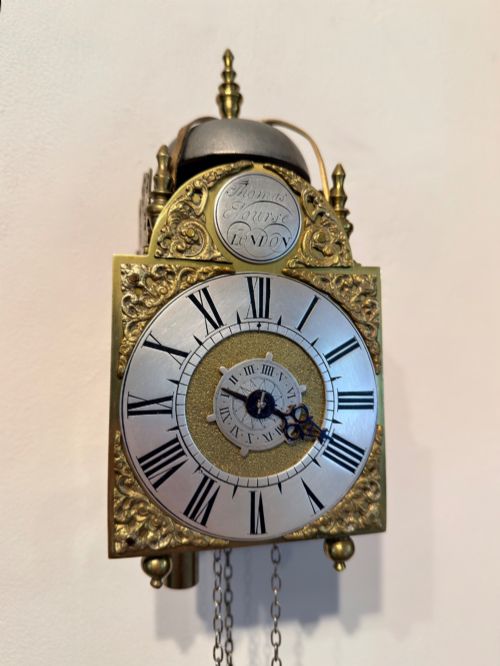
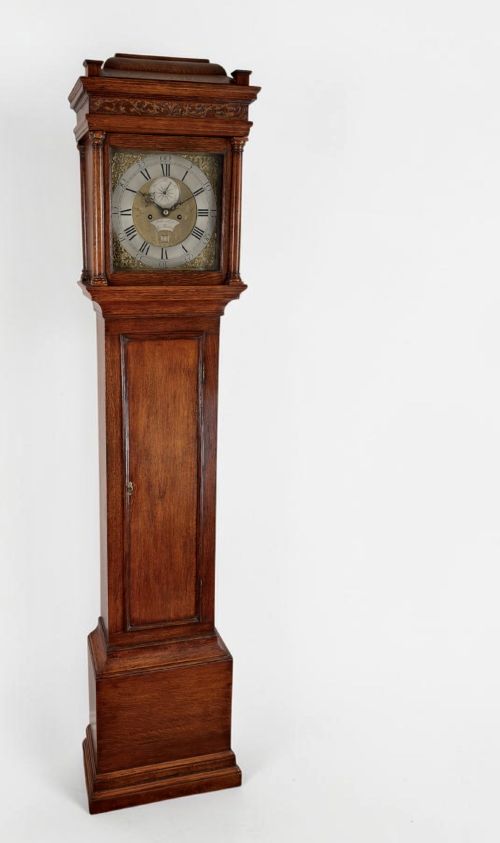
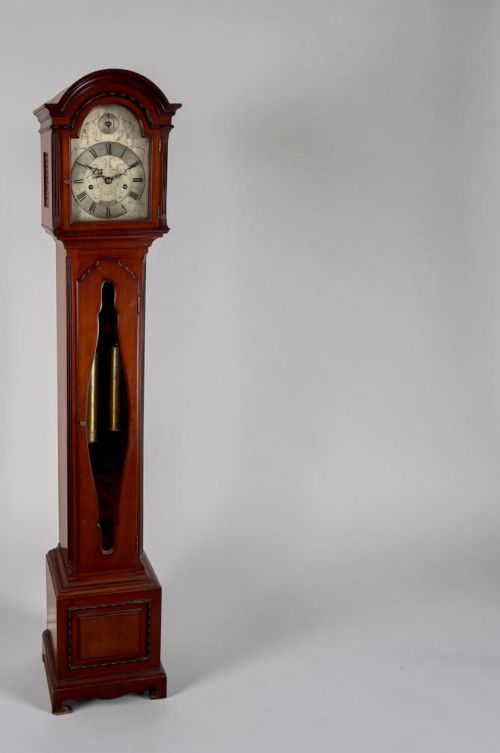
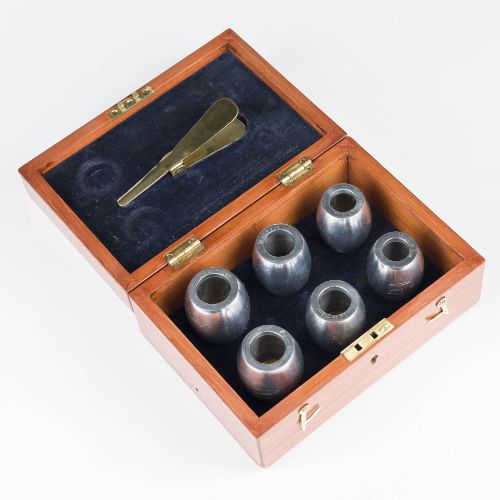
When you examine English brass weights, you are looking at practical objects produced across centuries of British manufacture, spanning the Georgian, Victorian, and Edwardian eras. While the broader listings contain diverse horological and domestic hardware items, the core examples reflect solid metalworking traditions designed for daily utility.
The objects appearing on this page encompass various forms fashioned from durable copper alloys alongside supporting materials like iron, steel, and wood. Buyers most frequently encounter these enduring pieces utilised in traditional settings to hold doors or mark time.
Materials and construction
The pieces recorded on this page rely primarily on cast and turned brass, often paired with iron or steel internal components to add necessary mass and structural stability. Workshops utilised traditional foundry techniques to pour molten metal into moulds before finishing the surfaces by hand.
Secondary materials such as oak and mahogany appear in fitted wooden elements, while lead is occasionally integrated to adjust overall heaviness. Artisans shaped these metals through basic forging, turning, and assembly methods suited to everyday functional hardware.
English Brass Weights Retail Price Guide 2026
Typical asking prices for english brass weights among the pieces listed under this phrase on Sellingantiques today, from the lower quarter to the upper quarter. They describe what is for sale here now, not the wider market.
Lord Nelson stands frozen in heavy metal, ready to guard a draughty doorway rather than command a fleet.
Assessing quality
Quality in these domestic items rests on the crispness of the casting and the weight of the metal used in production. Heavier, more densely poured metal denotes a superior object intended for rigorous utility rather than mass-market economy.
The refinement of surface finishing and the clarity of any maker marks or decorative detailing distinguish finer examples from plain utilitarian stock. Better pieces exhibit careful hand-polishing and well-proportioned forms that retain their structural integrity over centuries of use.
Gillett and Johnston of Croydon·De Grave Short and Co·John Spershott of Titchfield·Windmills and Bennet London·Peter Closon London·John Waller of Preston·William Barrow London·William Tonks·Henry Deykin Worcester·George Buckmaster Royston·William Clement of Totnes·Frederick Rowe·Wenham and Son
The English Brass Weights Glossary
- Brass
- A copper and zinc alloy valued for its corrosion resistance and golden appearance. This material forms the primary body of the items listed.
- Door porter
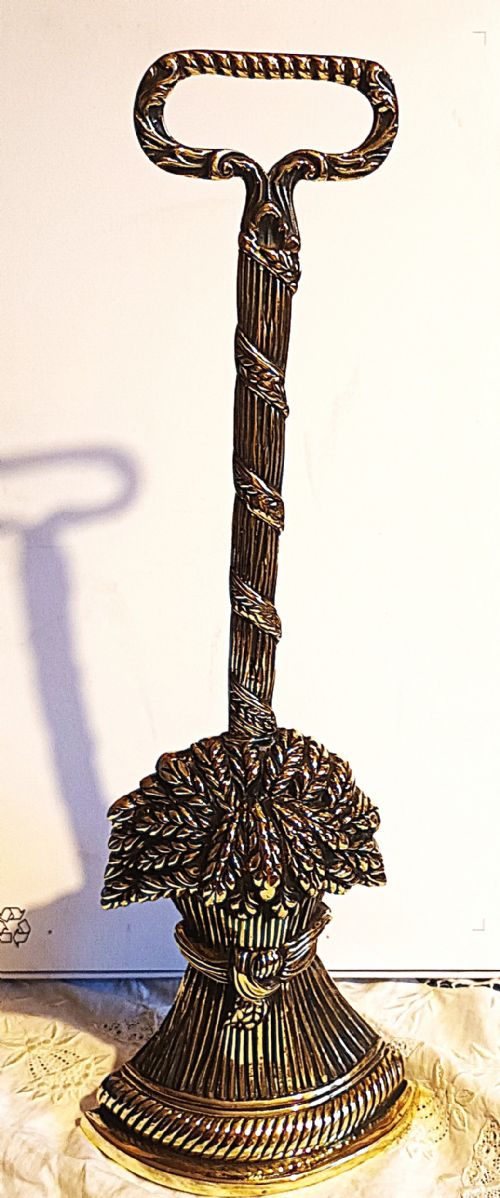
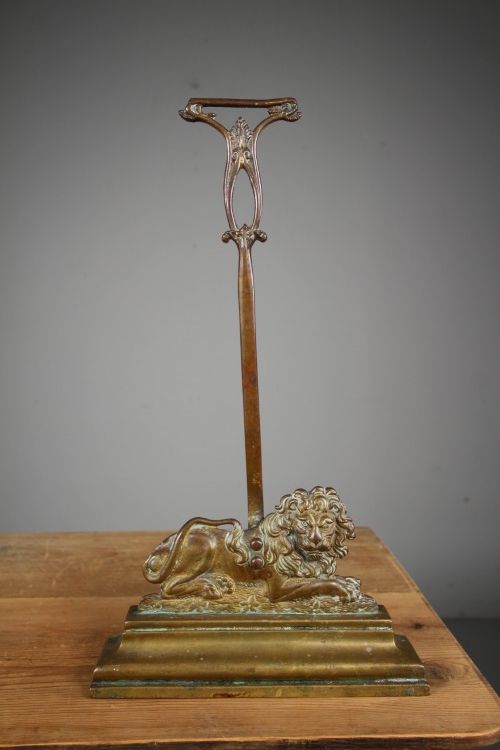
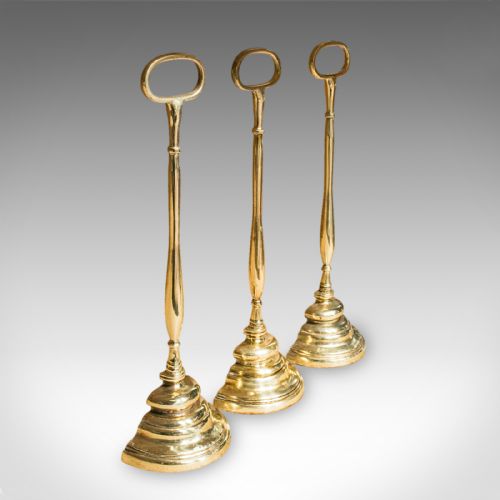
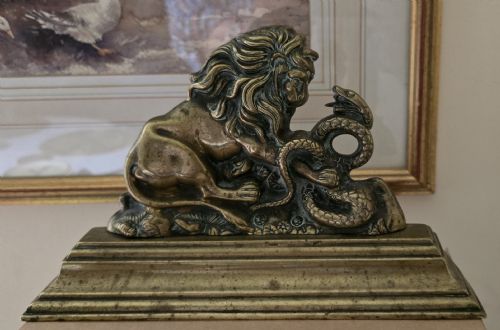
- A heavy portable device placed against a door to keep it open. These take various figural and architectural forms in cast metal.
- Verge escapement
- An early mechanical regulating mechanism used in clocks. It controls the release of power from the drive train.
- Dial
- The visible face of a timekeeping device where hours and minutes are displayed. Dials often feature engraved numerals or painted markers.
English Brass Weights: Frequently Asked Questions
What are English brass weights?
These are durable cast metal objects produced in Britain during earlier centuries for commercial and domestic utility. They combine solid metal construction with practical utility.
While the inventory includes clocks and door porters, the fundamental material character remains consistent across the eras.
How were they used historically?
They served practical functions in homes, shops, and workshops to measure mass or control airflow through heavy interior doors. Their sturdy build suited demanding daily environments.
Many items operated as mechanical components within timepieces or as heavy doorstops to prop open timber panels.
How do I live with them?
Integrate these solid metal pieces into modern rooms as functional door keepers or tactile decorative accents on desks and sideboards. Their neutral metallic tones complement both traditional and contemporary spaces.
Occasional dusting and minimal polishing preserve the natural oxidation that develops over generations of handling.
How are different periods identified?
Periods are recognised through specific casting styles, manufacturing marks, and the evolution of mechanical forms from the seventeenth century onwards. Georgian and Victorian examples display distinct aesthetic cues.
Consulting recorded makers and regional casting traditions helps narrow down the date of production.