



English Brass Porter
An English brass porter holds a heavy door open with weight and presence, forged from durable metal to anchor a busy room.
English Brass Porter
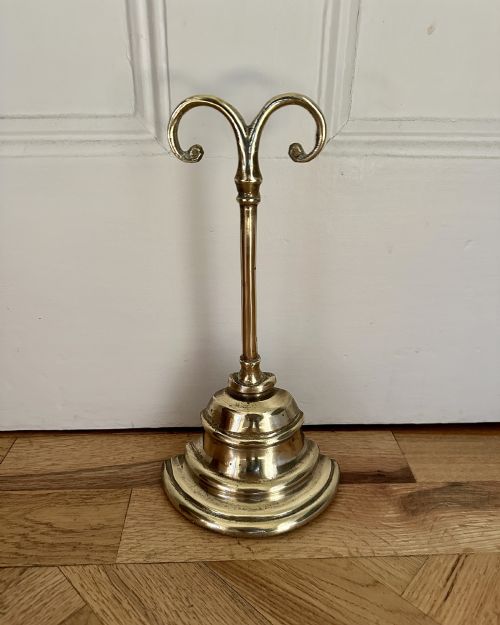
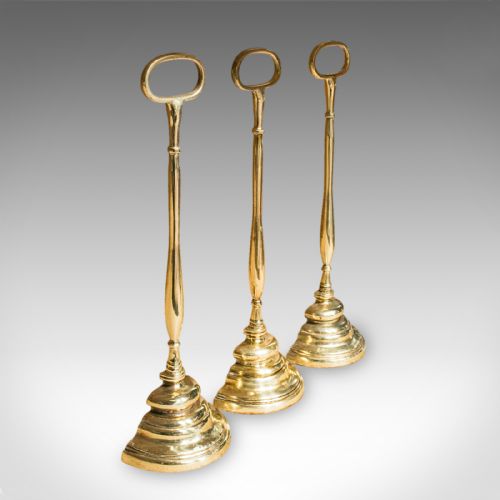
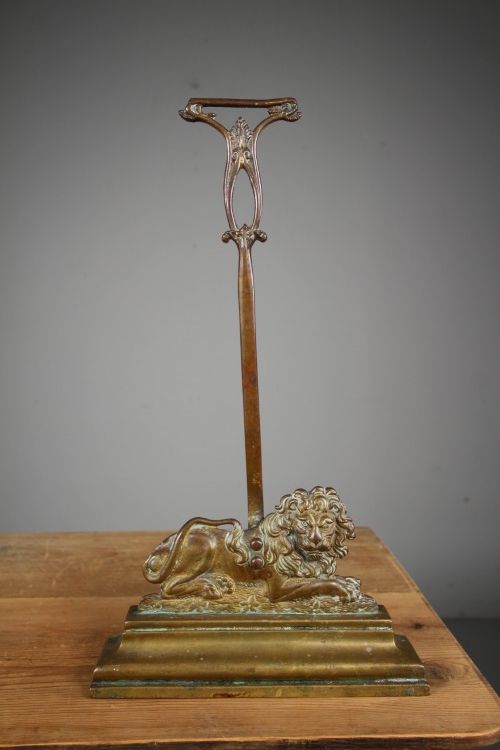
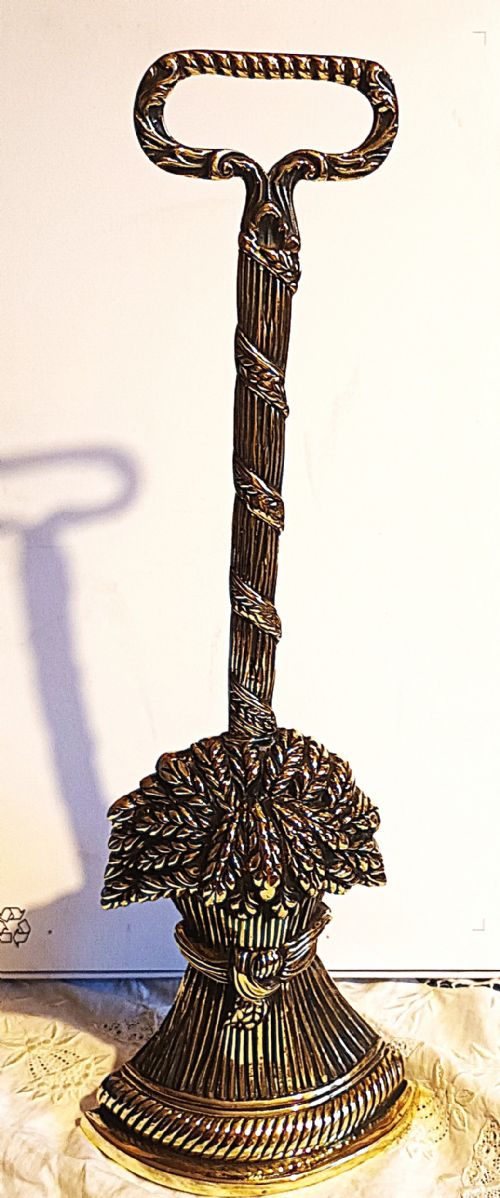
When you search for english brass porter, you are looking at heavy door stops designed to hold interior doors open in traditional homes. The form takes heavy metalwork and shapes it into figural subjects or functional handles for easy lifting.
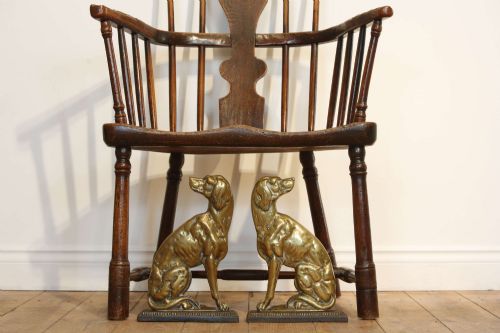
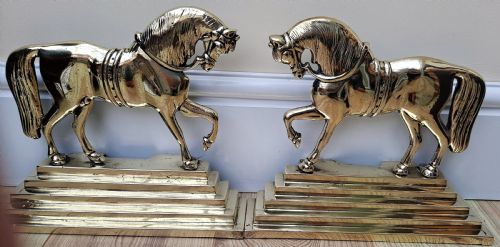
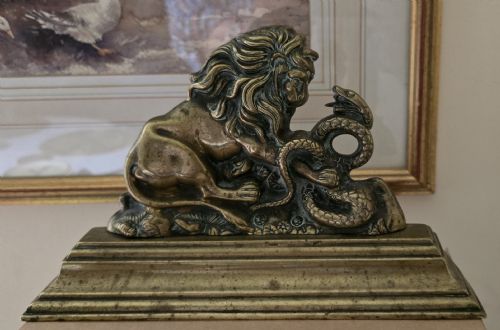
You are most likely to meet Victorian and 19th-century examples on this page, alongside Georgian, Late Regency, and Edwardian pieces. These heavy objects frequently appear as lions, horses, chimney horses, and historical figures like Lord Nelson.
The objects serve a simple domestic purpose while offering sculptural quality to a hallway or drawing room. Makers produced them in pairs as well as singles to suit the scale of grand doorways.
How they were made
Foundries utilised cast brass and cast iron to build the solid body necessary for holding open heavy timber doors. Lead often provided additional internal or base weight to ensure the piece remained firmly planted on the floor.
Molten metal poured into moulds created the detailed figural shapes of animals, serpents, and human portraits. Artisans then finished the metal surface by hand, cleaning the casting seams and polishing the brass to a warm metallic lustre.
English Brass Porter Retail Price Guide 2026
Typical asking prices for english brass porter among the pieces listed under this phrase on Sellingantiques today, from the lower quarter to the upper quarter. They describe what is for sale here now, not the wider market.
What varies in quality
Weight distribution and structural integrity separate robust examples from weaker ones. A substantial lead or iron core ensures the object performs its task properly without tipping under pressure from a heavy door.
William Tonks
The English Brass Porter Glossary
- Door porter
- A heavy weight designed to keep a door from swinging shut. These pieces often feature an upright handle for carrying.
- Chimney horse
- A traditional term for a door stop shaped like an equine figure. They frequently depicted horses associated with coaching or estate work.
- Cast brass
- Molten brass poured into a mould to set into a rigid shape. This technique allowed makers to produce repeating ornamental forms.
- Figural
- A description for items moulded into the shape of humans, animals, or mythical creatures. These designs added decorative character to functional hardware.
English Brass Porter: Frequently Asked Questions
What is an english brass porter used for?
An english brass porter acts as a heavy movable door stop to keep interior doors securely open. The upright handle allows a person to lift and shift the weight easily between rooms.
Historically, these pieces managed draughts in large homes by keeping heavy wooden doors fixed in one position. Today, they serve both a practical function and a decorative role in traditional hallways.
How do I identify the period of an english brass porter?
Dating relies on stylistic clues, such as the neoclassical severity of Late Georgian pieces or the ornate detail found in mid-Victorian designs. Examining the casting texture and the wear on the base also helps establish age.
Earlier pieces from the Georgian and Regency eras tend to show simpler, heavier lines. Edwardian examples often display finer surface finishing from later industrial foundry methods.
Are english brass porter pieces heavy?
These objects possess significant weight because they must hold heavy doors against draughts. Many examples incorporate lead or cast iron cores hidden within the brass casing.
This dense internal weight prevents the piece from sliding when a door presses against it. The sturdy loop handle on top makes lifting the heavy mass straightforward.
How should I clean an english brass porter?
Dust the surface regularly with a soft cloth to prevent grime from settling into the detailed recesses of the casting. Avoid harsh chemical cleaners that strip away the aged patina accumulated over decades.
If polishing is necessary, use a mild brass cleaner applied sparingly with a cloth. Many collectors prefer to leave the mellow oxidation untouched to preserve the historic character.