



English Beech Chairs
English beech chairs bring sturdy vernacular design and honest country craft straight into a modern interior.
English Beech Chairs
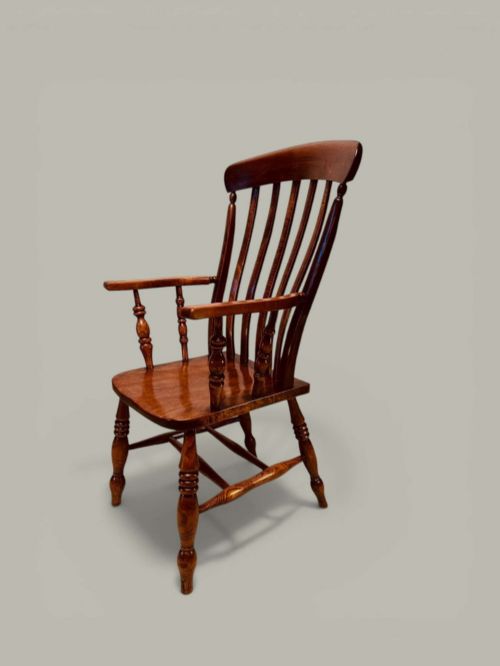
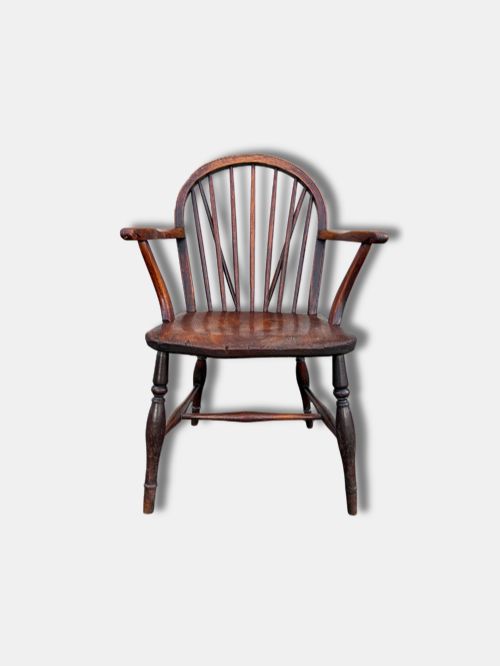
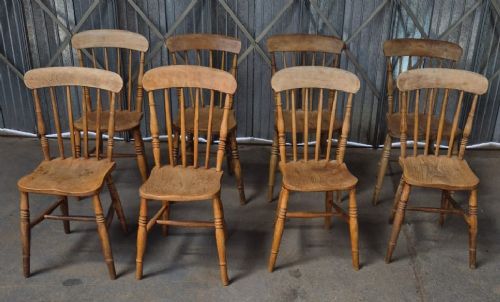
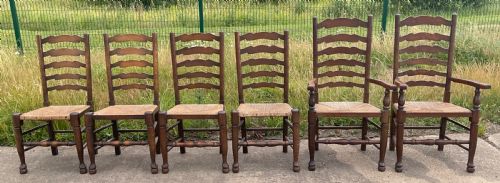
English beech chairs encompass a robust tradition of vernacular seating, ranging from kitchen Windsor forms to ladderback and smoker's bow designs. These pieces hail predominantly from the Victorian and Edwardian eras, alongside select examples from the 1920s and 1930s.
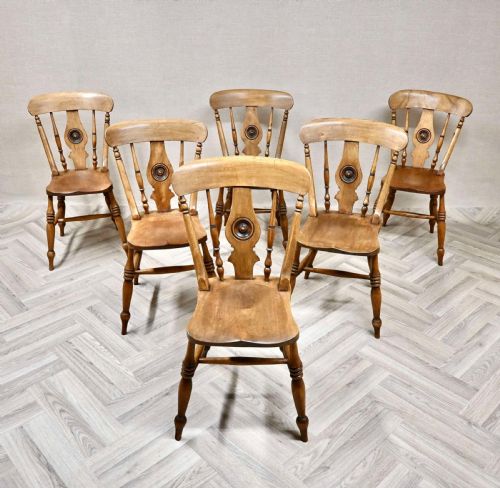
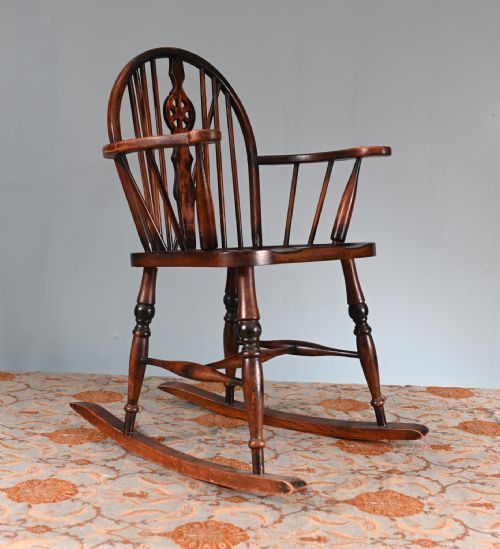
Buyers will most frequently encounter sturdy dining chairs, kitchen windsor armchairs, and sets of country seats constructed primarily from beech often paired with elm or ash. The selection on this page also includes occasional desk chairs, rocking chairs, and even a miniature specimen.
Makers utilised local woods to build functional furniture for everyday domestic use, resulting in regional variations like the Thames Valley windsor or Lancashire dining chairs. Such seating combines unpretentious utility with organic forms that suit both period and contemporary rooms.
Materials and construction
Makers paired dense beech frames with tough elm seats, ash spindles, and occasionally rush or woven tapestry to ensure structural longevity under heavy daily use. Turning lathes shaped spindles and legs, while steam bending created comfortable curved armrests and back bows.
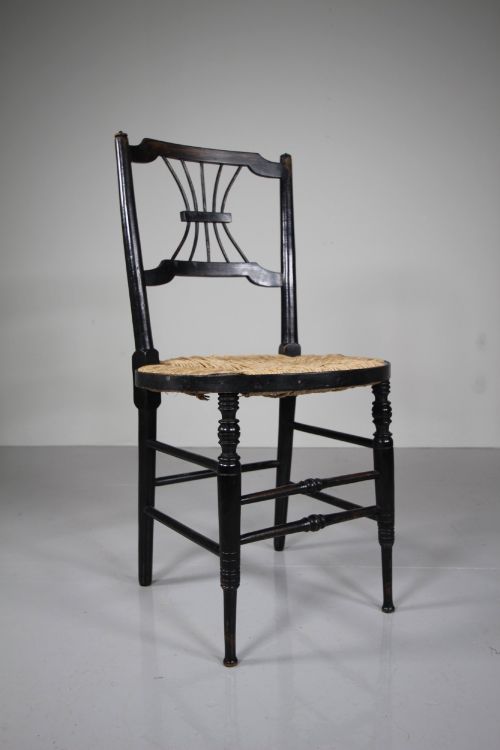
Traditional joinery methods such as wedged tenons and mortise joints held the components firmly together without reliance on metal fasteners. Ebonised finishes, brass details, and green leather upholstery appear on more formal or later office and morning room variants.
English Beech Chairs Retail Price Guide 2026
Typical asking prices for english beech chairs among the pieces listed under this phrase on Sellingantiques today, from the lower quarter to the upper quarter. They describe what is for sale here now, not the wider market.
Among full-sized dining and kitchen seats, a single miniature windsor chair waits quietly for a very small occupant.
Assessing quality
The distinction between standard utility seating and finer examples rests on the harmony of the timber selection and the crispness of the turned components. Sets that retain their matching proportions and original timber patination hold greater character than matched harlequin groups.
Construction integrity governs the longevity of these wooden seats, with tighter joinery and minimal replacement parts indicating superior original craftsmanship. The subtlety of the spindle shaping and the comfort of the saddle-shaped elm seats separate everyday kitchen chairs from more considered workshop pieces.
William Morris·Rossetti
The English Beech Chairs Glossary
- Windsor chair
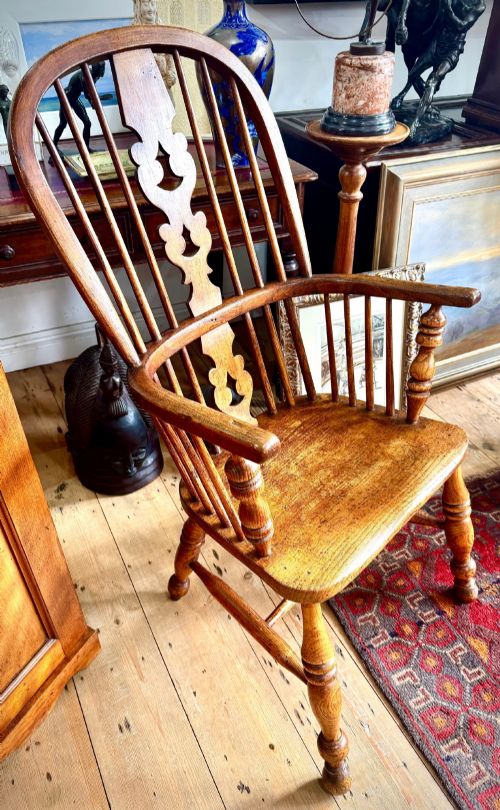
- A wooden chair built with a heavy solid wooden seat into which the legs and back spindles are separately bored and wedged. These vernacular seats often feature bowed backs and carved saddle seats.
- Smoker's bow
- A low-backed Windsor armchair featuring a continuous curved armrail supported by turned spindles. This form was widely used in country parlours and smoking rooms.
- Ladderback
- A chair style characterised by horizontal slats or ladders across the backrest between two upright posts. These traditional frames frequently accepted woven rush or cane seats.
- Carver chair
- An armchair, typically designed as the principal seat at the head of a dining table. They mirror the side chairs in a set but include supportive armrests.
- Turned timber
- Wood shaped on a lathe by rotating the piece against cutting tools to create cylindrical, decorative profiles. This technique formed the legs, stretchers, and back spindles of country chairs.
English Beech Chairs: Frequently Asked Questions
How were they used?
These chairs served daily functions around farmhouse kitchen tables, in studies, and within country parlours. Sturdily built, they withstood generations of heavy household activity.
Armchairs provided comfort by the hearth, while sets of dining chairs accommodated families and guests. Lighter desk and office variants supported administrative tasks in early twentieth-century workspaces.
How do I live with them?
English beech chairs integrate easily into contemporary dining rooms, kitchens, or studies due to their simple lines and warm wood tones. Mixing individual styles or incorporating a harlequin set adds organic character to a room.
Maintenance requires little beyond occasional polishing with appropriate wax to nourish the dry timber. Keeping them away from direct heat sources protects the original wood and traditional joinery.
How do I tell periods apart?
Victorian examples often display heavier turned components and deep elm saddle seats, reflecting robust country craftsmanship. Edwardian and later pieces frequently show lighter proportions, occasionally incorporating office mechanisms or arts and crafts influences.
Stylistic cues like bullseye motifs, wheelbacks, or ebonised finishes help narrow down the manufacturing decade. Comparing the turning profile and wood selection clarifies the chronological spread.