

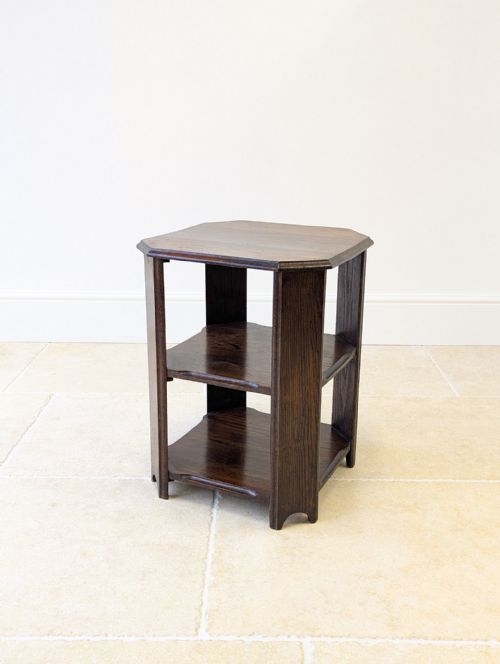
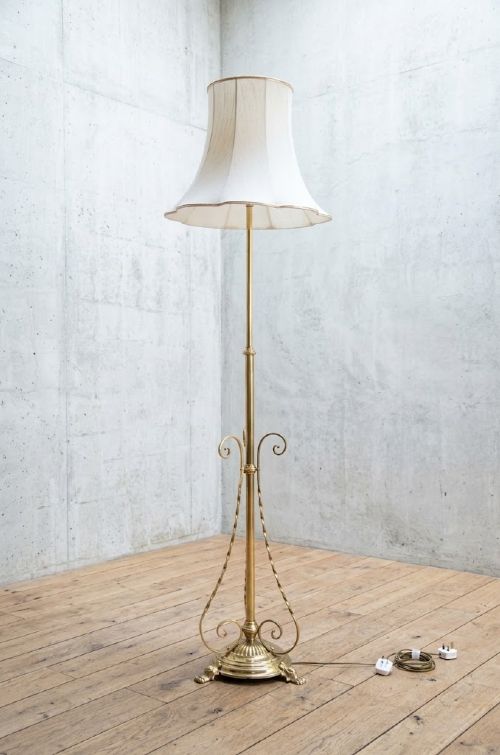
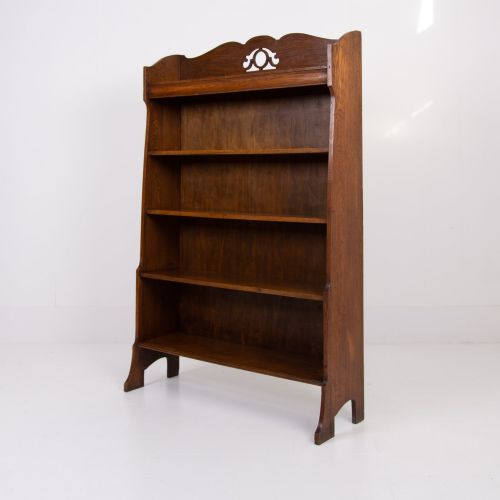
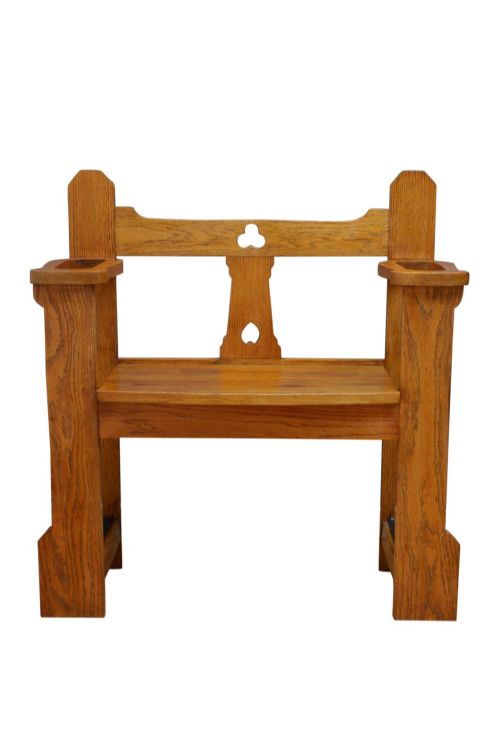
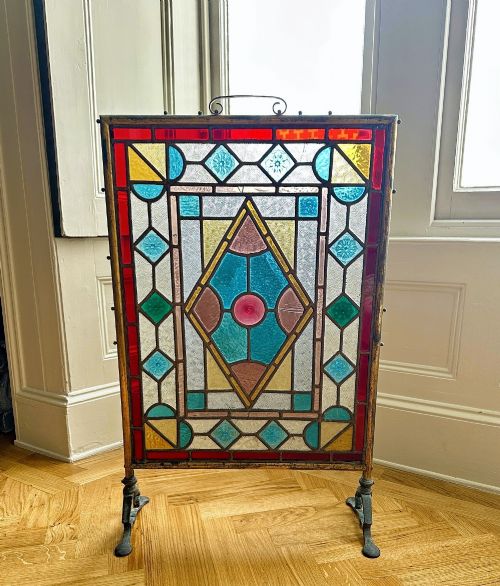


English Arts and Crafts Stand
An English arts and crafts stand brings honest construction and utilitarian design into a hallway or reception room.
English Arts and Crafts Stand
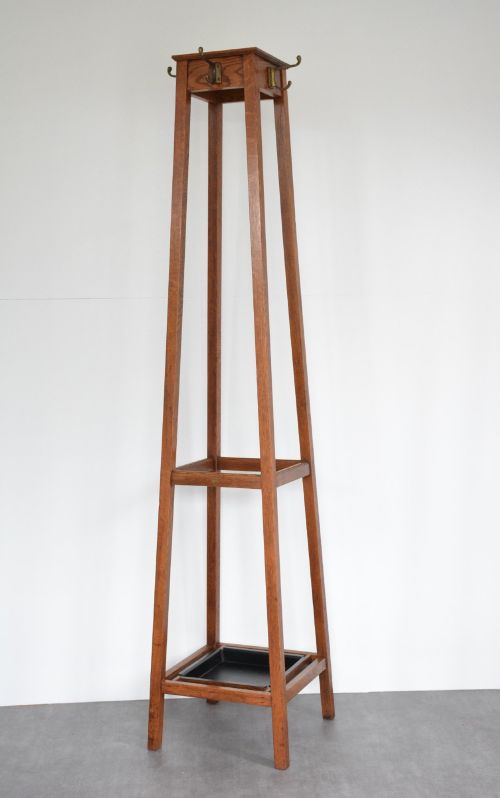
When you search for an english arts and crafts stand, you encounter pieces designed primarily for utility in hallways and reception spaces, spanning stick stands, coat stands, hall seats, and music cabinets. These items reflect the philosophy of the movement through solid timber construction and straightforward forms rather than superfluous ornamentation. The selection regularly includes oak pieces dating from the Victorian era through the early decades of the twentieth century, alongside occasional brass or copper examples.
Makers and designers of the period favoured functional domestic items that displayed the natural grain of the wood or the hand-beaten texture of metalwork. You find pieces ranging from narrow oak benches with coat hooks to sturdy umbrella and stick holders designed to withstand daily use. The stylistic crossover between Arts and Crafts, Art Nouveau, and late Victorian design means many items incorporate organic motifs or characteristic metal fittings.
The survival of these stands in daily service demonstrates the durability inherent in their original workshop production. Whether examining a simple side table or a combined hallway rack and stick stand, the focus remains on practical domestic service combined with solid craftsmanship. Collectors seek out these forms for their ability to anchor a hallway while providing genuine historical character.
Materials and Construction Techniques
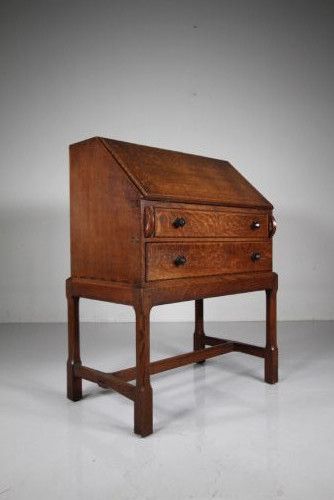
Oak dominates the timber construction of these pieces, selected for its strength and the pleasing grain visible across flat panels and structural framing. Workshops utilised solid planks rather than veneers, ensuring the furniture could endure the heavy wear associated with hallways and entranceways.
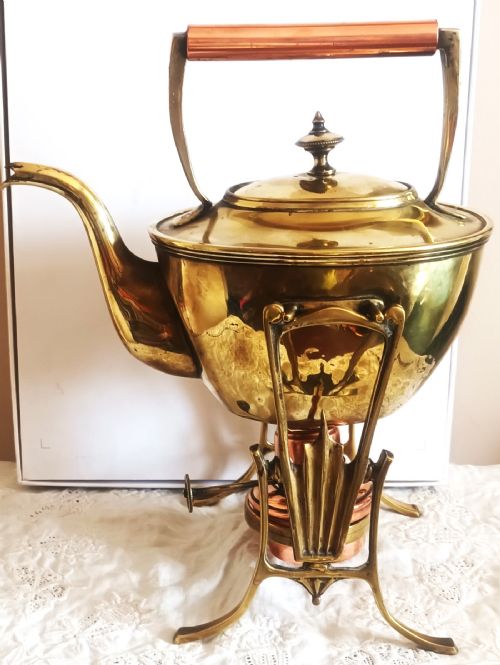
Metal elements such as brass and copper appear frequently, often shaped by hand-beating or worked into hinges, brackets, and drip pans for stick stands. These metals were chosen both for their functional resilience and for the warm tone they contributed to the domestic interior.
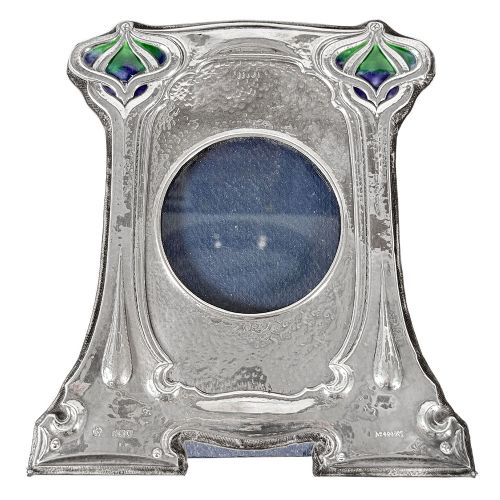
Secondary materials like lead, glass, and fabric integrate into specific forms such as firescreens or decorative frames, adding textural contrast to the primary wood and metal framework. Joinery methods relied on visible pegs, tenons, and structural integrity rather than hidden fasteners.
English Arts and Crafts Stand Retail Price Guide 2026
Typical asking prices for english arts and crafts stand among the pieces listed under this phrase on Sellingantiques today, from the lower quarter to the upper quarter. They describe what is for sale here now, not the wider market.
Listings feature items spanning from the Victorian era through the 1930s, constructed predominantly in oak, brass, and copper.
Assessing Quality and Execution
The distinction between standard commercial production and superior workshop output lies in the handling of materials and the integrity of the joinery. Finer pieces demonstrate careful selection of timber quarters and deliberate placement of hand-worked metal fittings that complement the overall proportions rather than appearing as an afterthought.
Design restraint separates the more successful pieces from heavier, purely utilitarian furniture of the period. The best examples achieve a balance between structural mass and linear elegance, particularly in narrow hall furniture where space economy matters.
Originality of surface finish and hardware significantly influences the standing of a piece within its type. Unaltered patination on oak and untouched patination on brass or copper indicate how the object has aged through the decades.
William Hutton and sons·Stanley Webb Davies·William Soutter and Sons·Benhan and Froud·Burmantofts Faience
The English Arts and Crafts Stand Glossary
- Arts and Crafts
- A design movement spanning the late nineteenth and early twentieth centuries that emphasised handcraftsmanship, simple forms, and traditional materials over mass production.
- Art Nouveau
- An international style of art and architecture prominent around 1900 that was characterised by intricate linear designs and flowing organic motifs inspired by natural forms.
- Faience
- Tin-glazed earthenware used in decorative panels or pottery inserts, seen in specific stands to provide a durable and colourful surface.
- Spirit Kettle
- A water heating vessel mounted on a metal stand above a burner, frequently produced in brass and copper by specialist metalworkers.
English Arts and Crafts Stand: Frequently Asked Questions
What defines an arts and crafts stand?
These pieces are practical domestic furnishings created to serve specific daily functions in hallways and rooms, prioritising honest construction and materials.
They rely on solid oak and worked metals rather than elaborate veneer work or applied ornamentation.
How do I care for antique oak?
Keep the wood away from direct heat sources and sudden temperature fluctuations to prevent the timber from splitting or warping.
Apply a traditional wax polish occasionally to nourish the surface and maintain the natural lustre of the grain.
Where were these pieces used?
Most items were designed for entrance halls, vestibules, and reception rooms where guests were welcomed into the home.
Their primary purpose was the orderly storage of outerwear, umbrellas, walking sticks, and hats.
How do I spot a later copy?
Examine the construction methods for machine marks, modern fasteners, and timber selection that lacks the age-appropriate patination.
Genuine pieces display tool marks and wear patterns consistent with decades of domestic service.