

English Arts and Crafts Oak
English arts and crafts oak brings honest construction and solid timber into domestic spaces, offering enduring utility alongside plain, purposeful beauty.
English Arts and Crafts Oak
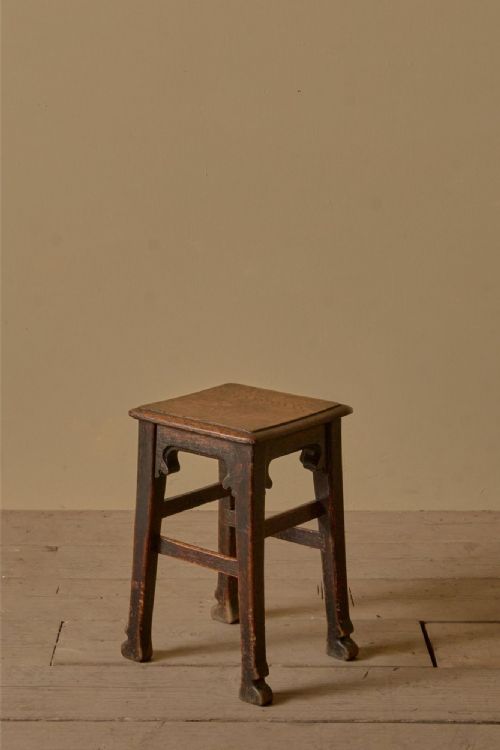
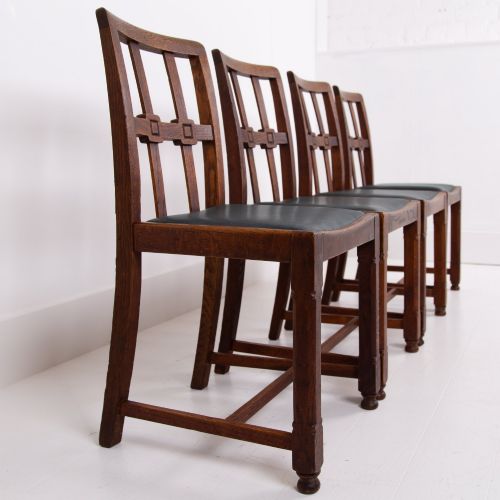
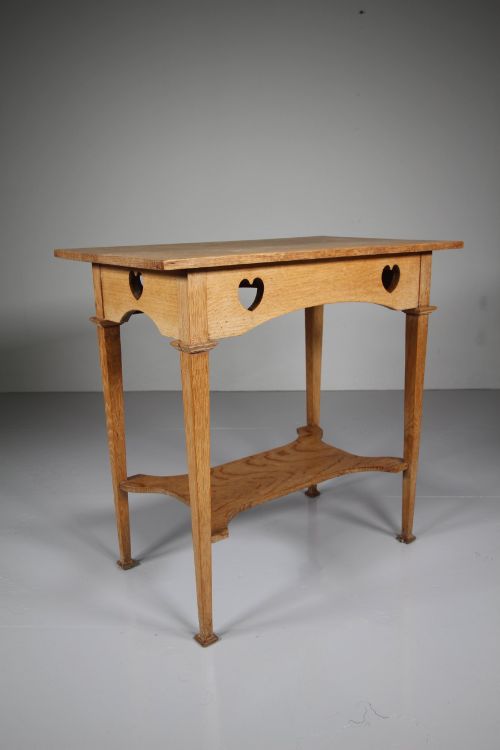
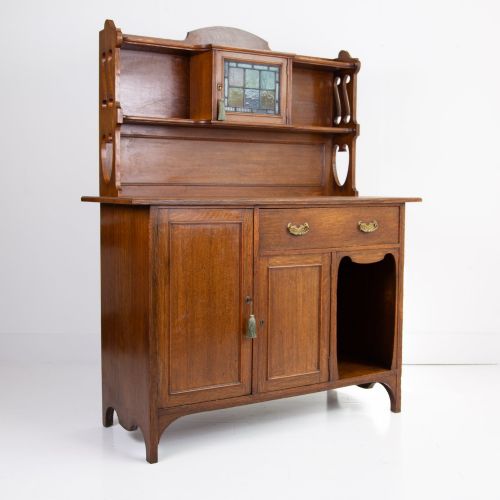
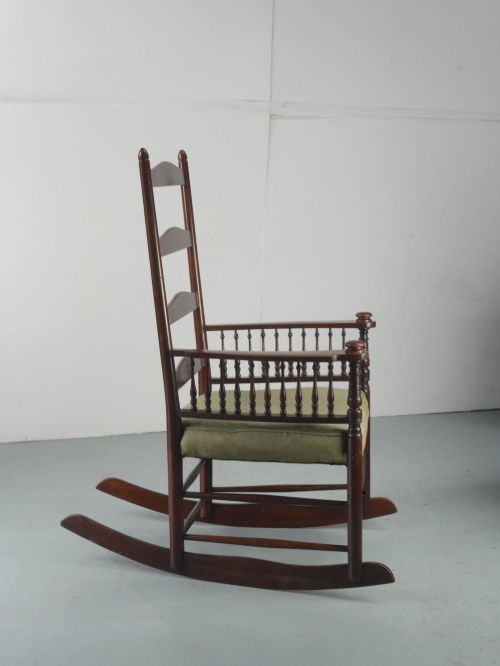
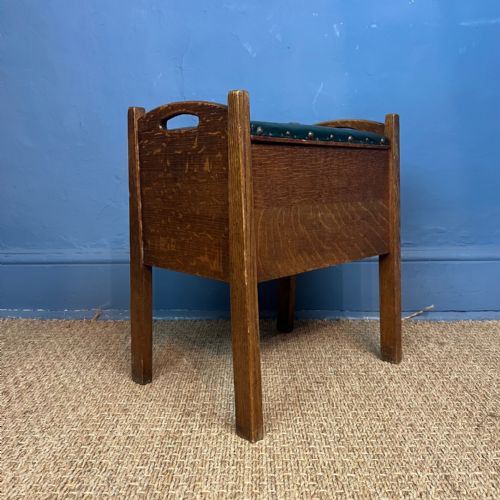
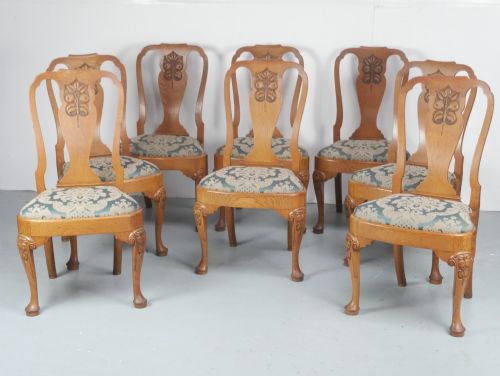
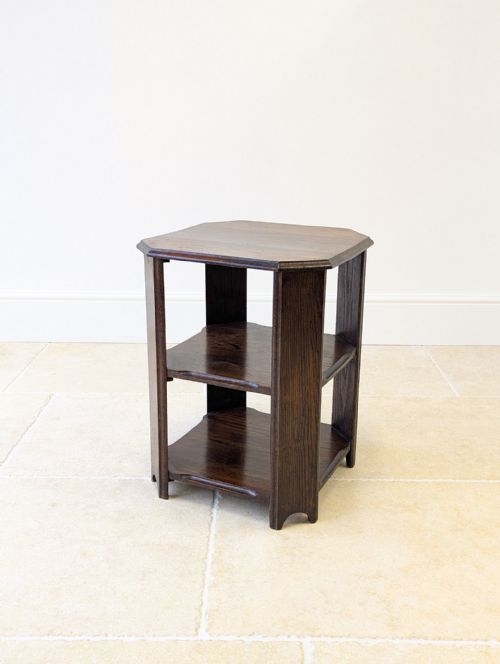
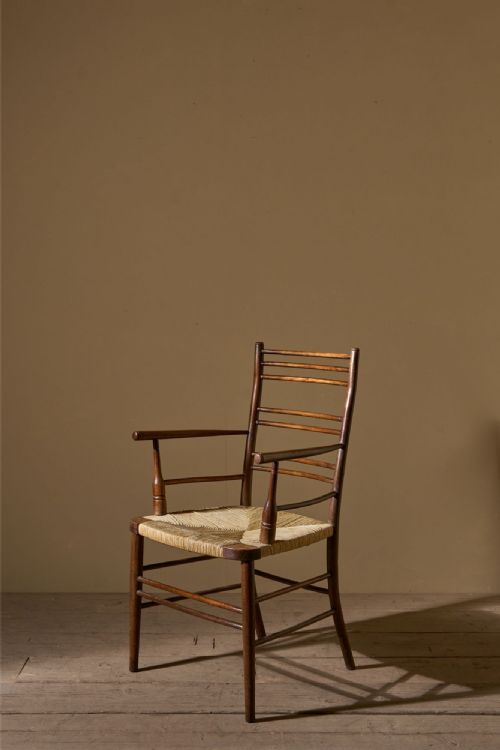
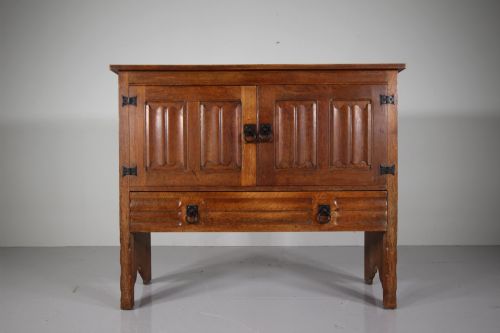
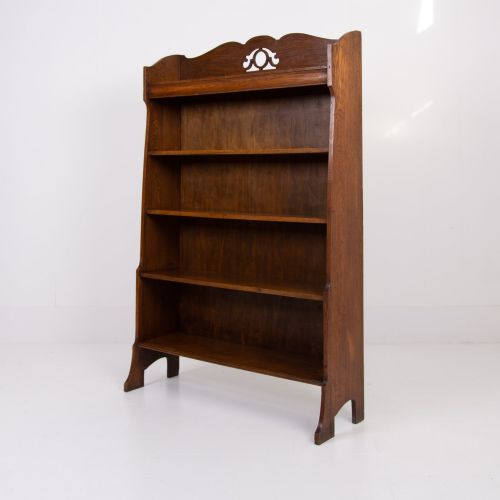
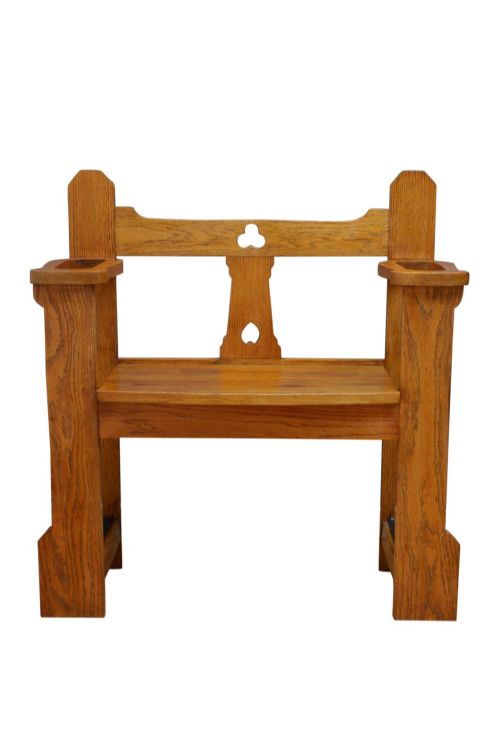
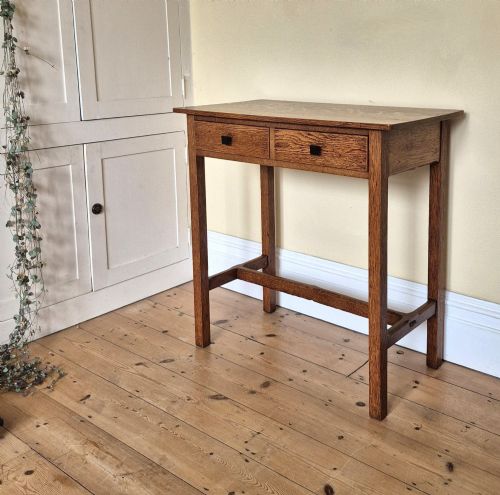
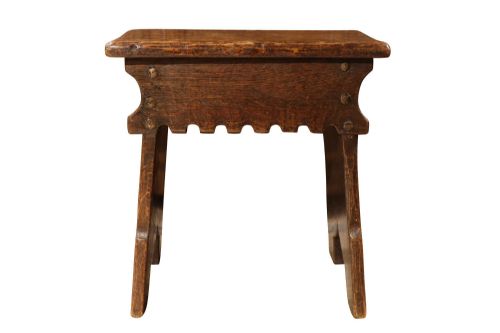
English arts and crafts oak encompasses a robust variety of domestic furniture and utility pieces, ranging from simple peg-constructed stools and side tables to substantial bookcases, dressers, and armchairs. These objects emerge predominantly from the late nineteenth century through to the middle of the twentieth century, bridging Victorian traditions and later twentieth-century studio workshops. Buyers encounter everything from compact hall seats and stationery boxes to expansive sideboards and writing desks.
The material focus centres firmly on native timbers, predominantly English oak and golden oak, often paired with practical secondary elements like rush seats, brass hardware, and leather upholstery. Forms adhere to a philosophy of utility and straightforward design, steering away from heavy Victorian ornamentation in favour of honest joinery and regional vernacular styles. Pieces frequently reflect rural workshops, school movements, and urban retailers sharing a common ethos of hand-finished production.
Materials and Technique
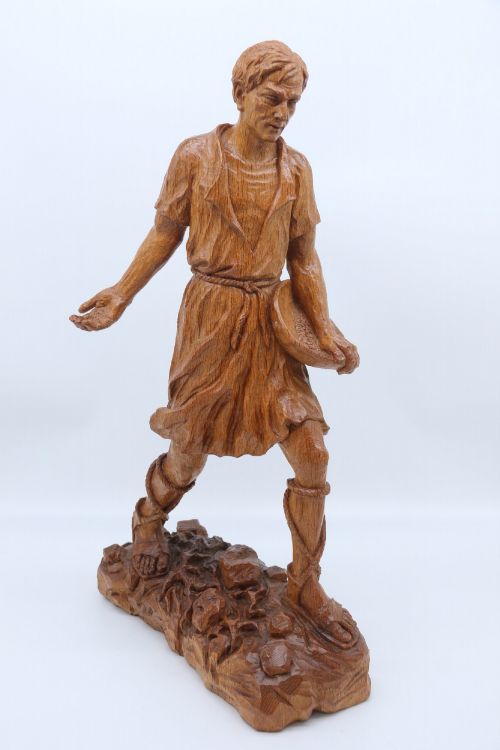
Makers rely heavily on solid English oak, selected for grain pattern and strength, frequently utilising pegged construction rather than hidden metal fasteners to hold joints together. Surfaces often display hand-carved details, visible tool marks, or simple waxed finishes that allow the natural character of the timber to remain prominent.
Supporting materials are chosen for practical endurance, incorporating rush for woven seating, brass and copper for hinges, handles, and coal keepers, and occasional leather for desk inserts or armchair upholstery.
English Arts and Crafts Oak Retail Price Guide 2026
Typical asking prices for english arts and crafts oak among the pieces listed under this phrase on Sellingantiques today, from the lower quarter to the upper quarter. They describe what is for sale here now, not the wider market.
Listings span from the late nineteenth century through the nineteen-fifties, featuring oak paired with brass, iron, rush, and leather.
Distinctions in Execution
Quality rests upon the integrity of the joinery and the selection of the timber, where visible peg construction and thoughtfully matched grain elevate an ordinary utilitarian object into a piece of considered design. The presence of workshop attributions, branded signatures, or documented provenance separates standard regional furniture from pieces produced by notable makers and schools.
Proportion and restraint define the upper tier of the range, distinguishing well-balanced items designed by prominent craftsmen from heavier, derivative commercial reproductions of the period.
Astrola·Stanley Webb Davies·Hubert Simpson·Heals of London·Newlyn·Robert Mouseman Thompson·William Birch·David Oakleafman Langstaff·Howard and Sons
The English Arts and Crafts Oak Glossary
- Pegged construction
- A method of joining wooden components using wooden pins or dowels rather than modern adhesives or iron nails, ensuring structural movement without splitting the timber.
- Cotswold School
- A twentieth-century design movement focusing on traditional hand-tool woodworking techniques, centred around rural workshops and independent makers.
- Rush seat
- A traditional seating surface woven from dried marsh rushes, commonly utilised on ladderback chairs and armchairs for texture and flexible support.
- Club fender
- A low fireside seat featuring upholstered top rails above an open metal or wooden base, designed to enclose the hearth.
English Arts and Crafts Oak: Frequently Asked Questions
How do I identify genuine arts and crafts oak?
Authentic pieces rely on visible, honest joinery such as pegged tenons, dovetail joints, and hand-finished oak surfaces rather than concealed machine assembly. Look for straightforward forms, an absence of excessive surface carving, and traditional materials like brass, copper, and rush.
Construction should feel substantial and purposeful, reflecting a design philosophy that values utility and material honesty above applied ornamentation. Regional variations and workshop signatures further help confirm the origin of specific pieces.
Where were these oak pieces originally used?
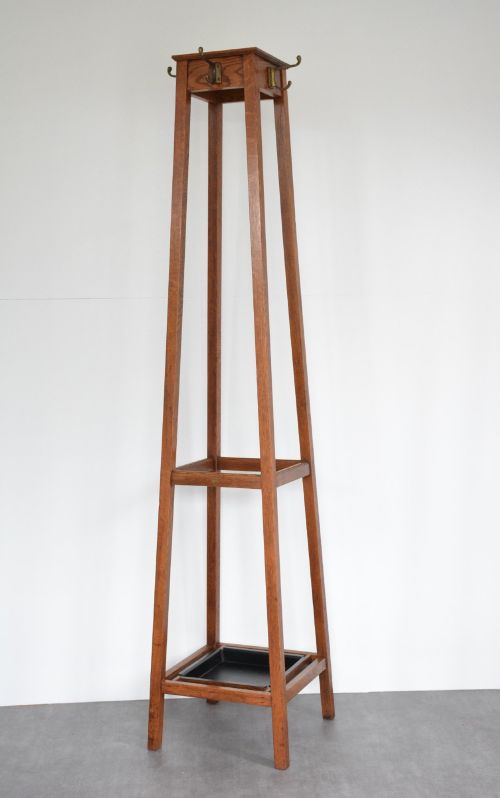
These items served functional roles throughout the Edwardian and Victorian domestic interior, populating reception halls, libraries, studies, and dining rooms. Bookcases, stick stands, and hall seats were tailored for everyday household organisation.
Larger furniture like dressers, writing desks, and cupboards provided practical storage and workspace for rural and townhouse settings alike. Their durable construction meant they endured generations of active domestic use.
How should I care for antique oak furniture?
Maintain the timber by applying natural beeswax sparingly and buffing gently with a soft cloth to preserve the finish without creating a synthetic buildup. Avoid placing pieces near direct heat sources or in fluctuating humidity to prevent the solid oak from splitting.
Allow natural light to age the timber evenly over time, as authentic oak develops a rich patina through gentle daily interaction and regular maintenance.
What is the difference between Victorian and later arts and crafts oak?
Late nineteenth-century pieces often retain heavier Victorian proportions and Gothic revival influences while adopting simpler construction methods. By the early twentieth century, designs championed by regional schools and workshops became lighter and more refined.
Later pieces lean towards understated planar surfaces, exposed pegged joints, and individual maker signatures, shifting away from mass-produced aesthetic revivals.