

English Console
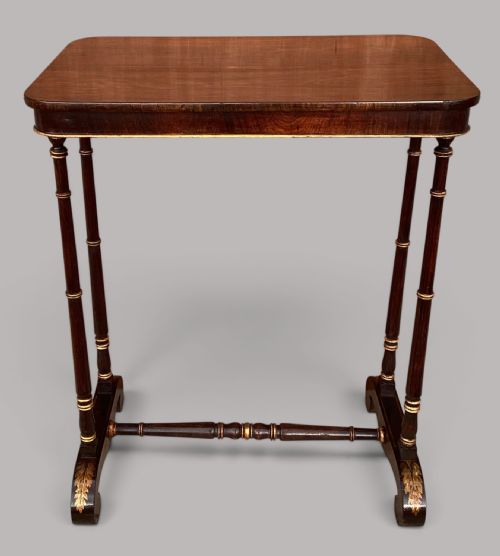
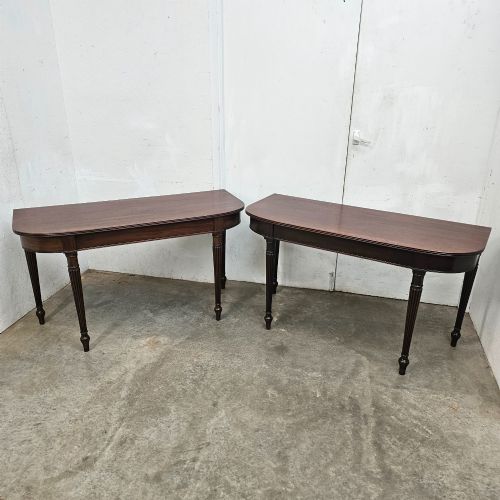
An english antique console brings structural elegance to a hallway or drawing room, offering a flat surface designed to stand against a wall.
English Console
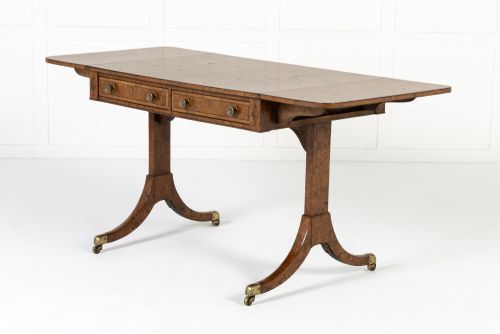
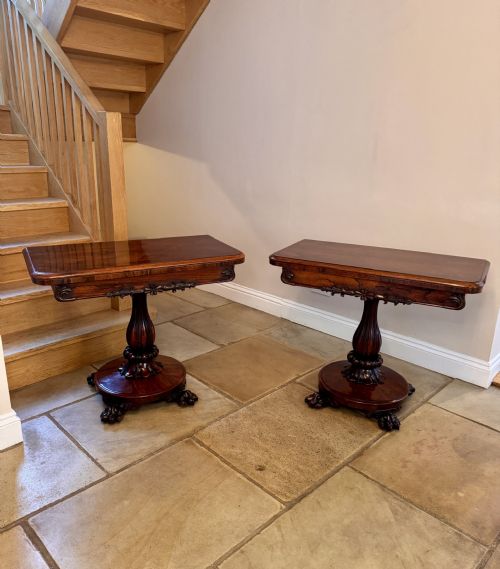
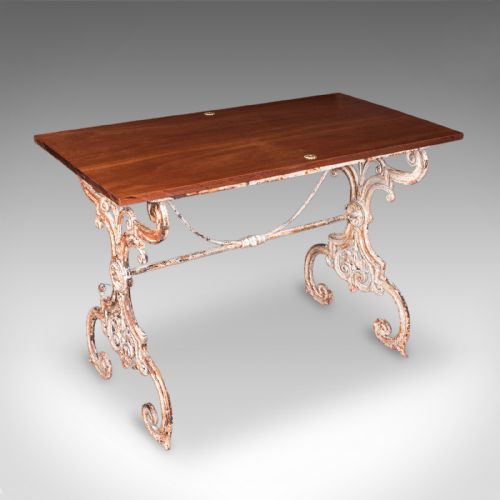
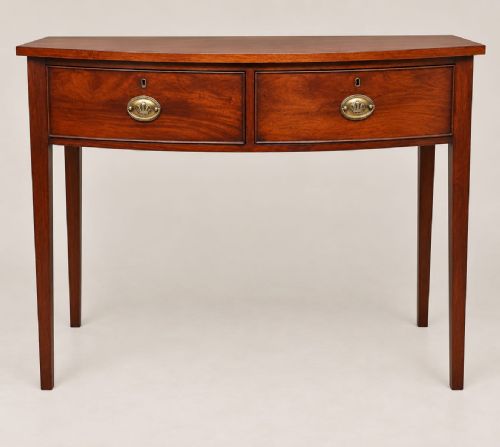
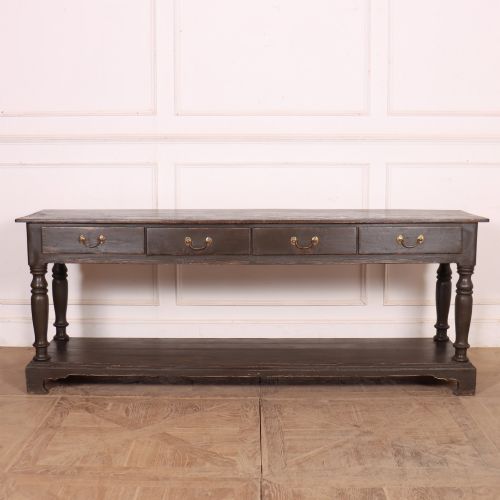
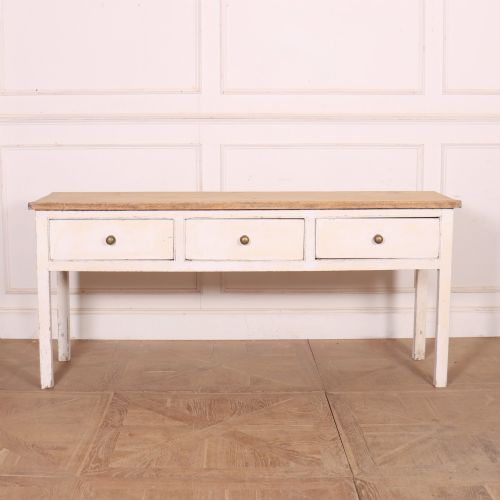
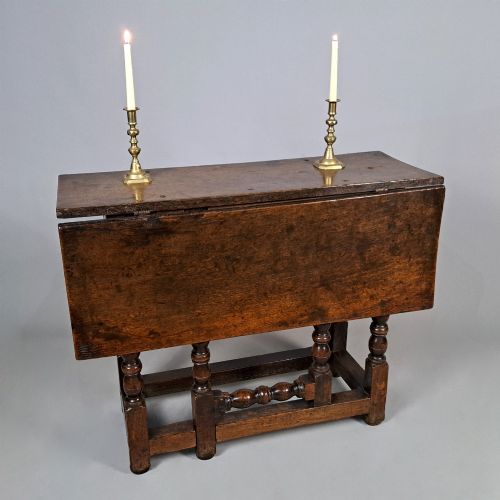
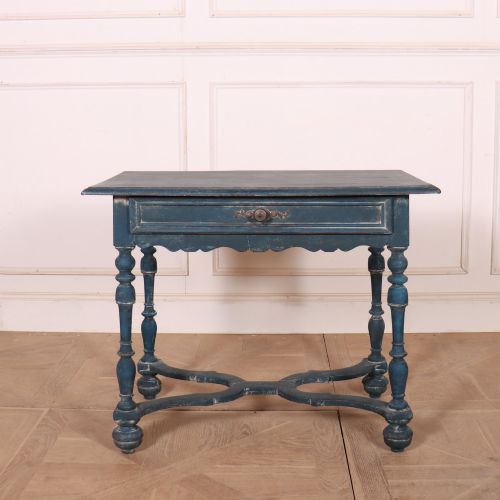
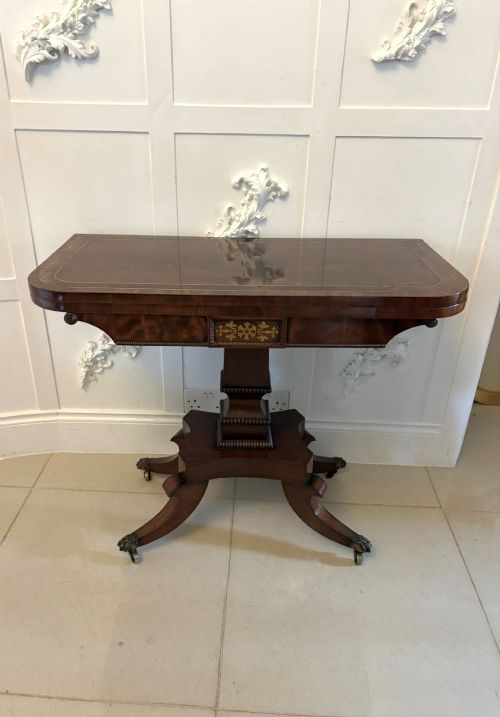
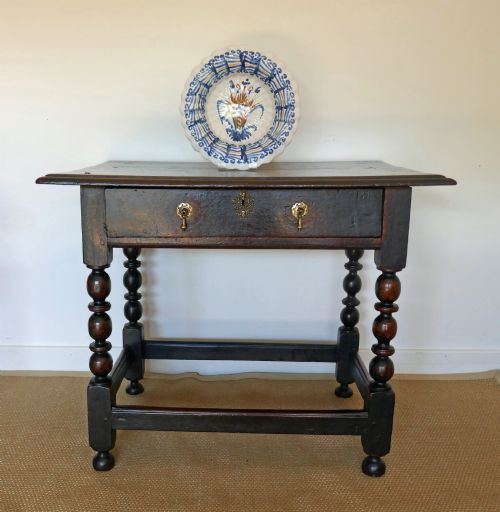
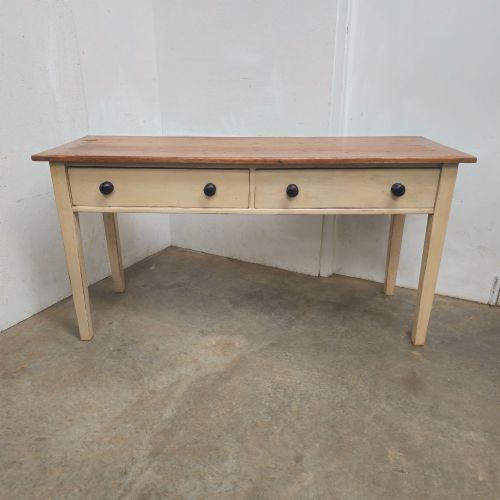
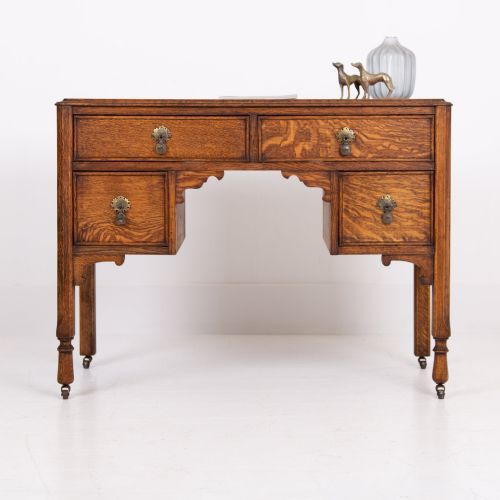
The versions most frequently met on this page include Georgian and Regency mahogany or oak examples, alongside nineteenth-century painted pine and dairy pieces. Many incorporate folding tops, drawers, or potboards, reflecting their domestic utility in historic English interiors.
Materials and construction
Carpenters relied heavily on native timbers such as oak, elm, and pine for early pieces, transitioning to imported mahogany and rosewood during the Georgian and Regency periods. Secondary woods like deal frequently form internal drawer linings and structural framing.
Surface treatments range from clear wax finishes highlighting figured walnut and herringbone inlay to original painted finishes on dairy and country furniture. Brass mounts, cast iron frames, and marble tops appear on select Regency and Victorian examples.
English Console Retail Price Guide 2026
Typical asking prices for english console among the pieces listed under this phrase on Sellingantiques today, from the lower quarter to the upper quarter. They describe what is for sale here now, not the wider market.
Dairy tables on this page survived centuries of splashing milk and morning cheese-making in cool English farmhouses.
Judging the standard of execution
Quality rests upon the crispness of carved details, the choice of timber figuring, and the integrity of the joinery. Tables featuring book-matched veneers or precise brass inlay separate ordinary utility pieces from high-style formal furniture.
Originality of surface finish and hardware dictates the standing of an item. Pieces retaining their initial patination, timber movement allowance, and period handles command greater regard than those subjected to excessive modern intervention.
Hubert Simpson of Kendal·Gillows
The English Console Glossary
- Lowboy
- A small oak or walnut table featuring one or more drawers, originating in the late seventeenth or eighteenth century. These pieces typically served as dressing tables or side tables.
- Potboard
- An open slatted lower shelf incorporated into the base of a dresser or serving table. This platform provided space for storing heavy ceramics and kitchen utensils.
- Demi lune
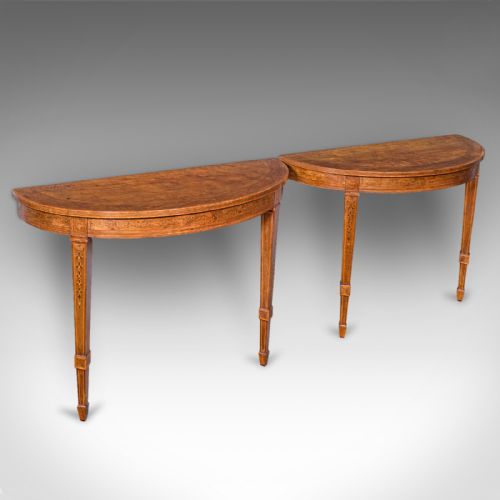
- A semicircular furniture form designed to sit flat against a wall. The shape gained popularity during the neoclassical period for side and card tables.
- Card table
- A folding table designed for gaming, featuring a hinged top that opens to reveal a baize-lined playing surface. Many examples include a concealed well for cards and counters.
- Pembroke table
- A drop-leaf table with hinged flaps on either side supported by pivoting brackets. They often include a single drawer and slender legs.
English Console: Frequently Asked Questions
Where should I place an antique console?
An english antique console suits entrance halls, narrow corridors, or living rooms where floor space is limited. Their shallow depth allows them to sit neatly against a wall without obstructing pathways.
Positioning them beneath a mirror or painting creates a balanced focal point in a room. They also function well as serving surfaces during gatherings.
How do I care for wooden console tops?
Protect antique wood surfaces from moisture and heat by using coasters and placemats. Dust regularly with a dry, soft cloth to prevent abrasive particle buildup.
Apply a quality beeswax periodically to nourish the timber and maintain the natural lustre of the finish. Avoid placing tables in direct sunlight or beside heat sources to prevent timber splitting.
What is the difference between a side table and a console?
Console tables are specifically designed to stand against a wall, sometimes requiring wall attachment for stability if they feature two legs rather than four. Side tables are free-standing pieces that can be moved around a room more easily.
In historic usage, consoles often matched architectural mouldings or mirrors in formal reception rooms. Side tables served more utilitarian functions in dining rooms and bedrooms.
How can I identify a Georgian console?
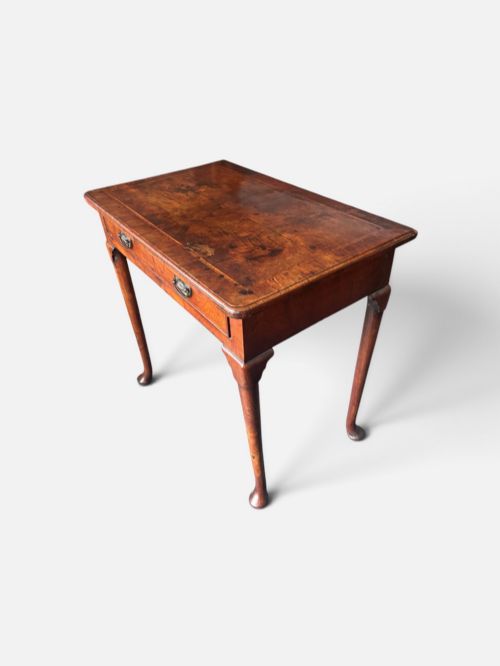
Georgian tables frequently display classical proportions, mahogany or walnut construction, and restrained carved ornamentation such as egg and dart or dentil moulding. Cabriole legs ending in pad or claw and foot feet characterise earlier examples.
Later eighteenth-century pieces often feature straight tapered legs, sometimes decorated with stringing or spade feet. Look for hand-cut dovetails within the drawer construction to confirm age.