

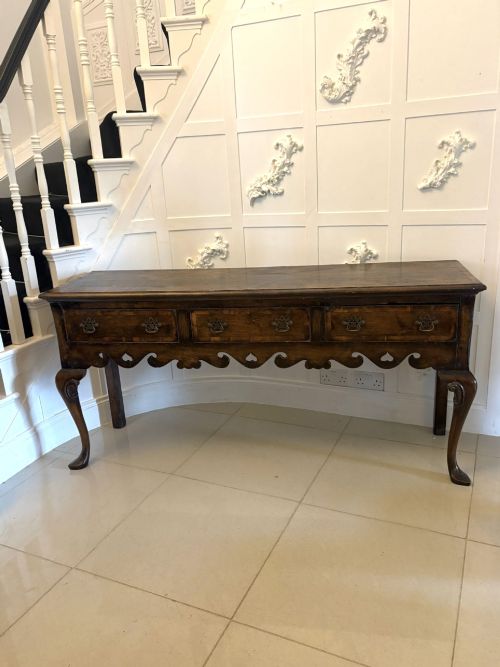
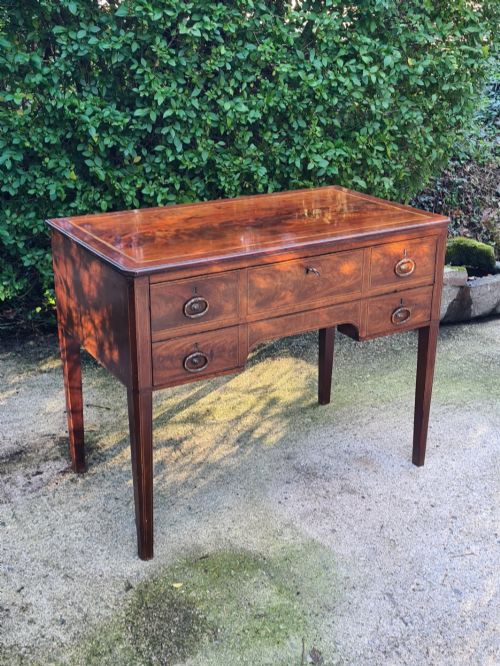
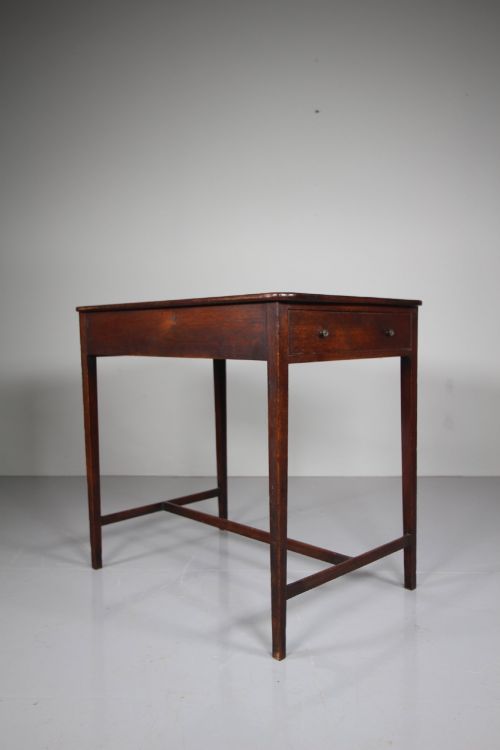
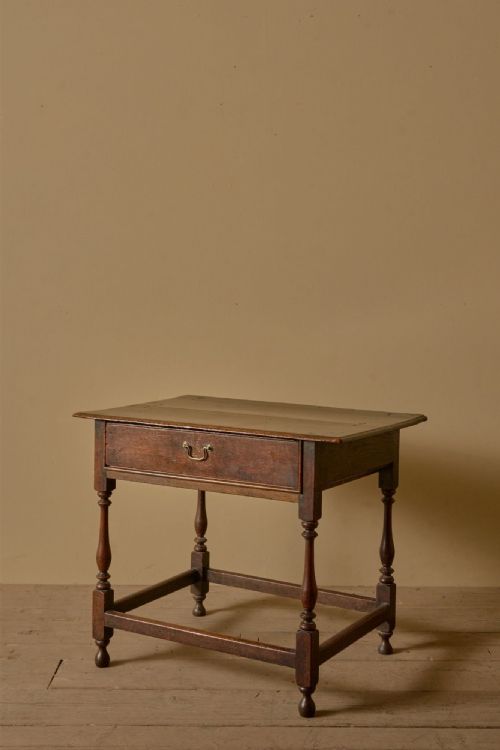
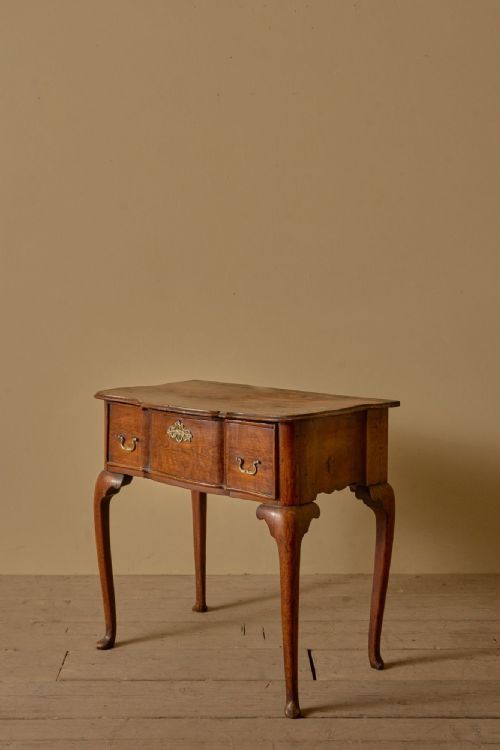
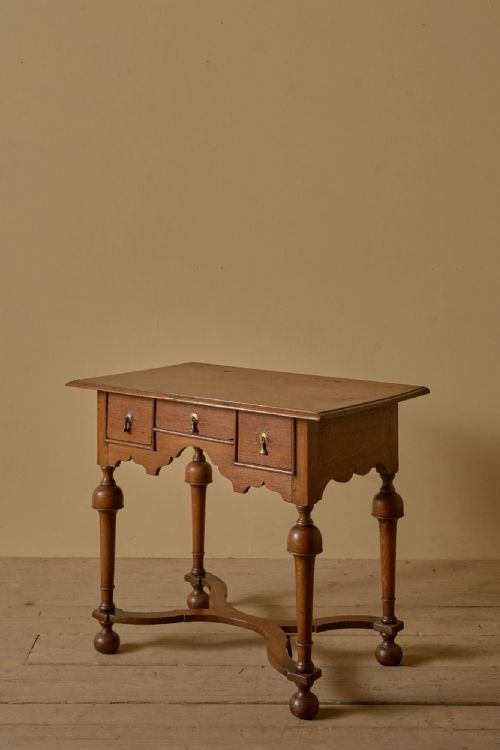
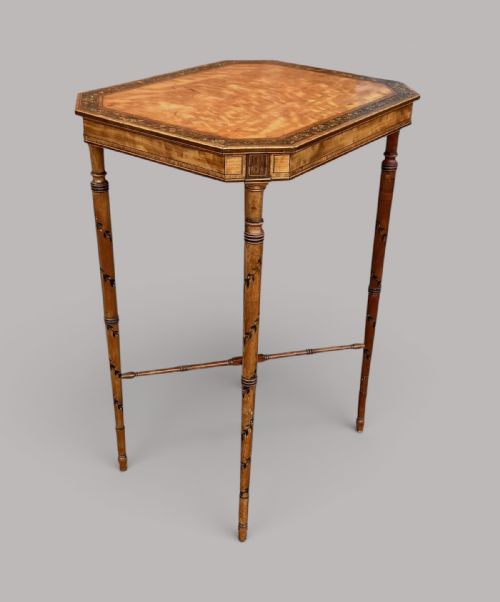
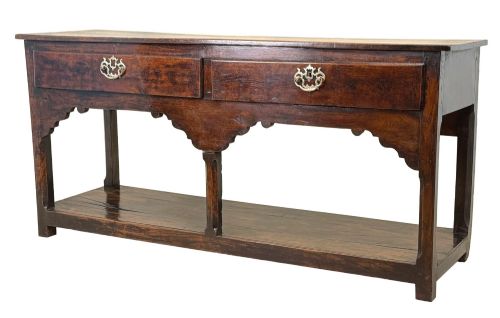
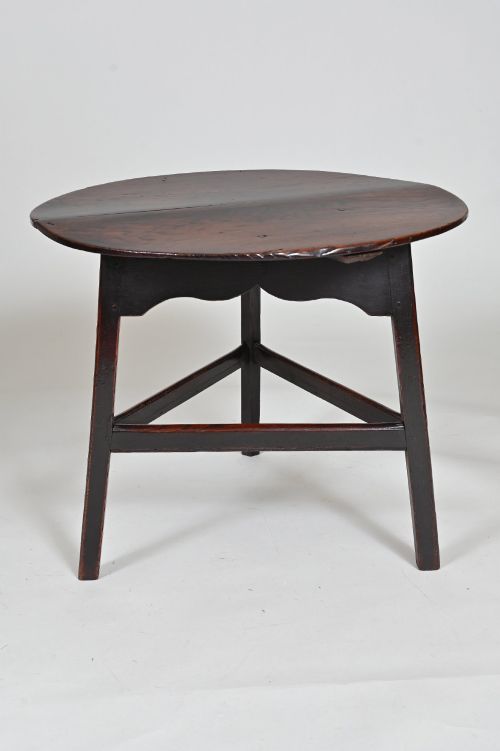
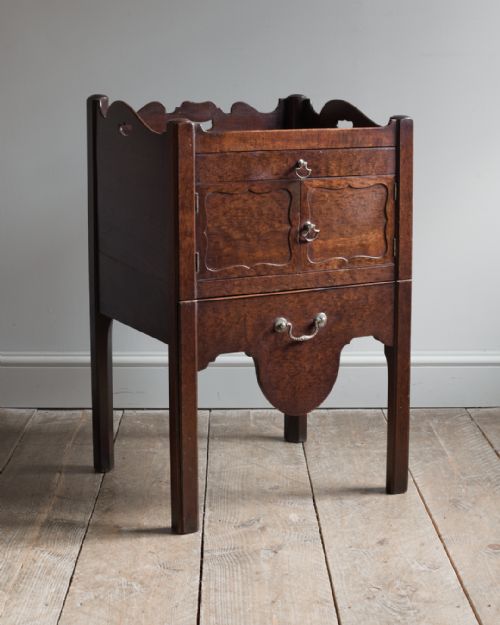
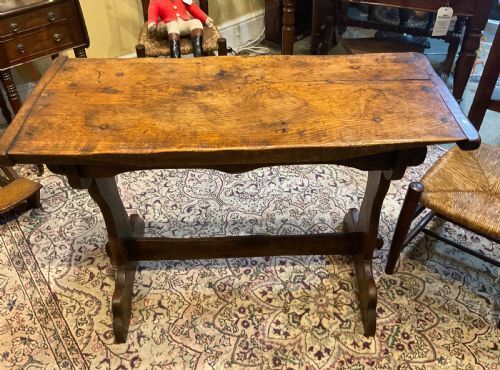
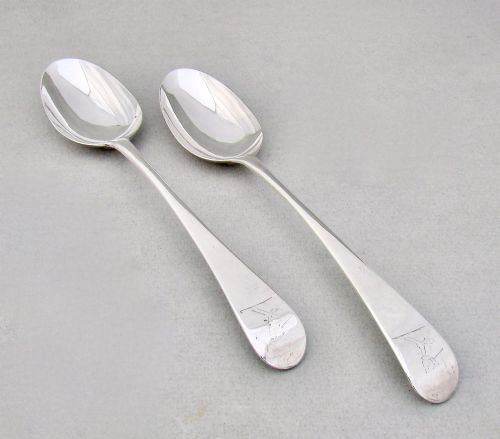
English 18th Century Table
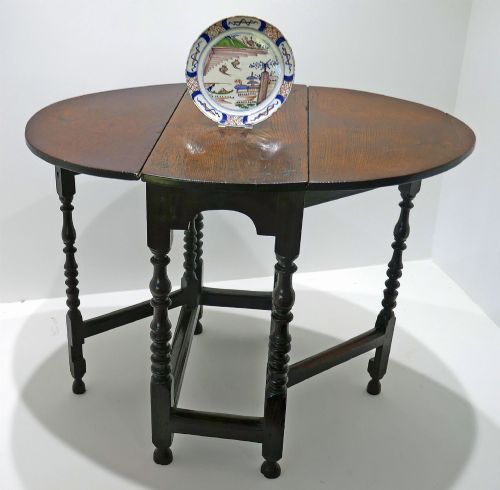
An english 18th century table brings centuries of domestic history into a room through honest timber and vernacular craft.
English 18th Century Table
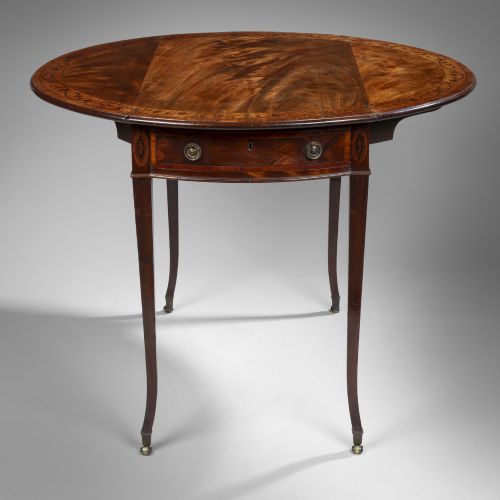
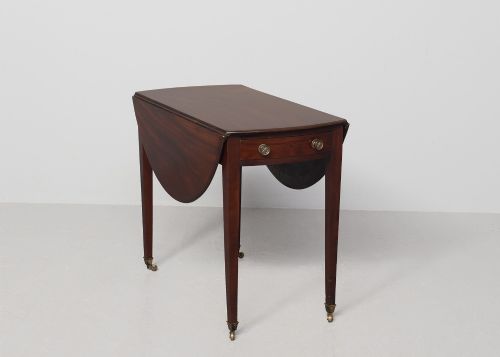
Oak and elm frequently anchor the rustic forms, including cricket tables and gateleg dining boards, while walnut and mahogany define the more refined George II and George III writing and side tables.
Proportions remain grounded and functional, reflecting the domestic habits of Georgian England through drop leaves, tilt tops, and fitted drawers.
Materials and Construction
Makers utilised solid native timbers such as oak, elm, beech, and walnut, frequently selecting imported mahogany as the eighteenth century progressed.
Joinery relied upon traditional pegged mortise and tenon joints for sturdy farmhouse and gateleg frames, while finer tripod and drum tables employed precise turning and block construction.
Surfaces often show subtle grain figuring, hand-planed irregularities, and herringbone inlay work on high-status walnut pieces.
English 18th Century Table Retail Price Guide 2026
Typical asking prices for english 18th century table among the pieces listed under this phrase on Sellingantiques today, from the lower quarter to the upper quarter. They describe what is for sale here now, not the wider market.
A portrait of Lady Elizabeth Shirley on a porch near a marble table links domestic furniture directly to elite eighteenth-century portraiture.
Assessing Quality and Character
The distinction between standard utility furniture and superior examples rests upon timber selection, such as highly figured walnut or dense, richly patinated oak.
Refined craftsmanship shows in the crispness of carved details on George II and George III tables, balanced leg proportions, and the retention of original brass hardware.
Surface preservation plays a vital role, where untouched mellow patination and minimal structural alteration elevate a piece above heavily restored equivalents.
William Gard·John Lambe·Andrew Archer
The English 18th Century Table Glossary
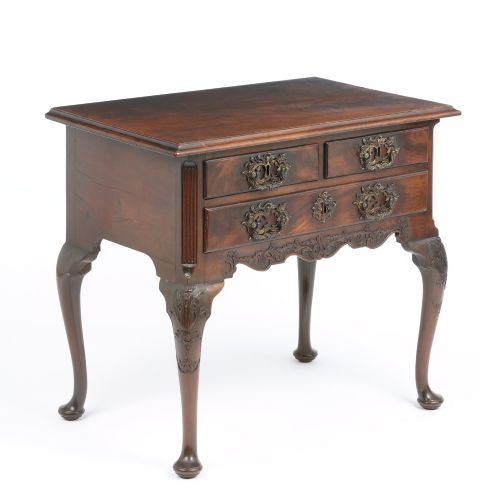
- Lowboy
- A small dressing table or side table featuring one or more rows of drawers beneath a flat top. They typically date from the Queen Anne and early Georgian periods.
- Cricket table
- A small, lightweight occasional table featuring three splayed legs and usually a round wooden top. The design provided stability on uneven seventeenth and eighteenth-century floors.
- Gateleg table
- A drop-leaf table where hinged legs swing outward to support the raised leaves. This form allowed large dining surfaces to fold compactly against a wall.
- Tripod table
- A small occasional table supported by a central pillar above three spreading feet. Many examples feature tilt-top mechanisms for convenient storage.
- Herringbone inlay
- A decorative woodworking technique arranging small veneer strips in a V-shaped pattern. Cabinetmakers used this detail to border drawer fronts on walnut furniture.
English 18th Century Table: Frequently Asked Questions
How do I spot a genuine 18th century table?
Examine the timber surfaces for hand-tool marks, traditional pegged joinery, and natural patination accumulated over generations of use.
Hardware placement, timber shrinkage patterns, and structural construction methods further help distinguish genuine eighteenth-century work from later reproductions.
What is a lowboy used for?
Historically, a lowboy served as a dressing table in bedchambers for holding grooming items or as a convenient writing and side table in reception rooms.
Today, these compact drawer tables function effectively as hallway surfaces or small desks in modern interiors.
Are cricket tables stable on carpet?
The three-legged design of a cricket table naturally rests firmly on uneven floors without rocking, making them remarkably steady.
While thick carpets can soften their stance, their light frame makes them versatile as bedside or corner display stands.
How should I care for antique oak furniture?
Protect antique oak surfaces from direct sunlight and sudden temperature shifts to prevent timber splitting and fading.
Apply occasional microcrystalline wax to nourish the wood and maintain a gentle, protective sheen without building up heavy residues.