





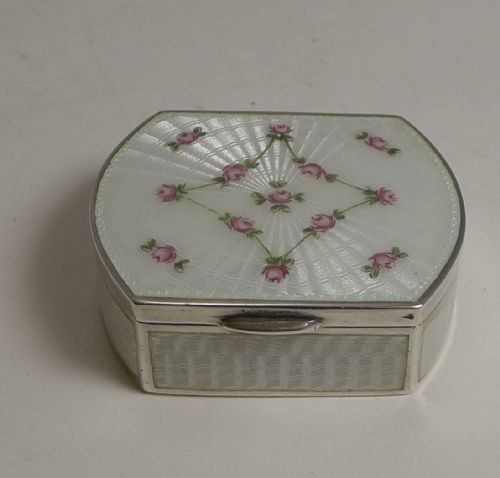

Enamelled Silver Container
An enamelled silver container brings together bright vitreous work and precious metal, offering a small, tactile piece of functional history.
Enamelled Silver Container
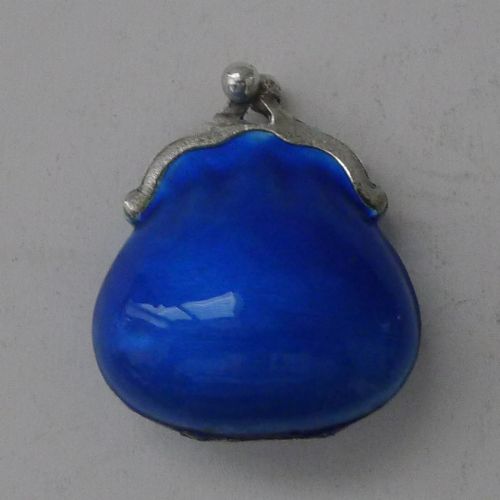
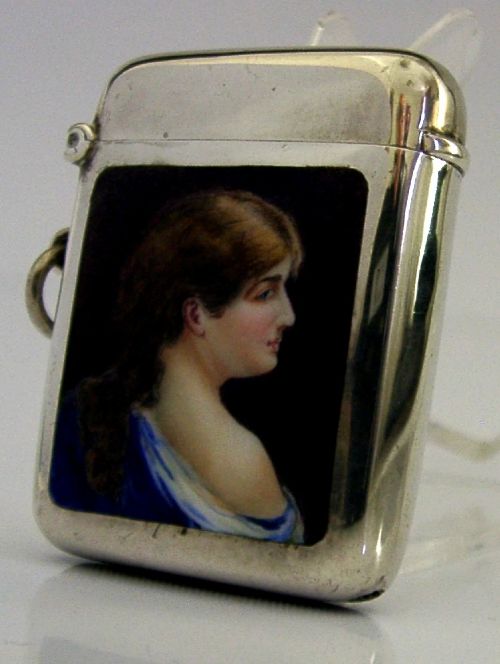
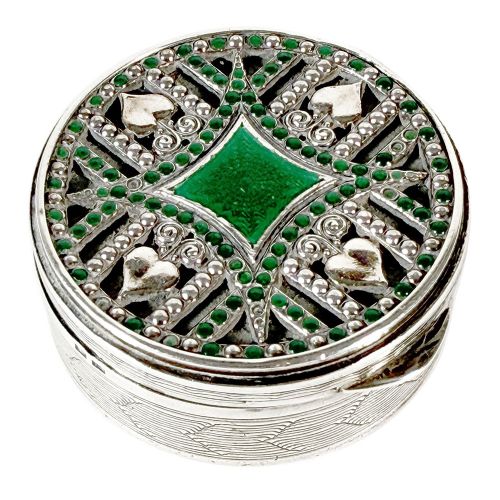
An enamelled silver container covers a range of small utilitarian objects, including vesta cases, pill boxes, vanity jars, powder compacts, cigarette boxes, and ashtrays. These pieces date from the nineteenth century through the Edwardian, Art Nouveau, and Art Deco periods, extending to Chinese Qing Dynasty examples.
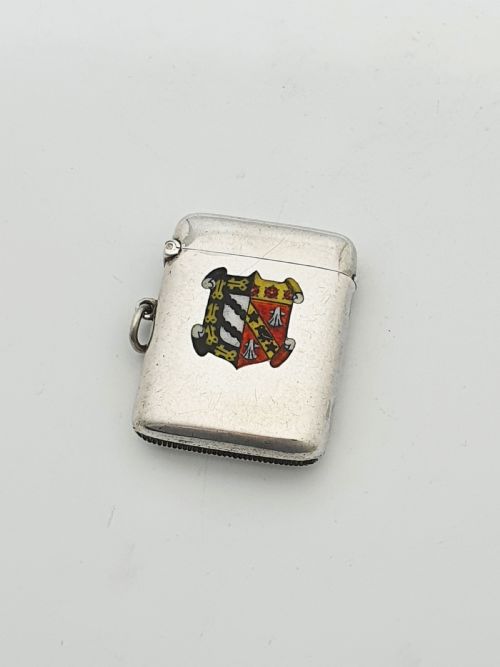
The version most commonly met on this page is the pocket-sized vesta case or small pill box, frequently decorated with coloured vitreous enamel or intricate guilloche patterns. Larger vanity jars and lidded cigarette boxes also appear, alongside specialised mesh compacts and ashtrays featuring jade rims or dragon motifs.
Origins span British workshops, Austrian centres, and Chinese Qing production, each bringing distinct regional aesthetics to the silver and enamel medium. Buyers encounter items ranging from simple crested Edwardian match holders to heavily detailed antique Asian smoking accessories.
Assessing quality
The standard of an enamelled silver container rests upon the precision of the metalwork and the condition of the glass-like vitreous surface. Crisp engine-turned guilloche patterns and flawless enamel without chipping distinguish finer workshops from standard production.
Maker attribution and the complexity of the decoration elevate certain examples, particularly those bearing recognised silversmith marks or detailed hand-painted pictorial scenes. Heavy gauge silver construction and sophisticated opening mechanisms further separate top-tier items from ordinary wares.
Enamelled Silver Container Retail Price Guide 2026
Typical asking prices for enamelled silver container among the pieces listed under this phrase on Sellingantiques today, from the lower quarter to the upper quarter. They describe what is for sale here now, not the wider market.
George Adam Scheid·Sampson Mordan·Goldsmith's and Silversmith's Co.
The Enamelled Silver Container Glossary
- Guilloche
- A decorative technique where a precise geometric pattern is mechanically engraved into the silver beneath a translucent layer of enamel. This method creates a reflective, shimmering depth that shifts in the light.
- Vitreous Enamel
- A material made by fusing powdered glass to a metallic substrate at high temperatures. It provides a durable, glossy coloured surface that resists wear over decades of handling.
- Vesta Case
- A small pocket container designed to hold matches and keep them dry. These pieces typically feature a striking wheel on the base and a hinged lid.
- Mesh Compact
- A flexible fabric-like sheet formed from interlocking metal rings, used in vanity items. It offers a tactile, draped texture distinct from rigid metal boxes.
Enamelled Silver Container: Frequently Asked Questions
What are enamelled silver containers used for?
These small vessels served practical daily functions in the nineteenth and twentieth centuries, holding matches, pills, cosmetics, or tobacco. Vesta cases kept matches dry in pockets, while pill boxes and vanity jars organised personal items on dressing tables.
Today, collectors use them to display cabinet pieces or continue their original function as pocket accessories. Their compact size makes them suitable for holding modern small items while retaining historical charm.
How do I date an enamelled silver container?
Dating relies on hallmarks stamped into the silver, stylistic indicators, and manufacturing techniques. Edwardian and Victorian pieces show traditional crests and ornate motifs, while Art Deco items favour clean geometric lines and guilloche patterns.
Foreign pieces, such as Austrian or Chinese Qing examples, use regional stamps or distinct stylistic markers rather than standard British assay office marks. Comparing the closure style and enamel colours further clarifies the period of manufacture.
How do I clean silver and enamel?
Cleaning requires a cautious approach to avoid scratching the delicate vitreous surface or damaging the underlying silver. A soft, dry microfiber cloth is generally sufficient for removing surface dust from the enamel.
Harsh metal dips must be avoided because chemical solutions can seep under the enamel borders and ruin the bond between the glass and the silver. Professional advice should be sought if tarnish is heavy near the enamel edges.