


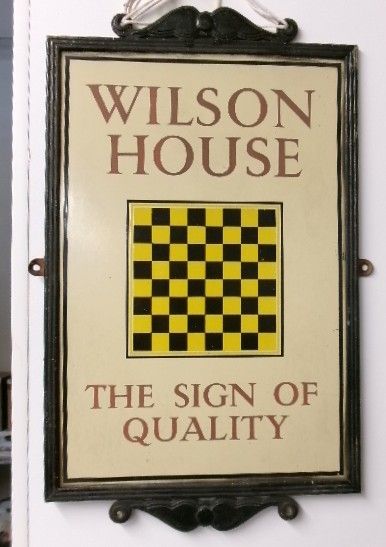




Enamelled Sign
An enamelled sign brings industrial weight and brilliant colour to a wall, carrying the crisp graphics of early twentieth-century commerce into a modern room.
Enamelled Sign
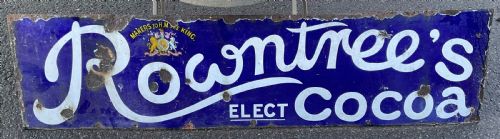
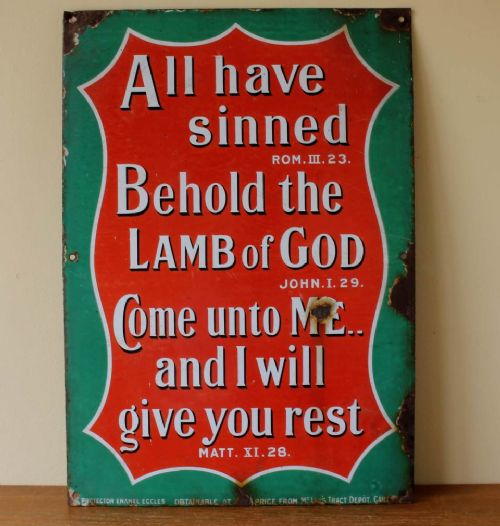
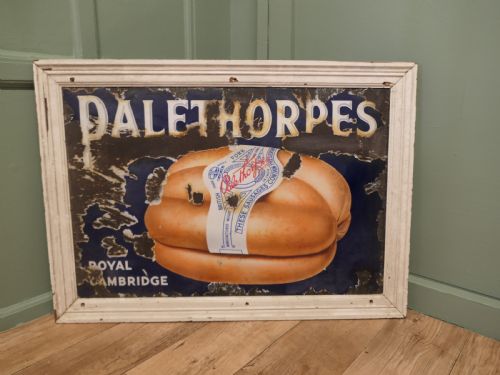
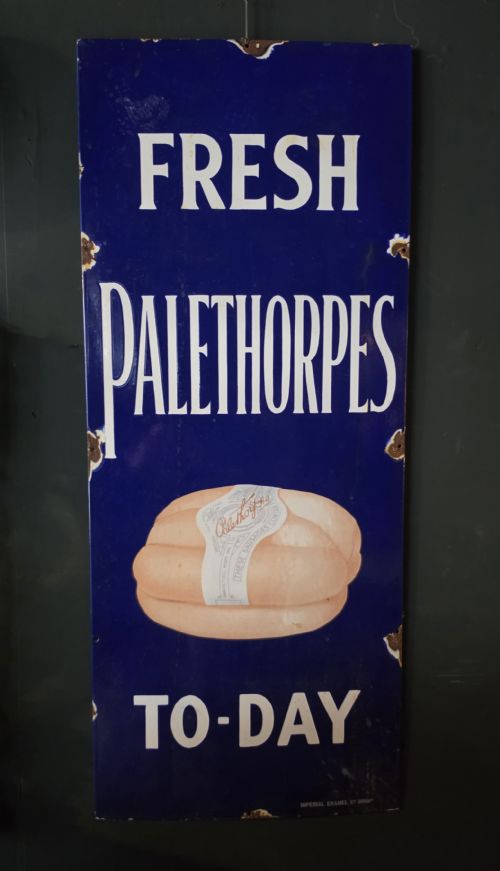
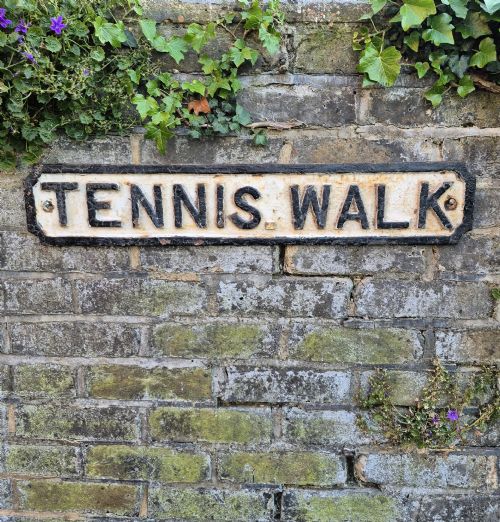
When you search for an enamelled sign, you are looking at durable metal plates created to advertise products, direct the public or mark city streets during the nineteenth and twentieth centuries. These pieces range from large pictorial food advertisements to double-sided petrol boards and simple station notices.
You are most likely to meet early twentieth-century commercial and transport examples on this page, often dated between the 1910s and 1930s. Iron panels dominate the selection, bearing baked vitreous coatings designed to withstand outdoor weather without fading.
How they were made
Makers fused powdered glass onto heavy iron bases inside high-temperature kilns, melting the minerals into a glossy, vitreous surface. This technique protected the metal from rust while allowing bright pigments to bond permanently with the plate.
Painters applied coloured enamel layers by hand or through stencils before firing each stage separately. The process required exact temperature control to prevent the glass surface from cracking as it cooled on the iron support.
Enamelled Sign Retail Price Guide 2026
Typical asking prices for enamelled sign among the pieces listed under this phrase on Sellingantiques today, from the lower quarter to the upper quarter. They describe what is for sale here now, not the wider market.
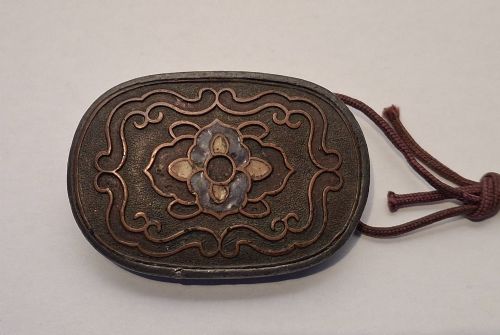
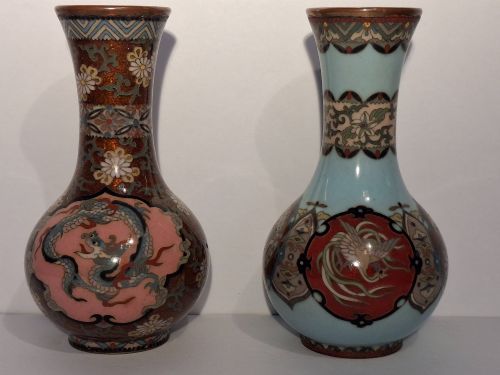
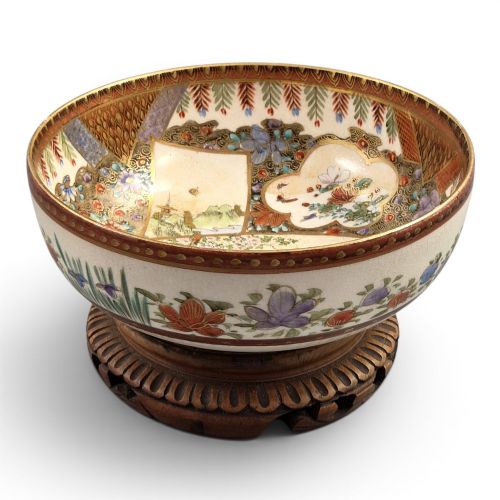
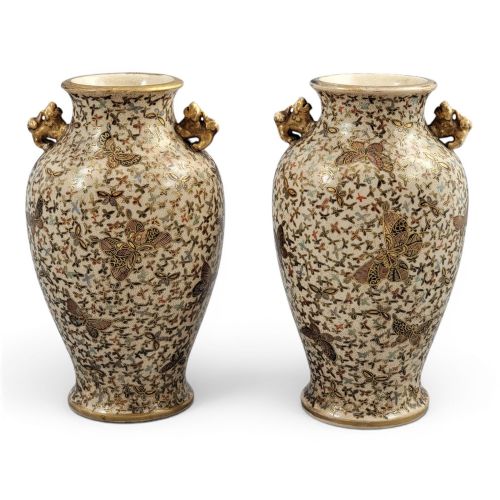
Listings feature iron wall signs alongside glass street markers and intricate Japanese cloisonne items.
What varies in quality
The strength of the graphic design and the clarity of the typography separate standard utility boards from exceptional pictorial pieces. Panels featuring detailed product illustrations or complex multi-colour branding demand greater technical skill during the firing process.
Original mounting hardware, sturdy flanges and intact iron edges preserve the integrity of a sign. Plates retaining their factory gloss and uncompromised surface depth demonstrate superior preservation over examples exposed to heavy weathering.
Tsukamoto Hikokichi·Kozan·Kinzan·Kinkozan·Joseph Meissonnier·Emmy Seyfried·Legras·Rene Lalique
The Enamelled Sign Glossary
- Vitreous enamel
- Glass powder fused to a metal substrate at high heat. This creates a hard, glossy coating impervious to moisture and chemical decay.
- Flange
- A projecting metal rim or edge attached to a sign. It allows the board to be bolted securely at a right angle to a wall.
- Cloisonne
- A decorative technique using thin metal wires to form compartments on a base. Artisans fill these cells with enamel paste before firing.
- Totai shippo
- A Japanese method where enamel is applied directly over a porcelain body rather than metal. This produces intricate textured surfaces resembling tree bark.
- Champleve
- A process where troughs or cells are carved into a metal plate and filled with enamel. The remaining metal walls outline the final pattern.
Enamelled Sign: Frequently Asked Questions
How do I hang a heavy iron sign safely?
Heavy iron plates require direct attachment to masonry or strong wooden studs using appropriate wall anchors. The mounting holes provided on the original flanges take the primary weight of the piece.
Distributing the load evenly prevents the vitreous coating from chipping around the screw fixings over time. Professional framing can also support fragile edges without obscuring the surface.
Can these outdoor signs be displayed outside again?
Modern gardens and exterior walls expose vintage enamel to moisture that can penetrate old iron edges and cause rust behind the glass. Keeping these pieces indoors protects the original gloss and prevents further structural decay.
Stable indoor humidity preserves both the metal base and the colourful glass surface. Direct sunlight is generally safe, but extreme temperature shifts stress the fused materials.
How should I clean the surface safely?
A soft cloth dampened with warm water and mild soap removes dust without scratching the glossy glass layer. Avoid abrasive scouring pads or harsh chemical solvents that dull the vitreous finish.
Dry the metal edges thoroughly after cleaning to prevent moisture from settling in microscopic surface cracks. Regular dusting keeps the colours sharp without risking the glaze.
How do I tell an original sign from a reproduction?
Original pieces show heavy iron weight, curved edges around mounting holes, and subtle surface imperfections from early kiln firing. The glass coating often has a deep gloss and minor age-related wear rather than a uniform modern finish.
Examining the reverse side reveals rusted iron or aged backing paint consistent with early industrial production. Modern copies usually lack the distinct heft and hand-stencilled irregularities of genuine trade boards.