




Enamelled Scent Bottle
Discover an enamelled scent bottle for its blend of bright glass, gleaming metal and intricate decorative surfaces.
Enamelled Scent Bottle
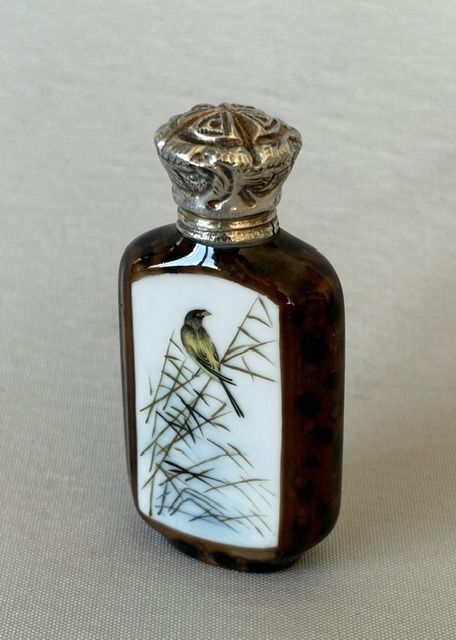
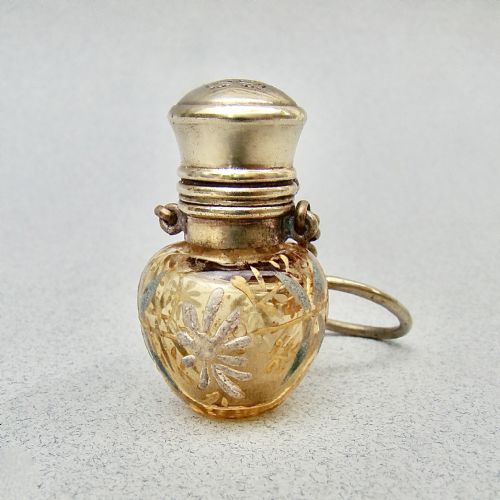
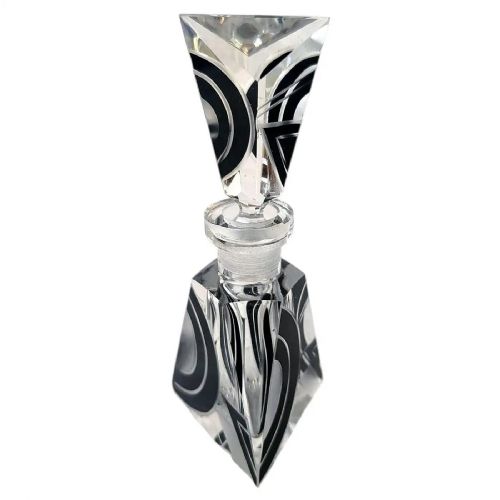
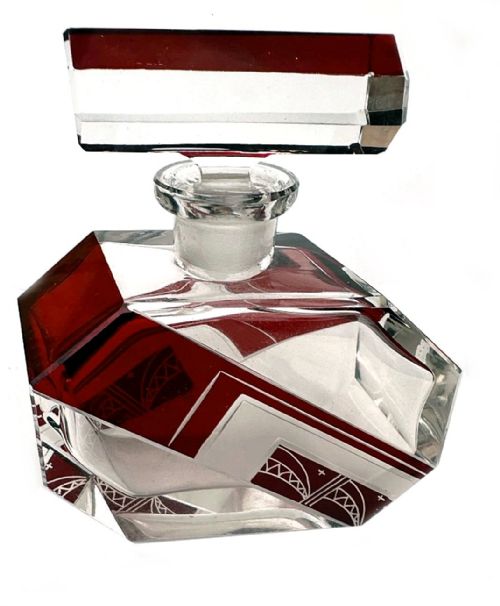
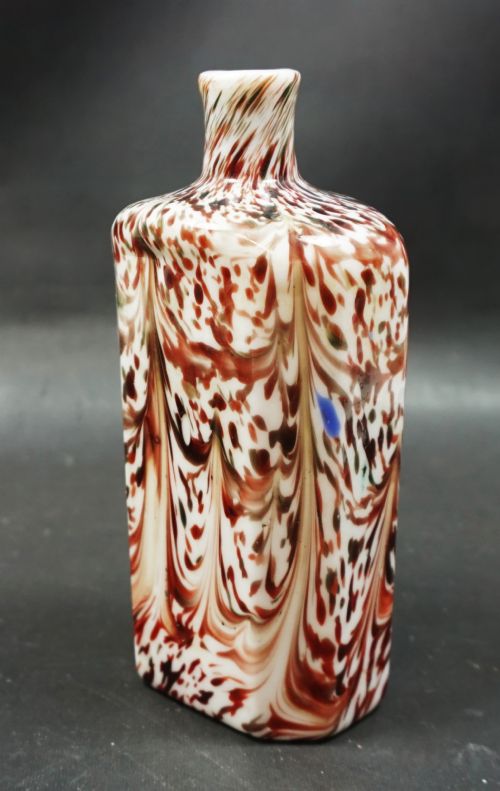
When searching for an enamelled scent bottle, collectors encounter pocket vessels, dressing table flasks and chatelaine containers designed to hold perfumes and oils. These pieces range from Georgian enamel boxes to Victorian glass flagons and geometric Art Deco atomisers.
The most common examples on this page date from the nineteenth and twentieth centuries, featuring glass bodies adorned with hand-painted scenes, applied enamel motifs or silver mounts. Originating from workshops in Britain, France, Bohemia and the Czech Republic, they reflect changing domestic fashions across multiple eras.
How they were made
Makers shaped glass by blowing or cutting crystal, milk glass and coloured varieties such as cranberry, amber and Bristol blue. They incorporated metals including sterling silver, gold leaf, ormolu and chrome for mounts, collars and hinged lids.
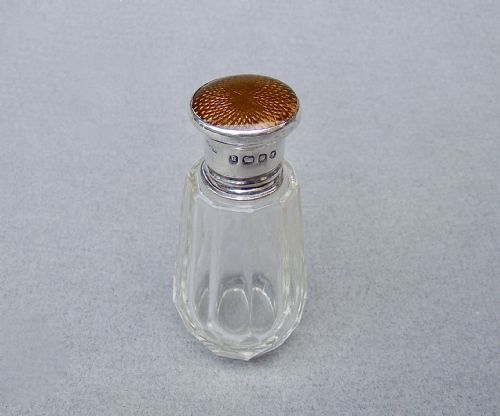
Surface decoration involved fusing enamel powders onto glass or metal substrates under heat, sometimes applying guilloche engine-turning beneath translucent coloured enamels. Artisans also hand-painted miniature scenes directly onto the enamel surfaces or added gilt detailing.
Enamelled Scent Bottle Retail Price Guide 2026
Typical asking prices for enamelled scent bottle among the pieces listed under this phrase on Sellingantiques today, from the lower quarter to the upper quarter. They describe what is for sale here now, not the wider market.
What varies in quality
Quality depends upon the precision of the glass cutting, the complexity of the metal mounting and the skill executed in the enamelling. Pieces featuring fully integrated guilloche patterns beneath translucent enamel or detailed hand-painted scenes demonstrate higher craftsmanship than plain moulded vessels.
The distinction also rests in the maker's mark and the harmony between the glass body and its silver or ormolu mounts. Intricate chatelaine chains, hallmarked silver collars and signed glass works from recognised designers indicate superior production standards.
Karl Palda·Henry Perkins·James Fenton·Charles May·René Lalique·Mappin and Webb
The Enamelled Scent Bottle Glossary
- Guilloche
- A decorative mechanical technique where an intricate geometric pattern is engraved into a metal surface beneath translucent enamel. This process creates a shimmering wave or sunray effect visible through the coloured glass coating.
- Chatelaine
- A decorative belt hook worn with a series of suspended chains carrying utilitarian items such as scent bottles, keys or watches. Victorian ladies utilised these wearable fittings for easy access to personal items.
- Ormolu
- Gilded bronze used widely for decorative mounts, collars and stands on nineteenth-century glass vessels. The metallic finish provides a warm, golden contrast against coloured glass bodies.
- Mary Gregory
- A style of white enamel painting depicting silhouetted Victorian children engaged in pastoral scenes amidst foliage. Artisans applied these white enamel designs primarily onto cranberry, green and blue glass.
- Atomiser
- A perfume spray fitting that disperses liquid scent into a fine mist via a bulb mechanism attached to the bottle neck. These functional mounts became popular additions during the Art Deco period.
Enamelled Scent Bottle: Frequently Asked Questions
How do I date an antique scent bottle?
Dating relies on examining the hallmarks on silver mounts, the manufacturing style of the glass and the decorative motifs used. British silver mounts carry assay office marks and date letters that identify the exact year of production.
Stylistic indicators also help determine age, moving from Georgian hand-painted scenes to Victorian Mary Gregory figures and Art Deco geometric Czech glass designs. Comparing the closure mechanisms and base wear provides further chronological context.
How were these bottles used historically?
Owners carried these small containers in pockets, handbags or suspended from chatelaine chains attached to belts for daily access to fragrances. They served both a practical purpose for personal refreshment and as fashionable accessories in polite society.
Dressing table versions remained stationary in bedchambers, often as part of matching vanity sets alongside powder jars and atomisers. Their secure stoppers prevented volatile perfumes from evaporating.
How do I care for antique glass and enamel?
Care requires gentle handling, keeping pieces away from direct sunlight, extreme temperature changes and abrasive cleaning agents. Dust them softly with a dry, lint-free cloth to protect delicate enamel surfaces and gilt details.
Avoid submerging silver-mounted or enamelled items in water, as moisture can compromise adhesives or discolour old metal components. Store them securely on stable surfaces away from high-traffic areas.