




Enamelled Insect Pin
An enamelled insect pin is a small, winged brooch bringing naturalistic colour to a lapel.
Enamelled Insect Pin
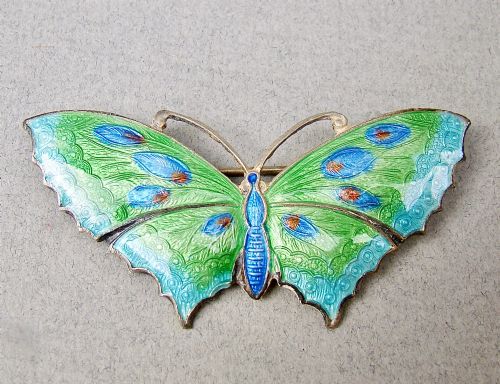
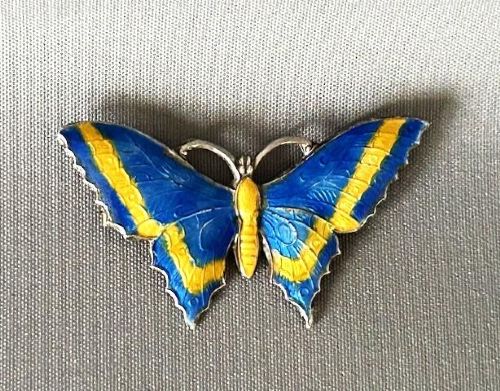
When you search for an enamelled insect pin, you are looking at small brooches shaped as butterflies and dragonflies designed to fasten to clothing. These pieces span several decades from the late Victorian era through the Art Nouveau and Art Deco periods into mid-century Scandinavian and Chinese export work.
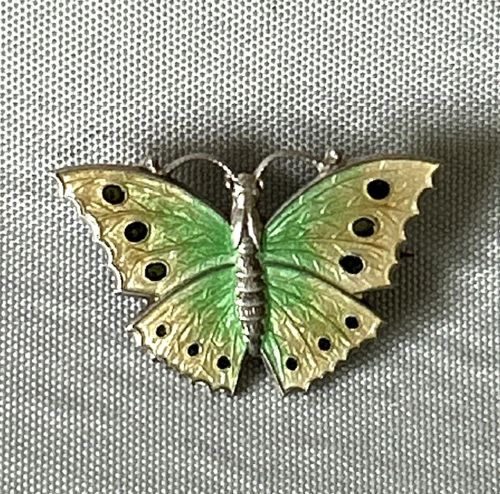
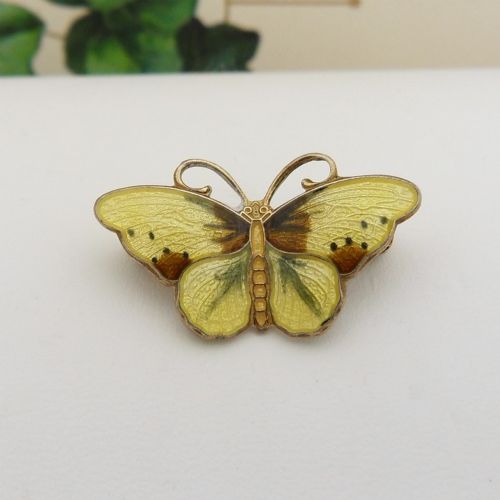
The version you are most likely to meet on this page is a silver butterfly brooch finished with coloured enamel work. These items appear in both petite and large formats, often incorporating materials such as silver gilt, sterling silver, or yellow gold alongside pearls, garnets, and diamonds.
How they were made
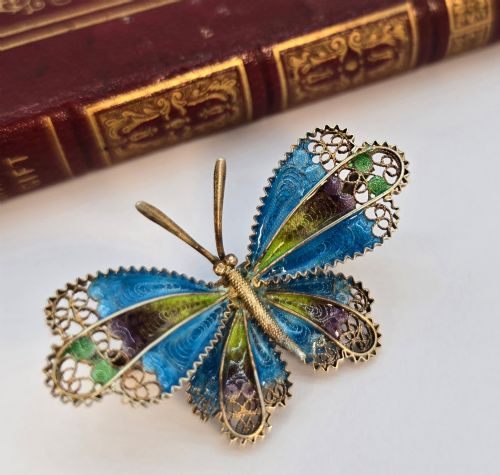
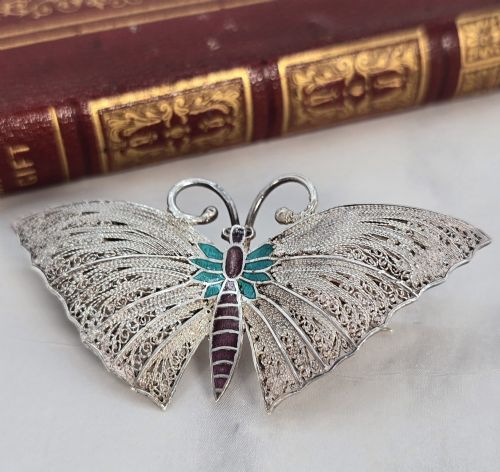
Maker techniques rely heavily on silver filigree and guilloche metalwork beneath translucent or opaque layers of enamel. Artisans shape precious metals into delicate insect forms, soldering fine wire compartments to hold the vitreous paste before firing.
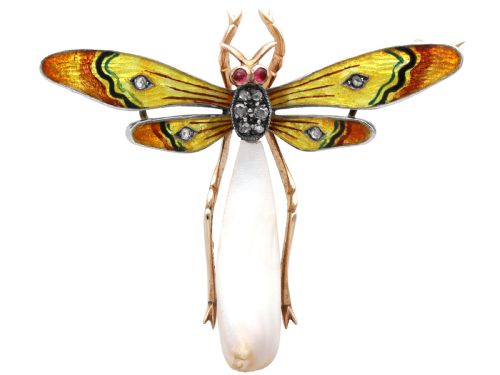
Gilding is applied to silver surfaces for a rich gold tone, while stones like garnets, pearls, and diamonds are set into higher-end Victorian pieces to accent the body or eyes of the insect.
Enamelled Insect Pin Retail Price Guide 2026
Typical asking prices for enamelled insect pin among the pieces listed under this phrase on Sellingantiques today, from the lower quarter to the upper quarter. They describe what is for sale here now, not the wider market.
Even tiny butterflies get safety catches when they travel through the decades.
What varies in quality
Quality separates in the precision of the enamel work and the complexity of the underlying metal structure. Pieces featuring hand-turned guilloche patterns or detailed filigree wirework demonstrate greater artisan skill than plain enamelled surfaces.
The inclusion of precious gemstones such as diamonds and garnets, alongside higher-grade metals like yellow gold and silver gilt, marks out the upper tier of these brooches compared to standard sterling or base silver export pieces.
Hroar Prydz
The Enamelled Insect Pin Glossary
- Enamel
- A glassy substance fused to the surface of metal through kiln-firing to provide permanent colour. This technique creates the vibrant wings seen on butterfly and dragonfly brooches.
- Guilloche
- An ornamental technique in which a precise, intricate pattern is mechanically engraved into a metal substrate. Enamel applied over this texture allows light to reflect through the translucent layers.
- Silver Gilt
- Silver that has been coated with a thin layer of gold. It offers the warm visual appeal of solid gold while utilising a silver base.
- Filigree
- Delicate jewellery-making metalwork using fine wire soldered together in openwork motifs. Continental and Chinese workshops frequently employed this method for insect wings.
- Brooch
- A decorative jewellery item designed to be attached to garments, typically with a pin and catch mechanism on the reverse. Most insect pieces function in this specific form.
Enamelled Insect Pin: Frequently Asked Questions
What periods do these pins come from?
These pieces originate from multiple eras, stretching from late Victorian times through Art Nouveau and Art Deco phases up to mid-century Scandinavian and Chinese export designs.
Specific dates on the listings range from the eighteen-nineties through the nineteen-twenties, nineteen-thirties, and nineteen-fifties.
What insects are usually depicted?
Butterflies and dragonflies dominate the selection found across these historical periods and international workshops.
Butterflies appear most frequently in silver and enamel, while dragonflies often feature in more elaborate Victorian gemstone settings.
How do I wear an insect brooch?
These pins attach securely to lapels, collars, scarves, or hats using the traditional pin and catch mechanism mounted on the back.
Their sizing ranges from petite accents to large statement pieces, allowing them to suit various weights of fabric.
How do I tell Victorian pieces apart from later ones?
Victorian examples tend to use higher-carat yellow gold and incorporate genuine gemstones like garnets, pearls, and diamonds into the insect body.
Later twentieth-century pieces from the nineteen-thirties and nineteen-fifties lean toward sterling silver, silver gilt, and vibrant guilloche or filigree enamel.