




Enamelled Glass Trinket Box
An enamelled glass trinket box combines decorative glass bodies with painted motifs or fitted metal lids to hold small personal valuables on a dressing table.
Enamelled Glass Trinket Box
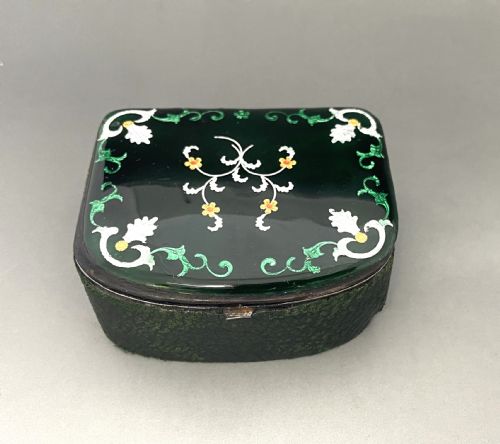
An enamelled glass trinket box brings together coloured glass vessels and applied decorative surfaces, frequently taking the form of dressing table jars, small pots, and lidded containers. Buyers encounter pieces ranging from nineteenth-century French productions in rich tones like Bristol blue, cranberry, and green, through to twentieth-century Art Deco designs.
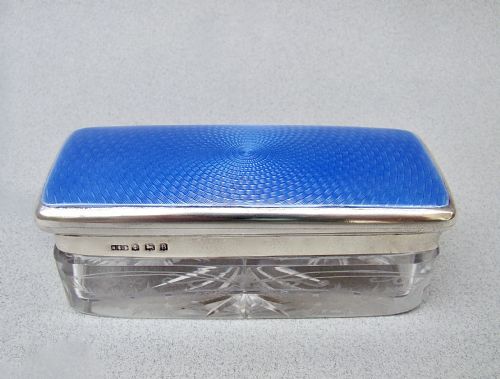
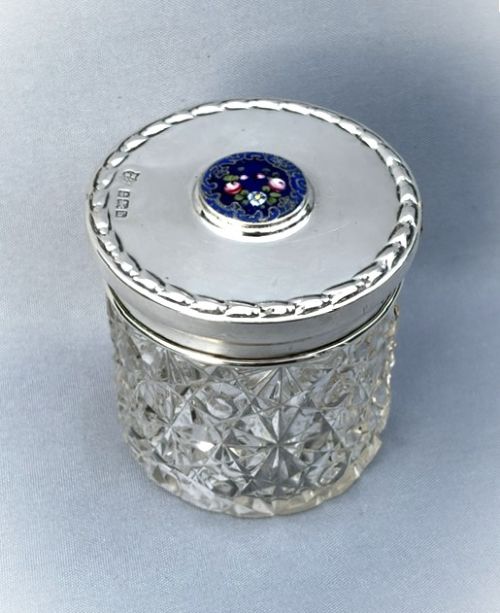
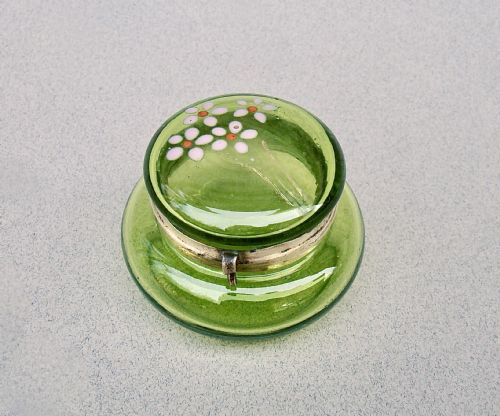
The physical formats vary from simple glass containers with painted floral details to substantial cut glass jars mounted with sterling silver or guilloché enamel lids. Many examples originate from nineteenth-century French makers or twentieth-century English assay offices such as Birmingham, reflecting changing dressing table fashions across several decades.
How they were made
Makers produced the glass bodies using methods such as moulding or blowing, often employing coloured glass formulas including amber, amethyst, turquoise, and opaline. Artisans then applied enamel paints by hand directly onto the exterior glass surface, sometimes combining the glass bases with cast brass, bronze, or sterling silver mounts and fitted lids.
Twentieth-century pieces frequently incorporated machine-turned guilloché enamel set into silver frames above cut or etched glass containers. Eighteenth-century precursors relied on copper or porcelain cores with opaque enamel coatings, establishing a tradition of miniature decorative storage boxes.
Enamelled Glass Trinket Box Retail Price Guide 2026
Typical asking prices for enamelled glass trinket box among the pieces listed under this phrase on Sellingantiques today, from the lower quarter to the upper quarter. They describe what is for sale here now, not the wider market.
Some nineteenth-century French glass boxes were made in egg shapes, waiting quietly on dressing tables to hatch a spare button or a rogue hairpin.
What varies in quality
The refinement of the hand-painted enamel work separates standard containers from superior examples, with finer pieces displaying crisp outlines and controlled polychrome detail rather than flat or hasty brushwork. Weight and substance in the glass body also indicate grade, particularly where heavy cut glass or cased glass colours are employed.
The metal components contribute significantly to the overall standard of a piece, distinguishing heavy sterling silver hallmarked mounts from lighter base metals or simple brass collars. Precision in the fit between the lid and the glass body indicates careful bench assembly during production.
Henry Clifford Davis·S Theeman·Moser
The Enamelled Glass Trinket Box Glossary
- Guilloche enamel
- Enamel applied over a metal surface that has been machine-engraved with a repetitive geometric pattern. This technique creates shimmering light effects beneath translucent coloured glass enamels.
- Bristol blue
- A deep, vivid cobalt blue glass tradition associated with West Country production and widely utilised in nineteenth-century dressing table wares. The intense colour derives from cobalt oxide added to the glass batch.
- Patch box
- A small lidded container originally used in the eighteenth century to hold cosmetic beauty patches worn on the face. Georgian examples frequently feature detailed enamel work on copper bases.
- Cranberry glass
- A transparent pinkish-red glass created by adding gold chloride to the molten metal mixture. It appeared frequently in nineteenth-century vanity items and trinket pots.
Enamelled Glass Trinket Box: Frequently Asked Questions
What were enamelled glass trinket boxes used for?
These lidded containers sat upon dressing tables and vanity surfaces to hold small personal items such as rings, pins, and hair ornaments. They kept delicate accessories organised and protected within a decorated glass or metal vessel.
Over time, their role shifted from functional dressing room utility to decorative cabinet display as changing interior styles altered bedroom furnishings.
How do I date an enamelled glass trinket box?
Dating relies heavily on metal hallmarks, stylistic markers, and the colour palette of the glass. Pieces featuring sterling silver mounts often carry assay office marks and date letters that pinpoint the exact year of manufacture.
Nineteenth-century French glass boxes typically display characteristic moulded shapes and hand-painted floral enamels unique to the Victorian and Art Nouveau periods, whereas eighteenth-century patch boxes use copper and enamel construction.
Are the lids usually silver?
Many lidded pots feature sterling silver mounts, particularly those manufactured in Birmingham or London during the early twentieth century. These silver covers frequently incorporate guilloché enamel or raised repoussé decoration.
Other examples utilise plain brass, gilt metal, or lack metal mounts entirely, relying instead on a fitted glass lid matching the main body.
How do I clean an antique trinket box?
Cleaning requires gentle methods to protect delicate enamel painted surfaces and old metal mounts. A soft, dry cloth removes dust from the glass exterior without risking the hand-painted decorations.
Moisture and harsh chemical polishes should stay away from enamelled areas and vintage silver plating to preserve the original finish and prevent lifting.