





Enamelled Desk Clock
An enamelled desk clock brings vibrant colour and precise mechanical craft to a study or mantelpiece.
Enamelled Desk Clock
An enamelled desk clock combines the mechanical utility of a portable timepiece with the decorative depth of vitreous enamel. These pieces surface predominantly in French, English, and Austrian varieties spanning the Victorian and Edwardian periods.
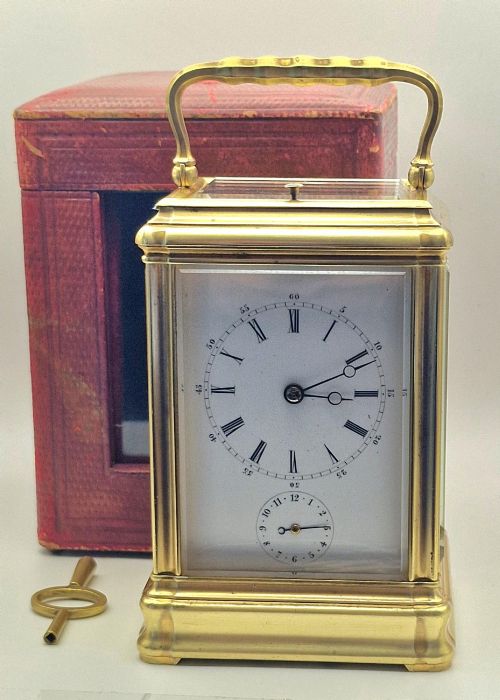
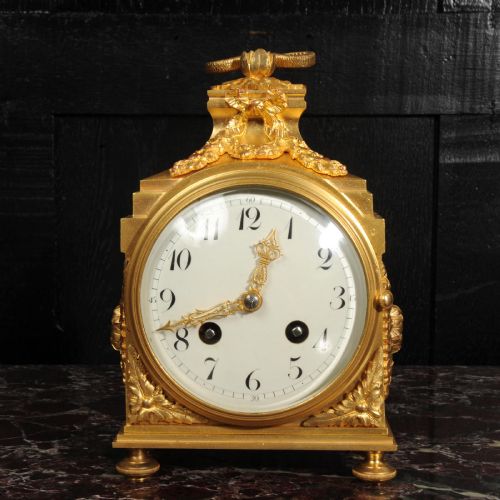
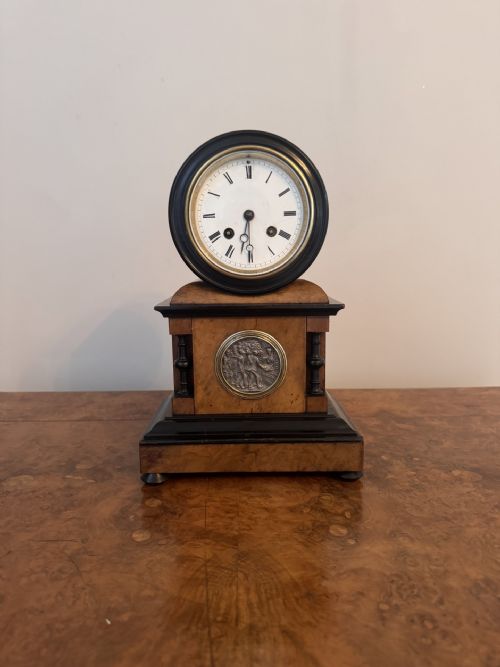
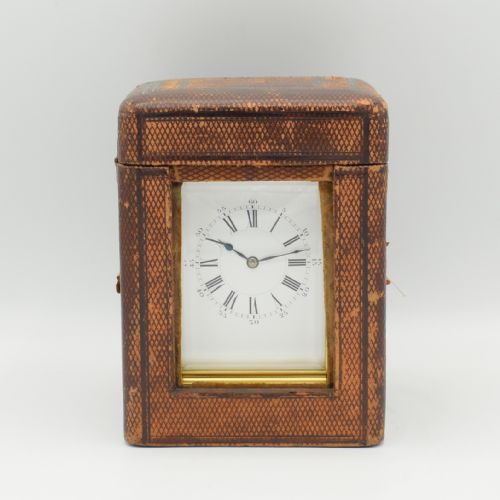
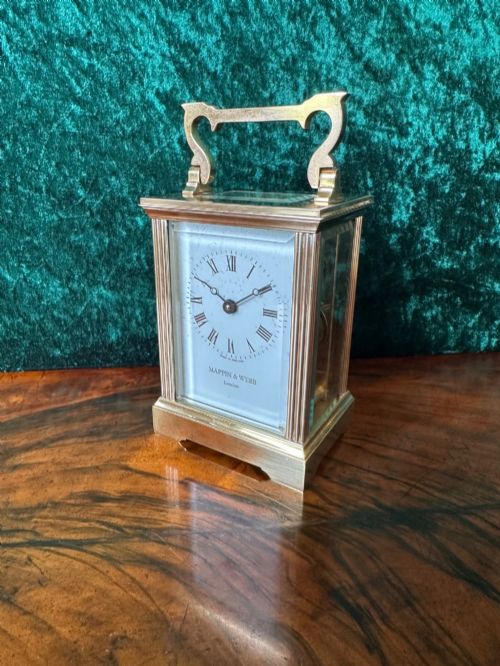
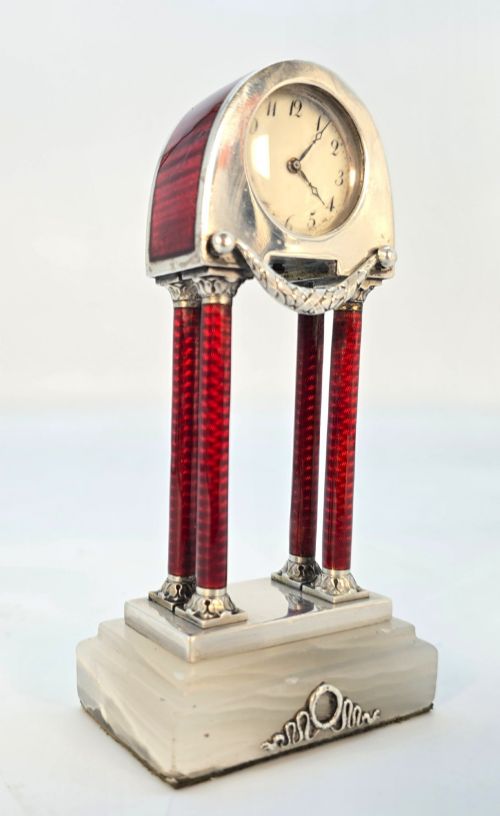
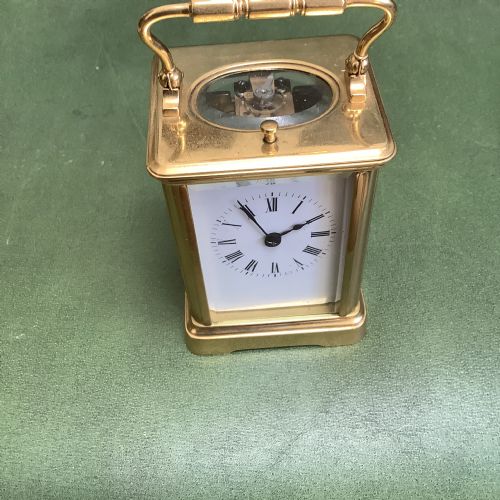
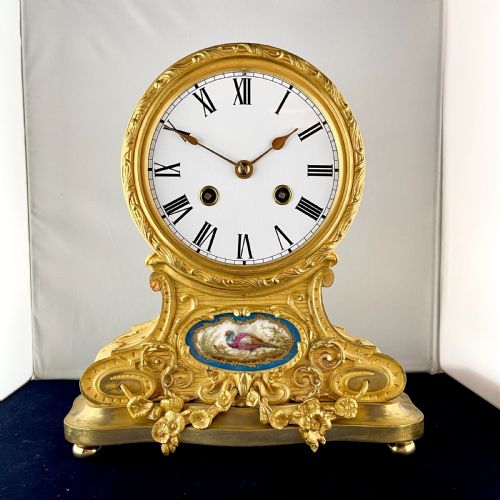
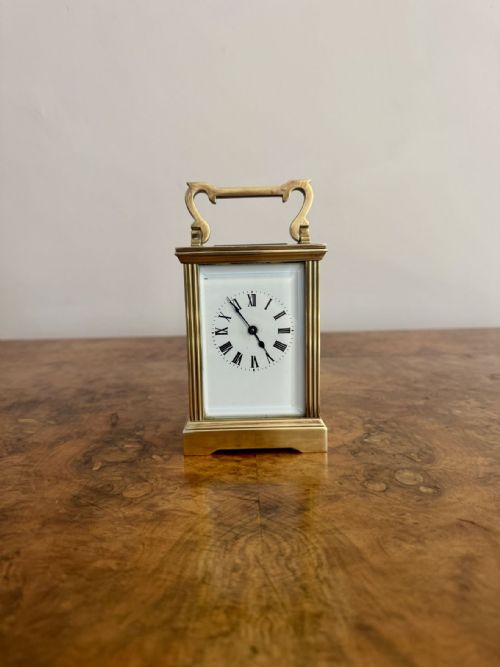
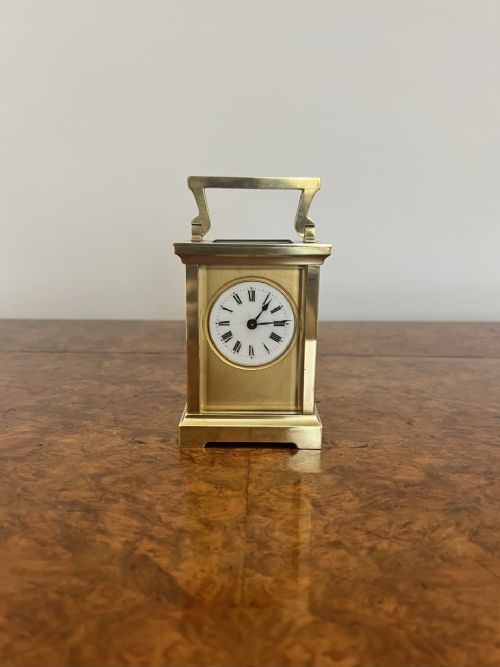
Buyers encounter forms ranging from miniature portico designs and four-glass mantel pieces to traditional carriage clocks and folding travel timepieces. The dial or case typically carries the enamel work, often framed in brass, gilt bronze, or silver.
Materials and Construction
Craftsmen built the structural frames using brass, ormolu, gilt bronze, and silver, frequently housing complex eight-day movements with escapements. Glass panels protected the internal mechanics while allowing a clear view of the escapement and dial.
Enamel application required fusing powdered glass to a metal substrate under high heat, yielding smooth, colourful surfaces that resisted tarnishing. Techniques such as champlevé involved recessing the metal to hold the enamel pigments in distinct patterns.
Enamelled Desk Clock Retail Price Guide 2026
Typical asking prices for enamelled desk clock among the pieces listed under this phrase on Sellingantiques today, from the lower quarter to the upper quarter. They describe what is for sale here now, not the wider market.
Several travel clocks were built specifically for the export market in China, featuring sweep seconds hands.
Distinctions in Quality
The sophistication of the enamel work dictates the upper tier of the market, where hand-painted details and complex champlevé patterns supplant plain coloured faces. Heavier metal cases cast in gilt bronze or ormolu display crisper chasing and engraving than standard stamped brass.
Maker reputation and movement complexity further elevate a piece, particularly those featuring repeat striking mechanisms, alarms, or jewelled lever escapements. Complete original travel cases and matching keys also distinguish finer examples.
Henri Jacot·Georg Adam Scheid·Mappin and Web·Pickford of London·Drocourt Paris·David Veasey for Liberty·Tiffany
The Enamelled Desk Clock Glossary
- Champlevé
- An enamel technique where troughs are carved into a metal surface and filled with vitreous paste before firing. This method creates bold, colourful patterns bounded by raised metal lines.
- Ormolu
- A technique of applying finely ground, high-carat gold to a bronze object using mercury. It imparts a rich, enduring golden lustre to clock cases.
- Carriage Clock
- A small, spring-driven timekeeper housed in a brass and glass case with a carrying handle. These were originally designed for travellers in the nineteenth century.
- Portico Clock
- A architectural clock style resembling a miniature classical building with supporting columns. They often feature delicate enamel dials framed by precious metals.
- Goliath Pocket Watch
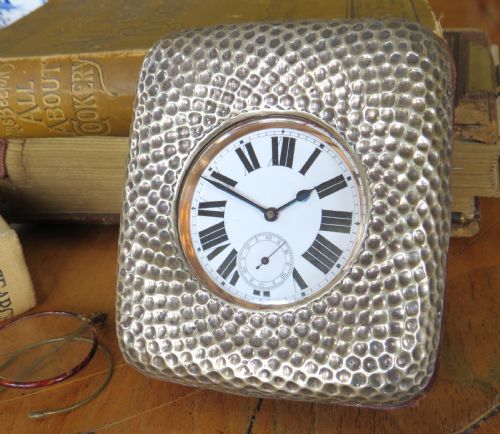
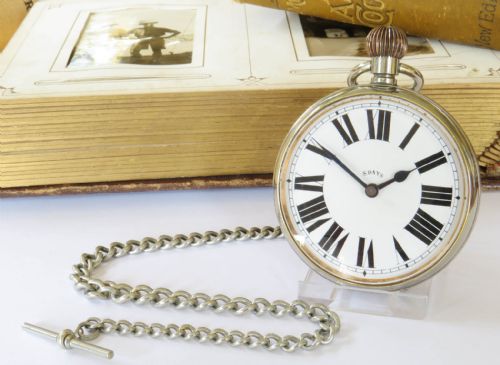
- An oversized pocket watch frequently mounted in a travel case or desk stand. They rely on robust eight-day movements for extended operation.
Enamelled Desk Clock: Frequently Asked Questions
How do I wind an antique desk clock?
Most mechanical desk clocks utilise a dedicated winding key inserted into the rear dust cover to tension the mainspring.
Care must be taken not to overwind the movement, stopping as soon as firm resistance is felt.
What is a repeat striking mechanism?
A repeat mechanism allows the owner to press a button on the case to make the clock chime the last hour and quarter-hour on demand.
This complication was particularly useful for checking the time in the dark during the nineteenth century.
How do I distinguish Edwardian from Victorian pieces?
Victorian clocks often display heavier, ornate cast brass and dark patination reflecting mid to late nineteenth-century revival styles.
Edwardian pieces generally lean towards lighter proportions and cleaner lines influenced by early twentieth-century aesthetics.
Where were most of these clocks manufactured?
France and England produced the vast majority of carriage and desk clocks found in this category, with notable contributions from Austrian and Swiss workshops.
Paris served as a primary hub for high-end carriage and mantel clock production.