

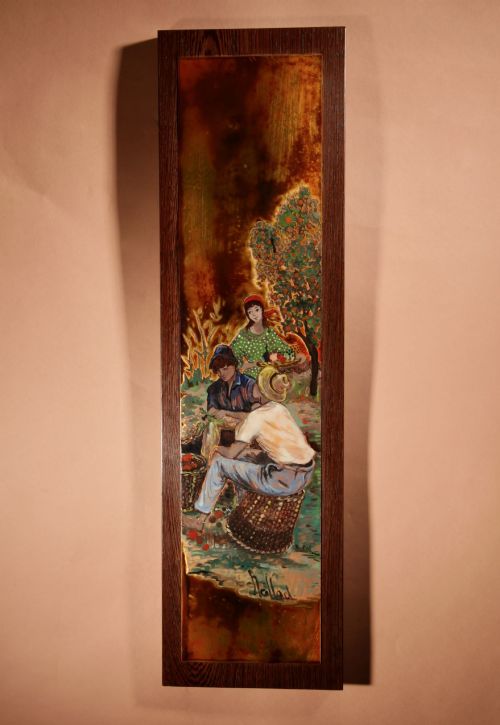


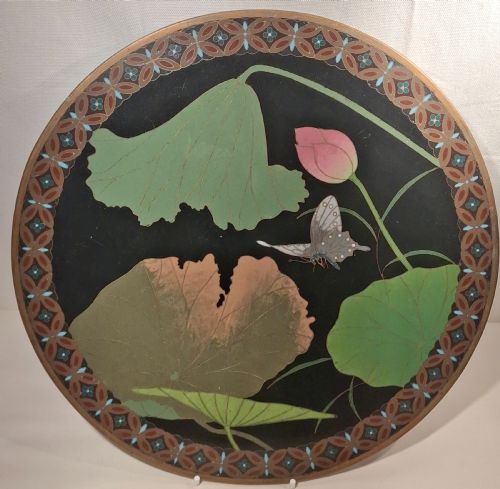


Enamelled Copper Plaque
An enamelled copper plaque is a vibrant fusion of metalwork and glass painting that brings lasting colour and intricate detail to any interior wall or cabinet.
Enamelled Copper Plaque
When you search for an enamelled copper plaque, you encounter a remarkable diversity of origins and traditions spanning the eighteenth and nineteenth centuries. European works often display classical painted scenes after old masters, whilst Asian examples showcase meticulous cloisonne techniques featuring dragons and koi.
The objects on this page range from small snuff box lids and oval wall plaques to large decorative chargers and framed panels. French Limoges and English South Staffordshire workshops represent the European output, sitting alongside Japanese Meiji period chargers and Syrian Damascus panels.
How they were made
Maker's apply powdered glass pastes to a beaten or cast copper base before firing the piece in a kiln to fuse the vitreous enamel permanently to the metal. This process requires precise temperature control to prevent cracking and to achieve smooth, glossy surfaces.
Many Asian pieces utilise fine brass or copper wire soldered to the metal plate to create cellular compartments, known as cloisons, which are subsequently filled with coloured enamel pastes. European painted enamels instead build up detailed pictorial scenes using successive layers of opaque and translucent colours over a white enamel ground.
Enamelled Copper Plaque Retail Price Guide 2026
Typical asking prices for enamelled copper plaque among the pieces listed under this phrase on Sellingantiques today, from the lower quarter to the upper quarter. They describe what is for sale here now, not the wider market.
The object forms range from small snuff box lids and oval wall plaques to large decorative chargers and architectural panels.
What varies in quality
The finesse of the brushwork or the precision of the wirework dictates the visual success of the piece. Master craftsmen achieve remarkable depth, subtle tonal gradations, and crisp outlines that lesser artisans miss.
The weight and gauge of the underlying copper plate also influence the substance and durability of the object. Heavier metal bases prevent warping during the intense kiln-firing process, resulting in a truer, more enduring surface.
The Enamelled Copper Plaque Glossary
- Limoges enamel
- A technique developed in the French city of Limoges where painted enamel is applied to a copper support. These works often depict historical or mythological narratives.
- Cloisonne
- A decorative metalwork method where thin metal wires form compartments to hold coloured glass pastes. The piece is fired and polished until the wires and enamel are flush.
- South Staffordshire
- An English regional centre known for eighteenth-century enamel production on small copper items such as snuff box lids and plaques. These pieces typically feature delicate transfer-printed or hand-painted designs.
- Charger
- A large decorative plate intended for display on a wall or dresser rather than for dining. They provide a broad canvas for complex pictorial or geometric enamel compositions.
- Meiji period
- A Japanese era lasting from eighteen sixty-eight to nineteen twelve characterised by extraordinary technical advancements in metalwork and enamel. Artisans during this time produced highly detailed dragon and nature motifs.
Enamelled Copper Plaque: Frequently Asked Questions
How do I hang a heavy plaque?
Most wall-hanging plaques feature integrated loops, brackets, or framed edges designed to secure stable mounting hooks. Ensure your wall fixings match the weight of the metal and wood components.
Avoid hanging enamelled items in direct sunlight or damp areas to protect the glass pigments and copper backing from environmental degradation.
Were these plaques meant for walls?
While many larger chargers and panels were created specifically for display on walls or cabinets, smaller examples served as functional box lids or cabinet miniatures. Their primary purpose shifted over the centuries from personal accessories to dedicated interior decorations.
European painted panels often hung in private studies, whereas Japanese chargers were displayed on stands or walls to showcase technical mastery.
How do I date an enamel plaque?
Examine the style of the imagery, the composition of the copper base, and any signature marks on the reverse or front. Eighteenth-century European works often display distinctive hand-beaten copper backs and classical subject matter.
Japanese Meiji pieces typically reveal meticulous wirework and vibrant colour palettes characteristic of late nineteenth-century workshop production.