




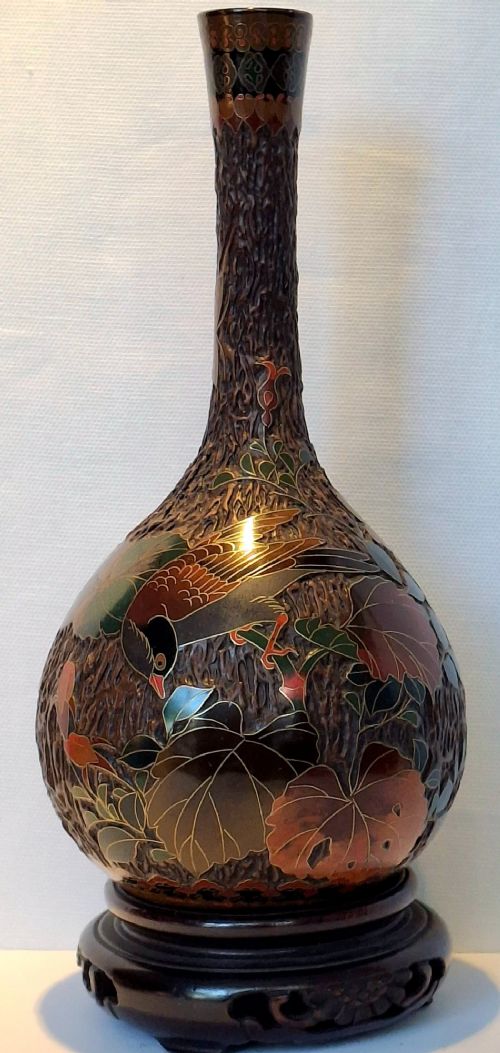
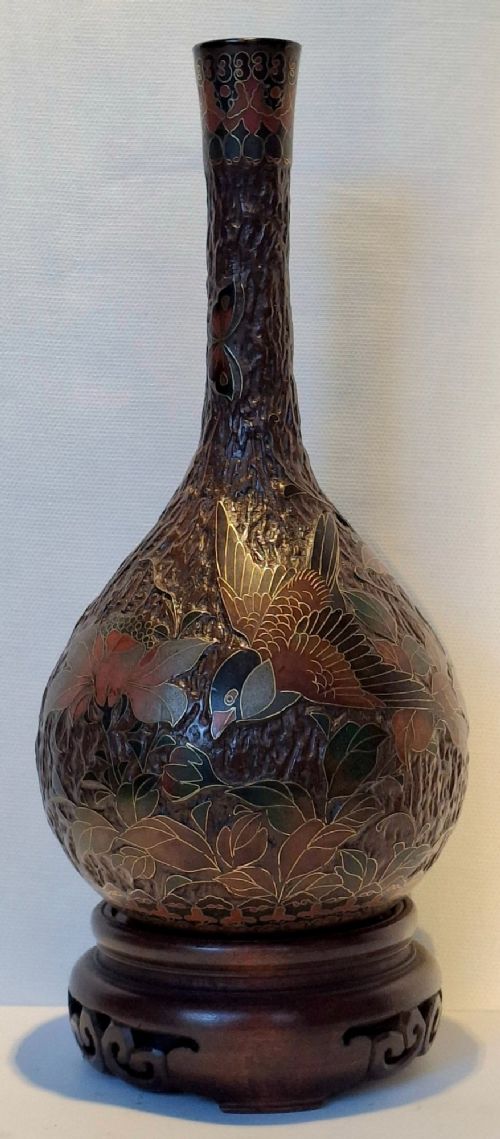
Enamelled Ceramic Bird
These enamelled ceramic bird figures and vessels combine vitreous decoration with avian subjects across centuries of Asian and European craftsmanship.
Enamelled Ceramic Bird
When you search for an enamelled ceramic bird, you encounter an array of decorative objects including porcelain dishes, earthenware jars, and pottery vases adorned with feathered subjects. These pieces bridge decorative utility and artistic sculpture, originating from diverse periods such as the eighteenth century and the early twentieth century.
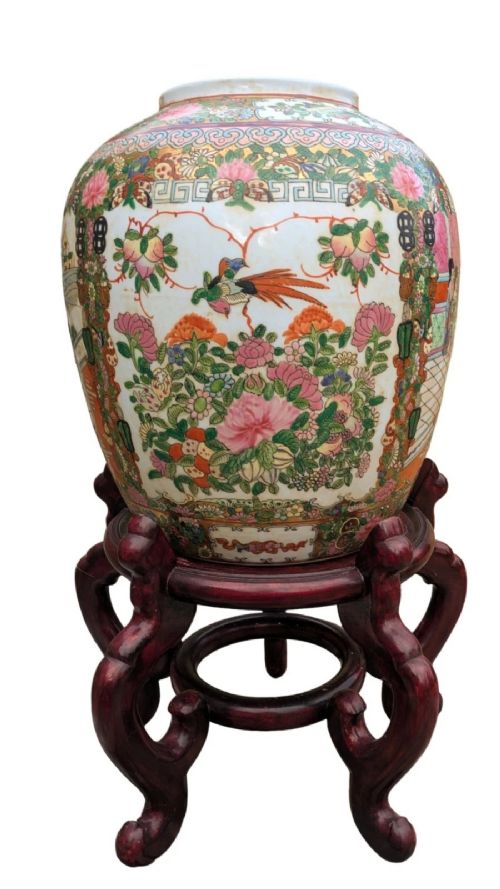
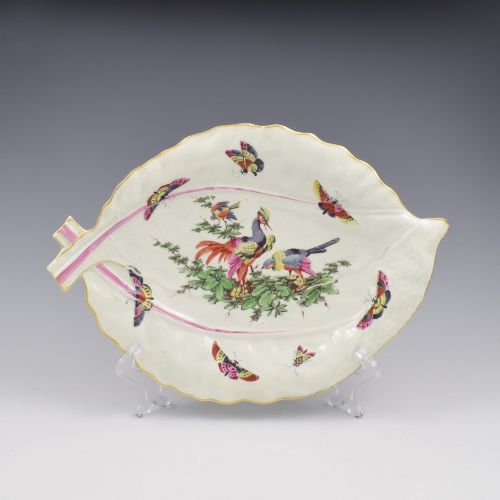
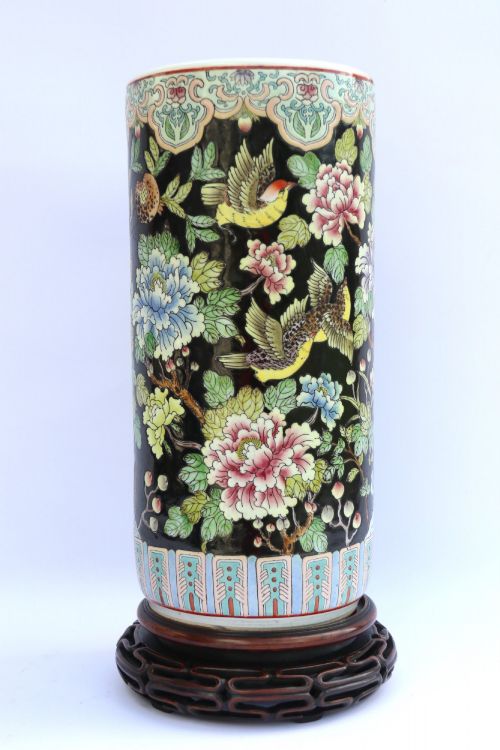
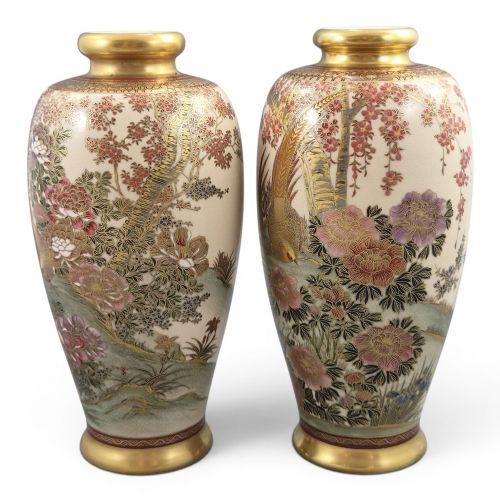
The most common examples on this page derive from Chinese kilns featuring famille rose or famille noire palettes, alongside Japanese Satsuma and European factories like Worcester, Derby, and Minton. Forms range from freestanding parrot vases and crane pairs to intricate plates and leaf dishes depicting detailed avian scenes.
How they were made
Potters shaped the base bodies using earthenware, soft-paste porcelain, or standard porcelain before applying ground mineral pigments and coloured enamels by hand. Many Japanese and Chinese works incorporated cloisonné techniques, laying down fine metal wires to create cells that held the vibrant enamel pastes.
Firing in kilns fused the glassy enamels to the ceramic body or metallic understructure, often supplemented with delicate gold leaf details. Certain pieces utilised specialised lustre glazes or copper and brass mounts to finish the decorative scheme.
Enamelled Ceramic Bird Retail Price Guide 2026
Typical asking prices for enamelled ceramic bird among the pieces listed under this phrase on Sellingantiques today, from the lower quarter to the upper quarter. They describe what is for sale here now, not the wider market.
Listings feature items from the Georgian, Victorian, and Edwardian periods, alongside Meiji and Showa Japanese eras.
What varies in quality
The distinction between standard production and exhibition quality rests upon the precision of the brushwork and the complexity of the enamelling technique. Superior examples display meticulously rendered plumage, controlled colour gradients, and harmonious integration of bird and floral motifs across the ceramic surface.
Provenance and maker attribution also elevate an item, with imperial marks or documented studio origins commanding greater attention. The crispness of the underlying ceramic form and the preservation of the delicate enamel surface dictate the overall standing of each piece.
Manpei, Kobe·Makuzu Kozan II·Minton
The Enamelled Ceramic Bird Glossary
- Famille Rose
- A prominent palette of Chinese ceramic enamels dominated by opaque pink or rose colours, introduced during the Qing dynasty. This palette allowed for nuanced shading and detailed depiction of birds and botanicals.
- Cloisonné
- A metalwork and enamelling technique where wires are soldered to a base to form compartments filled with enamel paste. Applied to ceramic or metallic cores, it creates vibrant, compartmentalised designs.
- Satsuma
- A type of Japanese pottery featuring a crackle-glaze earthenware body decorated with polychrome enamels and gilt. These pieces frequently portray elaborate nature scenes and avian subjects.
- Soft-Paste Porcelain
- A ceramic material composed of clay and glass frit, fired at lower temperatures than true hard-paste porcelain. It was utilised extensively by eighteenth-century European factories like Derby and Worcester.
- Totai Shippo
- A Japanese technique involving cloisonné enamel applied directly over a ceramic or porcelain body rather than a traditional metal base. This method unites ceramic moulding with wirework enamelling.
Enamelled Ceramic Bird: Frequently Asked Questions
What periods do these pieces span?
The selection covers items ranging from the mid-eighteenth century through the Victorian and Edwardian eras up to the early twentieth century. You will find Georgian European porcelain alongside Meiji and Showa period Japanese works and Qing dynasty Chinese ceramics.
Each era employed distinct regional palettes and firing techniques, allowing collectors to trace the evolution of avian depictions across different global traditions.
How do I identify Chinese famille rose?
Famille rose ceramics are characterised by their opaque pink enamel, which was developed in the eighteenth century and continued through later periods. The palette includes soft pinks alongside greens, yellows, and blues, often framing detailed birds and floral arrangements.
Examination of the base may reveal imperial reign marks or specific dynasty indicators that help date the porcelain accurately.
What is Satsuma ware?
Satsuma ware consists of earthenware pottery distinguished by a characteristic fine crackle glaze and ornate polychrome and gilt decoration. Originating in Japan, these pieces frequently depict dense scenes of nature, court life, and birds.
Exhibition quality examples often feature artist signatures or mon marks associated with specific historic workshops.
How should I care for enamelled ceramics?
These decorative objects require gentle handling due to the fragile nature of surface enamels, gold leaf, and delicate ceramic appendages. Dust them softly with a dry, lint-free cloth and avoid using chemical cleaning agents or abrasive materials.
Keep them away from direct sunlight and extreme temperature fluctuations to preserve the stability of the glaze and pigments.