







Enameled Silver Trinket
An enameled silver trinket brings together bright metal and fused glass to hold small valuables on a dressing table.
Enameled Silver Trinket
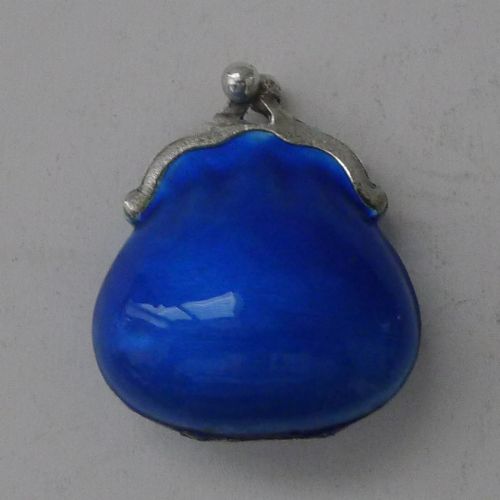
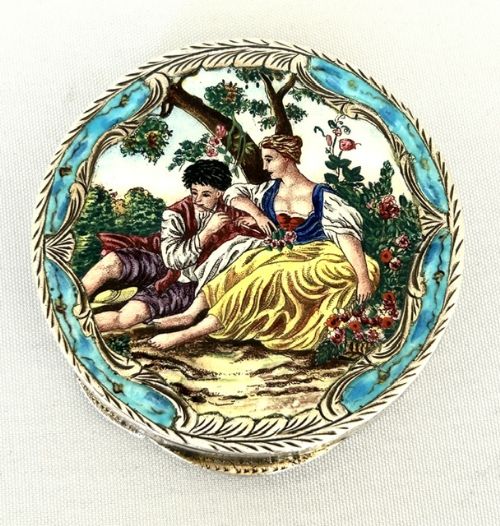
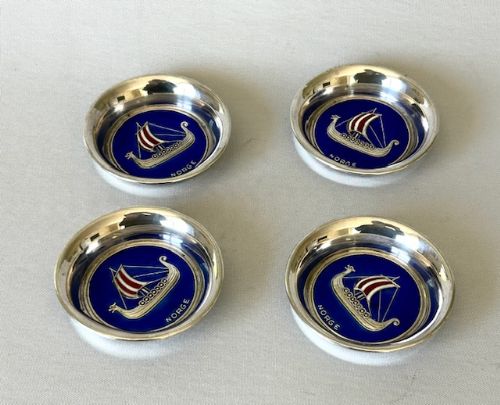
When you search for an enameled silver trinket, you encounter small personal containers fashioned from precious metal and decorated with vitreous glass coatings. These objects take the form of vanity jars, pill boxes, dressing table pots, and compacts intended for daily use or display. The items span various decades, reflecting changing tastes from early twentieth-century dressing tables to mid-century designs.
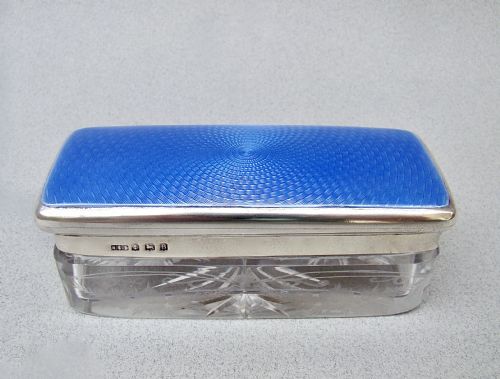
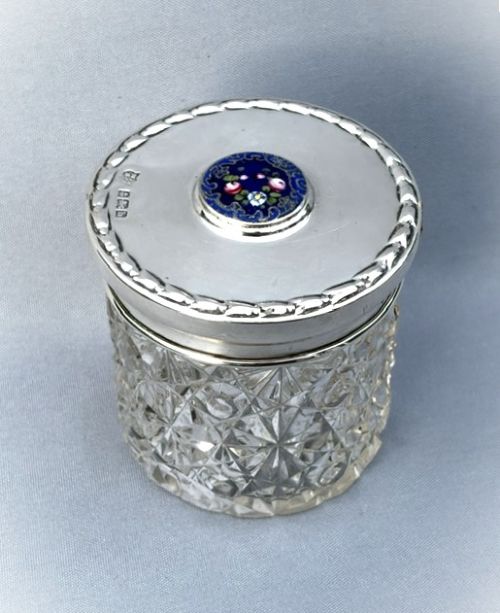
The versions most frequently met on this page originate from the Edwardian period and the 1920s or 1930s Art Deco era. Makers during these times utilised sterling silver alongside machine-turned patterns beneath translucent enamel colours. Alongside lidded boxes, the selection includes cut glass jars topped with decorated silver lids and small dishes meant for pins.
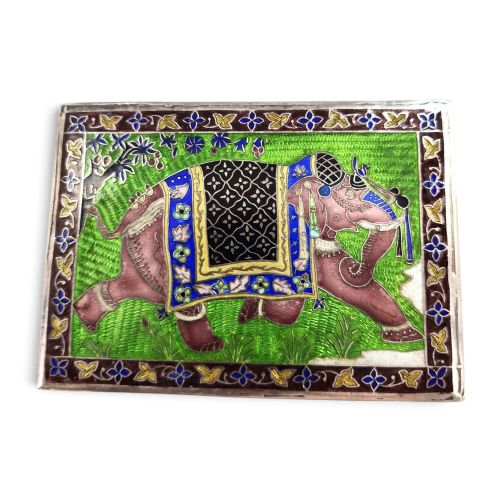
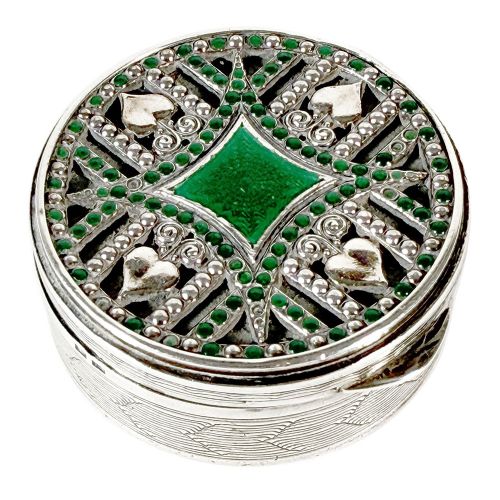
Geographic origins vary widely across the items, ranging from English provincial assay offices to continental European workshops and Russian imperial makers. Some pieces display distinct regional aesthetics such as Arts and Crafts hand-beaten work or Oriental export motifs. Despite this diversity in style and origin, each item shares the fundamental combination of silver structure and fused glass ornamentation.
How they were made
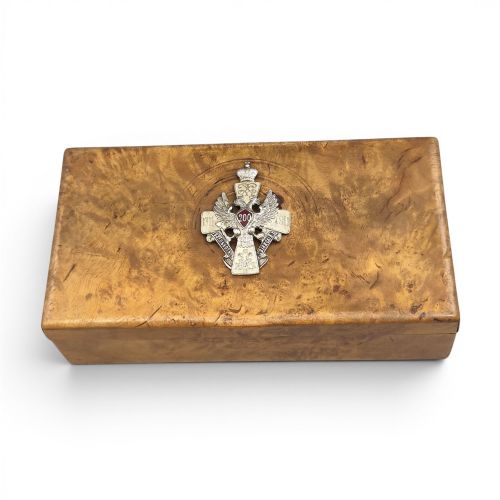
Craftsmen built the bodies of these pieces from sterling silver, silver-gilt, or base metals, often combining them with vessels of cut glass, cranberry glass, or Karelian birch. The silver components were cast, stamped, or beaten into shape before receiving their surface treatments. Hinges, bezels, and lids required precise metalworking to ensure a correct fit against the glass or wooden bodies.
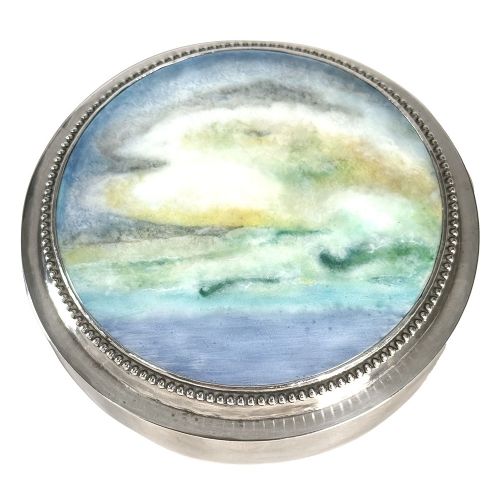
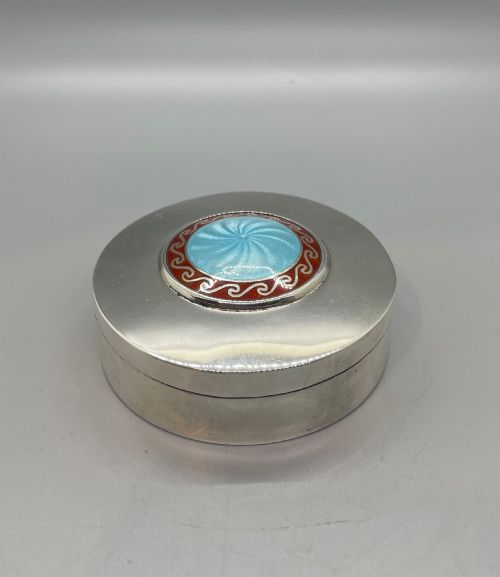
The glass decoration relied on vitreous enamel applied as a powder and fired in a kiln to fuse with the metal base. Many items feature guilloche enamel, where an engine-turned geometric pattern cut into the silver shows through translucent layers of coloured glass. Other pieces utilise cloisonné or painted enamel plaques inserted into the metal lids or body panels.
Enameled Silver Trinket Retail Price Guide 2026
Typical asking prices for enameled silver trinket among the pieces listed under this phrase on Sellingantiques today, from the lower quarter to the upper quarter. They describe what is for sale here now, not the wider market.
Listings feature items from the 19th Century, Edwardian era, and mid-century modern periods, utilising sterling silver, glass, and wood.
What varies in quality
The standard of an enameled silver trinket depends heavily on the crispness of the underlying metalwork and the clarity of the fused glass. Superior examples display even thickness across the enamel layer without cloudiness or irregular bubbling in the vitreous paste. Engine-turned guilloche patterns beneath the glass should maintain sharp, precise geometry that catches the light uniformly.
Proportion and weight also dictate the grade of the piece, with finer items offering a substantial feel in the hand and secure, well-aligned hinges. The quality of the enamel painting or the integration of applied plaques separates standard commercial production from high-grade workshop output. Maker marks and clear hallmarks add historical definition that influences the standing of the object.
Guild of Handicrafts·Henry Clifford Davis·George Adam Scheid·Khlebnikov
The Enameled Silver Trinket Glossary
- Guilloche enamel
- A decorative technique where a mechanical lathe etches a precise repeating pattern into silver before translucent enamel is applied over the top. This lets the underlying pattern show through the coloured glass layer.
- Vitreous enamel
- A material made by fusing powdered glass to a metallic substrate by firing at high temperature. The resulting compound creates a durable, glossy coloured surface.
- Sterling silver
- An alloy of silver containing ninety-two point five percent silver and seven point five percent other metals, usually copper. This standard composition provides structural strength for small boxes and jars.
- Cloisonné
- An ancient technique where metal wire is soldered to a metal base to form compartments, which are then filled with enamel paste and fired. The resulting design creates distinct raised outlines between the different colours.
- Dressing table jar
- A small glass or metal container fitted with a decorative silver and enamel lid, historically kept on a bedroom vanity for cosmetics or hairpins.
Enameled Silver Trinket: Frequently Asked Questions
What were enameled silver trinket boxes used for?
These small containers held personal items such as pins, powder, pills, or stamps on a lady's dressing table. Their portable size also suited waistcoat pockets or evening bags for carrying small valuables.
Over time, owners repurposed them for storing modern keepsakes, cufflinks, or small mementos while maintaining their display role in a room.
How do I date an enameled silver box?
Dating relies heavily on hallmarks stamped into the silver, which record the assay office, standard mark, and date letter for British pieces. Stylistic indicators like Art Deco geometry or Edwardian floral motifs also point to specific decades.
Maker marks provide further clues when matched against historical records of silversmiths and manufacturing firms active during the late nineteenth and twentieth centuries.
How should I clean enameled silver items?
Cleaning requires gentle care to protect the glass coating from scratching and to preserve any delicate gilt finishes on the metal. A soft, dry cloth removes dust, while specialised silver polish should be kept away from the enamel surface.
Submerging antique boxes in liquid cleaner can damage internal linings or seep under the enamel through hairline fractures, so surface wiping is the safest method.
Are all these boxes made of solid silver?
While many pieces feature sterling silver lids and bodies, others combine silver tops with bases made from cut glass, wood, pewter, or base metals. Hallmarks on the metal parts confirm the specific silver standard used by the maker.
Pieces described as silver-gilt have a thin layer of gold applied over the silver base, adding a warm tone frequently seen in Russian and continental examples.