




Enameled Porcelain Bowl
An enameled porcelain bowl brings vivid colour and intricate hand-painted detail to a room, drawing the eye through centuries of Asian and European ceramic traditions.
Enameled Porcelain Bowl
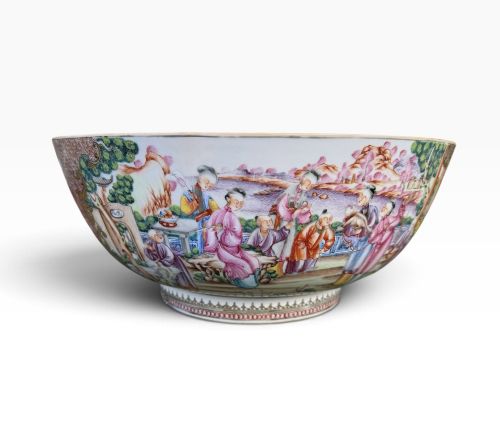
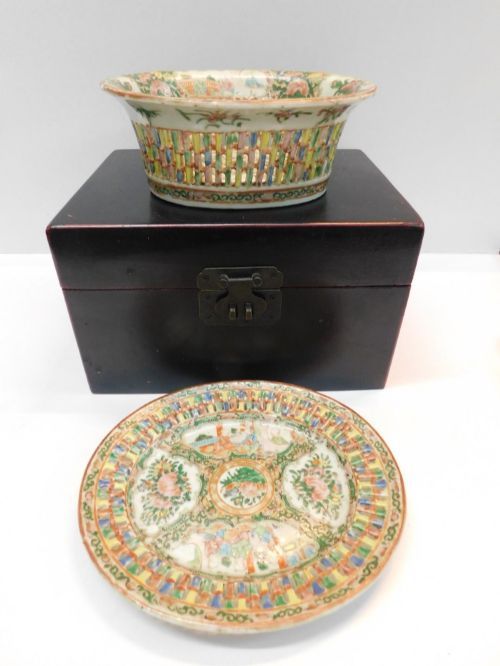
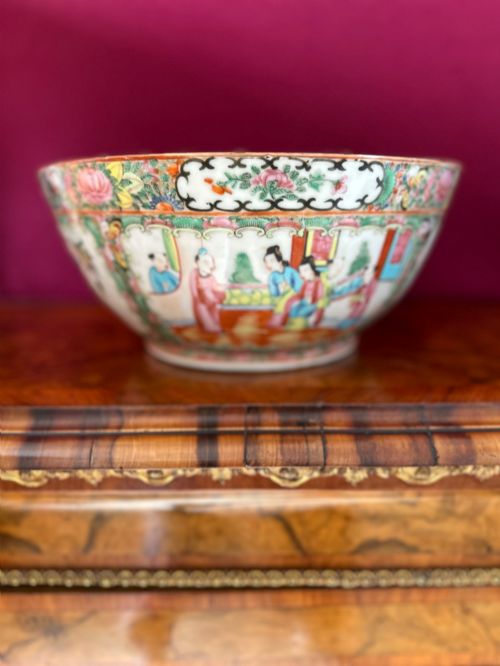
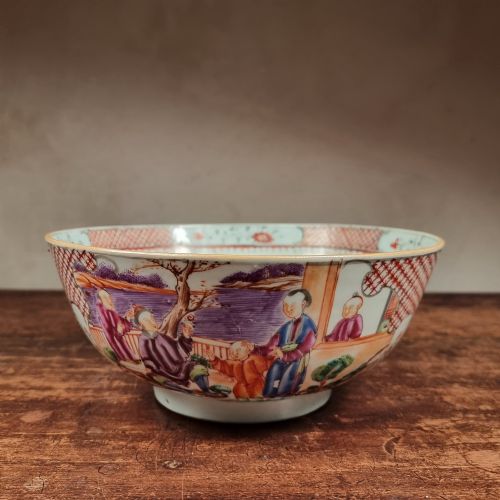
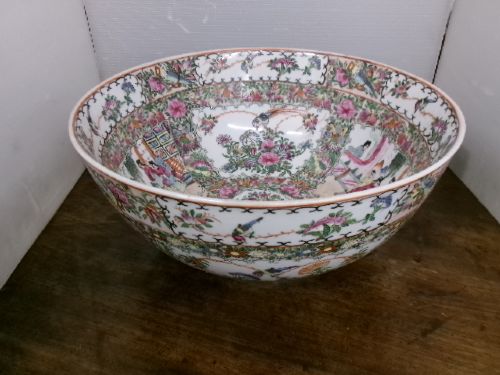
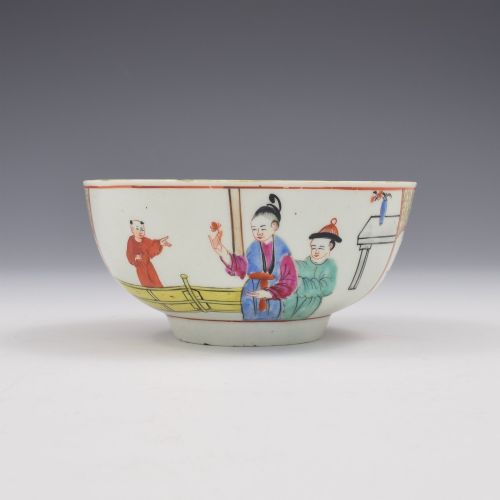
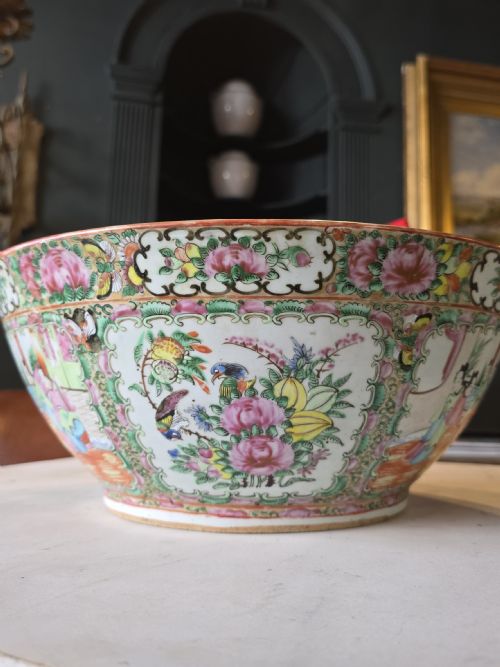
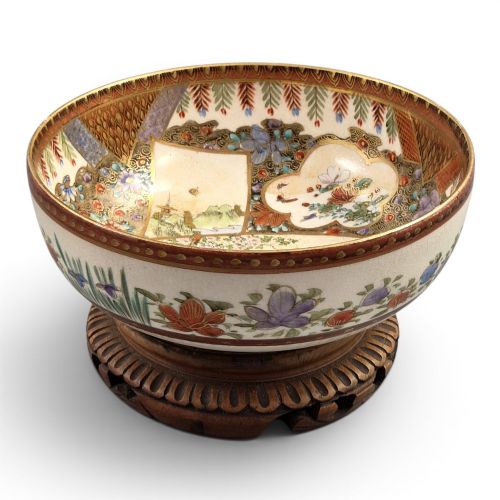
When searching for an enameled porcelain bowl, you encounter a range of forms from eighteenth-century punch bowls to nineteenth-century Canton vessels and Japanese Satsuma ware. The nineteenth-century examples dominate the selection, often carrying the vibrant palettes of the Qing Dynasty or the Meiji period.
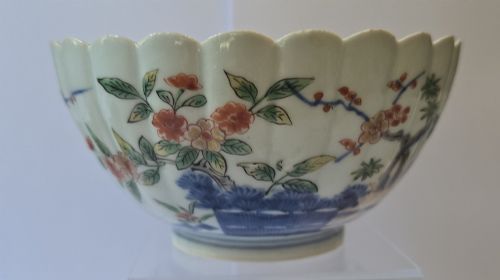
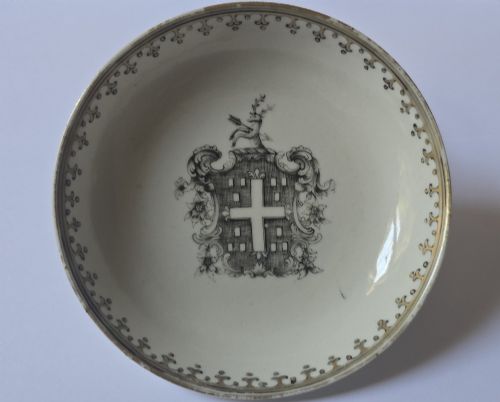
Vessels span from large decorative dishes and pedestal pieces down to delicate tea bowls and saucers. Many pieces originate from Chinese export workshops or Japanese kilns, though eighteenth-century European porcelain factories like Worcester also appear.
The decorative schemes vary from dense floral arrangements and auspicious motifs to intricate figures and dragon designs. Buyers find both deep punch bowls intended for hospitality and shallow dishes meant for display.
Materials and construction
Potters shaped fine clay into porcelain bodies before applying an initial glaze and firing the piece at high temperatures. Overglaze enamels were then painted onto the hardened surface, often supplemented with gold leaf, gilt, or gilding to highlight specific patterns.
Some French pieces incorporate champlevé enamel set into gilt bronze mounts, combining ceramic bodies with heavy metalwork. Japanese works utilise distinct regional techniques such as Kutani and Arita wares, applying pigments by hand prior to a secondary firing.
Enameled Porcelain Bowl Retail Price Guide 2026
Typical asking prices for enameled porcelain bowl among the pieces listed under this phrase on Sellingantiques today, from the lower quarter to the upper quarter. They describe what is for sale here now, not the wider market.
Listings span from the late seventeenth century through to the mid-twentieth century, uniting Chinese export porcelain, Japanese Satsuma ware, and European factories.
Judging quality and execution
Quality rests upon the precision of the hand-painted brushwork and the clarity of the enamel colours against the white porcelain ground. Superior examples display disciplined control in intricate motifs like the hundred shou characters or delicate butterfly scenes.
The application of gilding and gold leaf distinguishes finer pieces, where burnished metallic accents remain crisp and well-adhered. Greater artistic depth in figures and symmetrical balance across complex borders elevate certain works above standard production items.
Kozan
The Enameled Porcelain Bowl Glossary
- Famille rose
- A major palette of Chinese ceramic glazes introduced in the eighteenth century, distinguished by opaque pink or rose enamel. This palette allows for subtle shading and detailed pictorial scenes.
- Imari
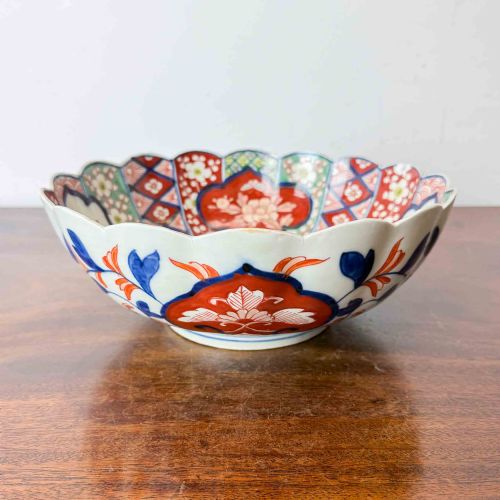
- A style of Japanese export porcelain characterised by underglaze blue, iron red, and gilt ornamentation. These pieces typically feature dense geometric and floral panels.
- Overglaze enamel
- Pigments applied over the fired and glazed porcelain surface before undergoing a lower-temperature kiln firing. This technique permits a wide spectrum of bright colours.
- Satsuma ware
- Japanese earthenware with a fine ivory crackle glaze, traditionally decorated with elaborate polychrome enamels and raised gold. It gained prominence during the Meiji period.
- Punch bowl
- A large vessel historically utilised for mixing and serving communal drinks during social gatherings. They often feature wide rims and expansive interior painted scenes.
Enameled Porcelain Bowl: Frequently Asked Questions
How were antique enameled bowls used?
Many large bowls served functional roles as punch bowls or table centrepieces during formal dining occasions. Smaller tea bowls and saucers were reserved for the consumption of tea in domestic settings.
Other items functioned purely as decorative dishes or jardinières, intended to display wealth and artistic appreciation within a room.
How do I distinguish Chinese and Japanese styles?
Chinese pieces often feature soft famille rose pinks, intricate Canton figures, and imperial reign marks. The decoration frequently focuses on auspicious symbols and narrative scenes.
Japanese Arita and Imari wares rely on deeper blues and iron reds, while Satsuma pieces display distinctive ivory crackle glazes with dense gilt patterns.
What period do most pieces date from?
The majority of listings date from the nineteenth century, encompassing late Qing Dynasty production and the Japanese Meiji period. These items reflect a peak in export trade and decorative refinement.
Earlier examples from the eighteenth century appear less frequently, representing reigns such as Qianlong or the first period of European porcelain manufacture.