





Enamel Glass Scent Bottle
An enamel glass scent bottle combines colourful painted or guilloche surfaces with glass bodies, offering a tactile piece of dressing table history.
Enamel Glass Scent Bottle
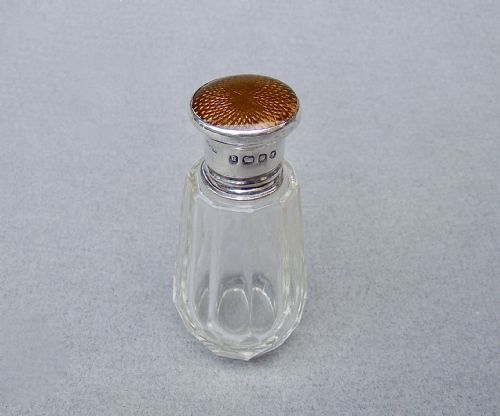
An enamel glass scent bottle is a small personal vessel designed to hold perfume, combining decorative glass bodies with metal and enamel mounts. These objects emerge across multiple eras, ranging from eighteenth-century Swiss flasks to nineteenth-century French chatelaine pieces and mid-century British examples.
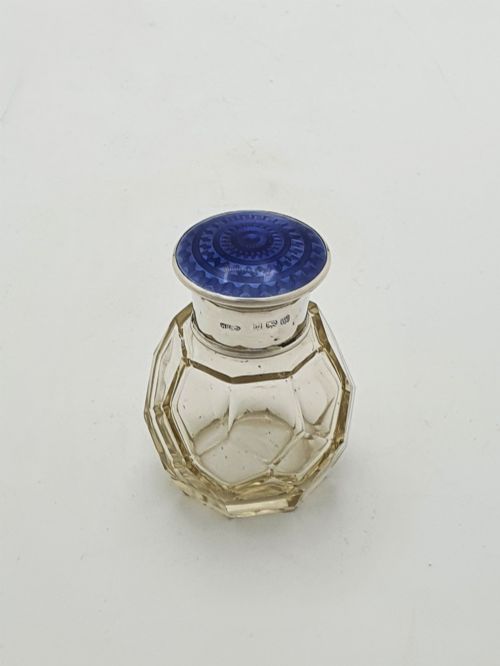
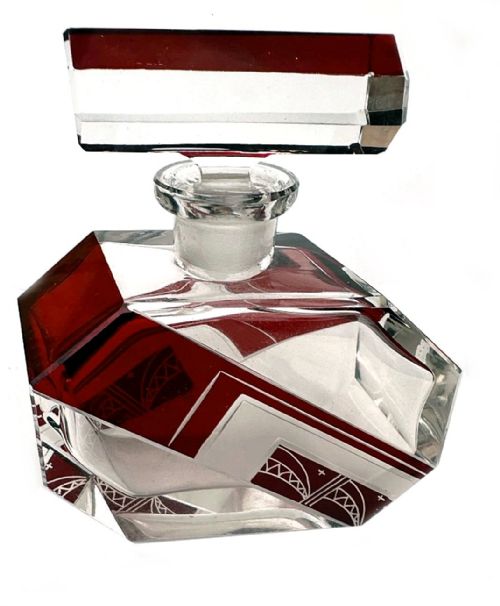
The version most commonly met on this page belongs to the Art Deco period, frequently taking the form of geometric cut glass mounted with sterling silver and brightly coloured guilloche enamel. These twentieth-century pieces reflect the shifts in design from Victorian ornamentation towards clean modernist lines.
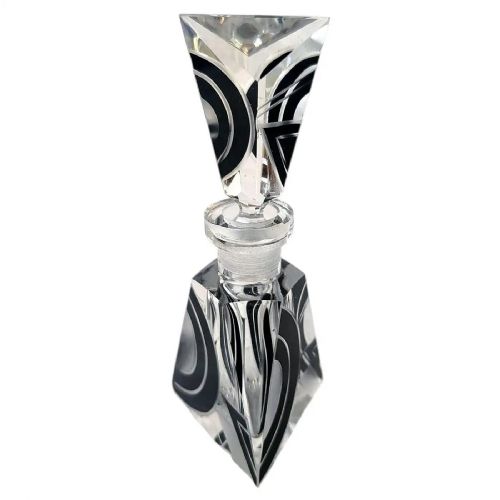
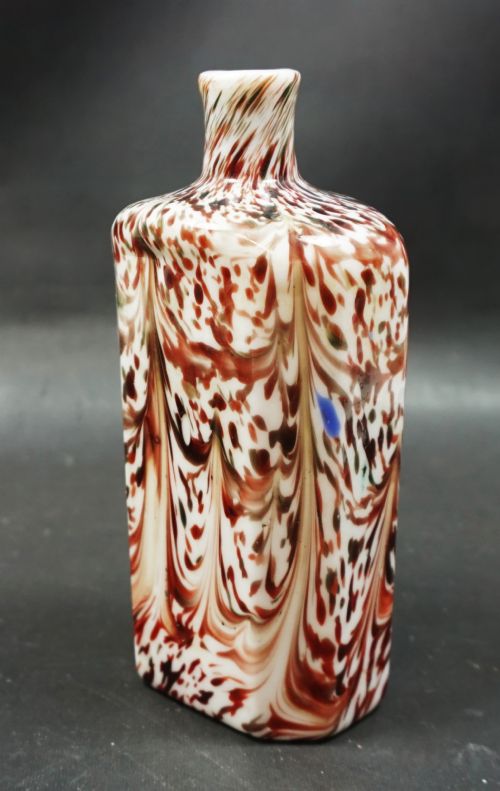
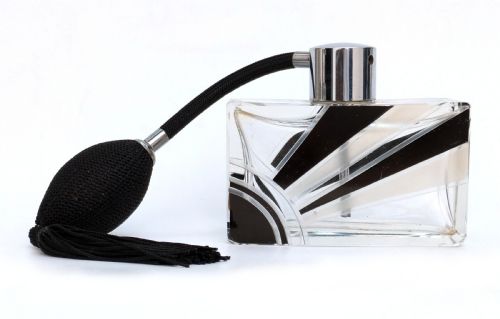
Alongside standard perfume bottles, the selections include atomizers, decorative flasks, and milk glass or satin glass variants. Buyers encounter works from various European centres, including notable Czech designs and English silversmith productions.
Materials and construction
Makers combined blown or cut glass bodies with applied metal mounts in sterling silver, chrome, or ormolu. Glass techniques range from simple milk glass and satin glass to heavy geometric cutting and coloured crystal.
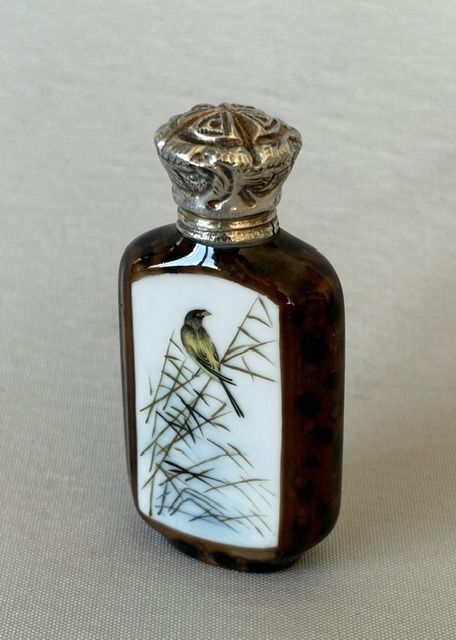
Enamel work appears either as hand-painted surface decoration or as intricate guilloche patterns beneath transparent coloured layers, often secured by fitted silver collars and stoppers.
Enamel Glass Scent Bottle Retail Price Guide 2026
Typical asking prices for enamel glass scent bottle among the pieces listed under this phrase on Sellingantiques today, from the lower quarter to the upper quarter. They describe what is for sale here now, not the wider market.
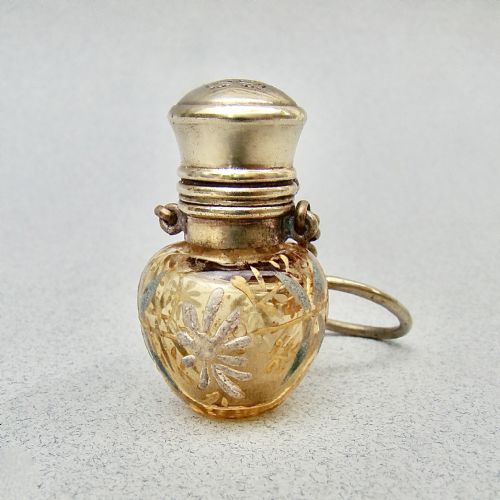
Some nineteenth-century examples dangled directly from waist-hooks so the wearer could smell lavender on the move.
Distinctions in craftsmanship
Quality separates pieces through the precision of the glass cutting and the complexity of the metalwork mounts. Crisp geometric facets and heavy crystal indicate superior production.
The execution of the enamel surface dictates the tier of the piece, with even guilloche patterns and finely brushed painted scenes marking out skilled workshop output.
Karl Palda·Henry Perkins·René Lalique·Mappin And Webb
The Enamel Glass Scent Bottle Glossary
- Guilloche
- A decorative mechanical technique whereby precise, intricate patterns are engraved into a metal surface beneath translucent enamel. This method creates a shimmering depth of colour.
- Chatelaine
- A decorative belt hook worn with suspended utilitarian items, including small scent bottles designed for portable use. These pieces often feature secure chains and hinged caps.
- Atomizer
- A perfume bottle fitted with a spray mechanism and bulb, enabling the liquid to disperse in a fine mist. These devices gained popularity during the twentieth century.
- Satin glass
- Glass treated to produce a dull, velvety surface texture resembling satin. The effect results from acid-etching or vapour treatment during manufacturing.
Enamel Glass Scent Bottle: Frequently Asked Questions
How do I identify Art Deco scent bottles?
Art Deco scent bottles appear with geometric cut glass profiles, sunray motifs, and clean architectural lines. They frequently incorporate brightly coloured glass paired with sterling silver and guilloche enamel tops.
These pieces typically date from the nineteen-twenties and nineteen-thirties, reflecting the modern aesthetic movements of the era.
Were these bottles used for perfume?
These vessels were primarily filled with liquid perfumes, essential oils, or smelling salts for personal freshening. Many variants included stoppers, daubers, or atomizer mechanisms to control the application.
They functioned as both practical dressing table accessories and decorative items in domestic interiors.
How are different periods told apart?
Periods reveal themselves through distinct stylistic traits, materials, and manufacturing techniques. Victorian pieces often display ornate metalwork and painted scenes, while Art Deco examples favour geometric cutting and bold enamel colours.
Assay marks and maker signatures stamped on the silver mounts provide definitive dates of production.