



Enamel Copper Art
These pieces of enamel copper art span centuries of craftsmanship, offering vibrant colour and lasting metallic form for the home.
Enamel Copper Art
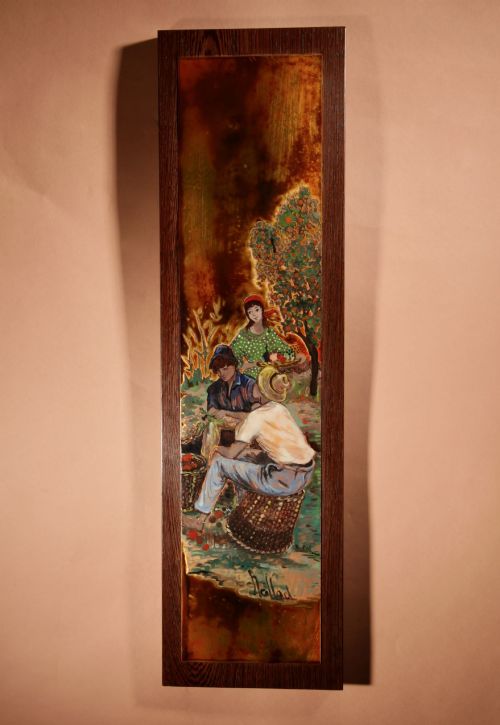
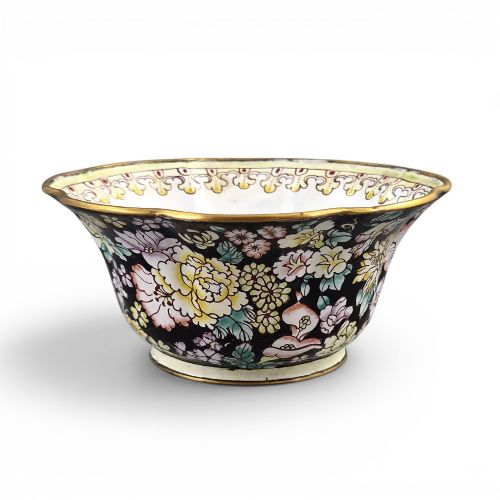
Enamel copper art brings together vitreous glass powders and metal substrates to create decorative objects, wall plaques, and vessels. When you search for this phrase, you encounter items ranging from Georgian English plaques to Japanese Meiji period chargers and Chinese Canton bowls.
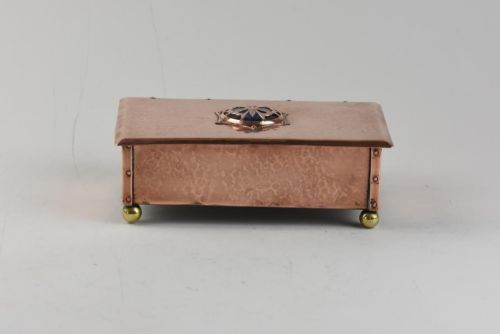
The objects take many forms, including lidded boxes, netsuke, pedestal bowls, and framed panels. Most pieces you meet on this page date from the eighteenth, nineteenth, and early twentieth centuries, reflecting diverse global manufacturing traditions.
Materials and construction methods
The primary base metal is copper or copper alloy, sometimes supported by brass, wood, or gilt metal mounts. Artisans applied powdered glass pastes directly to the metal surface before firing the pieces in kilns to fuse the enamel.
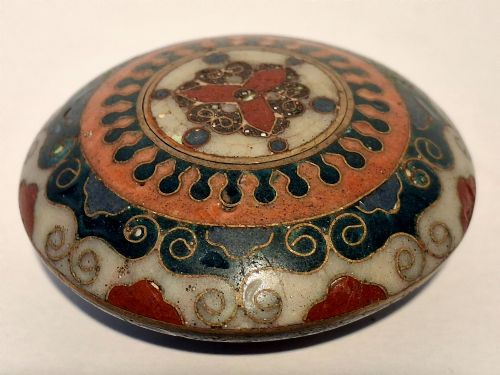
Certain items utilise cloisonné techniques, where thin wire partitions hold the coloured enamels in place, whilst others feature painted enamel scenes, gold leaf accents, or central cabochons mounted with metal overlays.
Enamel Copper Art Retail Price Guide 2026
Typical asking prices for enamel copper art among the pieces listed under this phrase on Sellingantiques today, from the lower quarter to the upper quarter. They describe what is for sale here now, not the wider market.
Periods represented on this page range from the eighteenth century through the Arts and Crafts movement to the Art Deco era.
Factors determining quality
Quality rests upon the precision of the enamel work and the complexity of the design. Pieces with finely detailed painted figures, intricate cloisonné wiring, or well-preserved surface polishes sit at the higher end of the range.
The depth of the colour, the stability of the metal substrate, and the skill required to fire large plates or curved bowls without cracking or bubbling dictate the overall standard of each piece.
Tamura Yukio·Samson
The Enamel Copper Art Glossary
- Cabochon
- A polished, convex gem or enamel stone without facets. It often sits centrally on metal boxes or bowls as a focal point.
- Cloisonne
- A decorative metalwork technique employing wire soldered to a metal body to create compartments for enamel paste. These compartments are subsequently fired and polished smooth.
- Limoges Enamel
- Painted enamel panels originating from France. They frequently depict figurative scenes and classical subjects on copper plates.
- South Staffordshire Enamel
- English enamel pieces produced during the eighteenth century. They typically take the form of small plaques or boxes.
Enamel Copper Art: Frequently Asked Questions
How do I clean enamel copper art?
Dust the surface gently with a soft, dry cloth to prevent scratching the glass or metal.
Avoid using liquid cleaners, chemical polishes, or abrasive cloths that can damage the fired enamel and expose the underlying copper.
Are these pieces suitable for wall display?
Many items, including painted plaques and decorative chargers, were designed specifically for hanging or mounting.
Ensure you use appropriate fixings that support the weight of the metal and do not stress the edges of the piece.
How can I tell Japanese work apart from Chinese pieces?
Japanese examples from the Meiji period often feature distinctive wirework patterns, naturalistic subjects like birds and peonies, and specific decorative borders.
Chinese Canton items frequently utilise painted enamel-on-copper techniques with specific palette choices, such as Famille Rose enamels.
What is the difference between cloisonné and painted enamel?
Cloisonné relies on metal wires soldered to the copper base to outline the design cells before filling them with coloured glass paste.
Painted enamel involves applying the vitreous colours directly onto a flat or curved copper plate with a brush, much like a canvas painting.