




Emerald Stone Ring
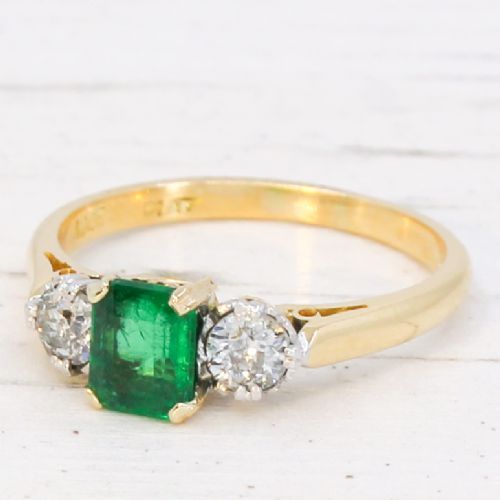
An emerald stone ring brings together rich green beryl and bright diamonds in mountings spanning Edwardian, Art Deco, and mid-century periods.
Emerald Stone Ring
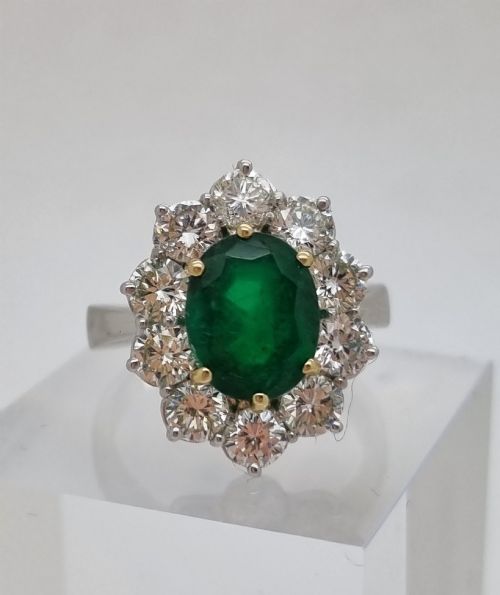
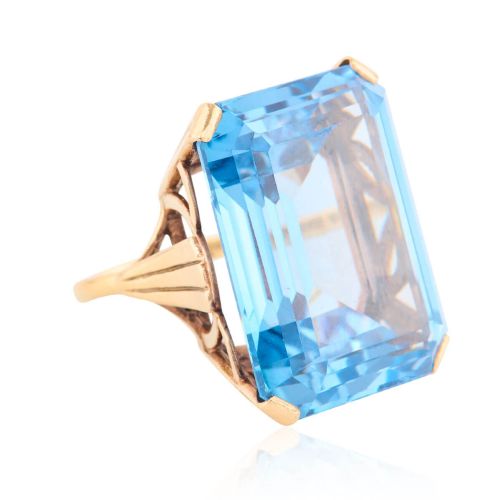
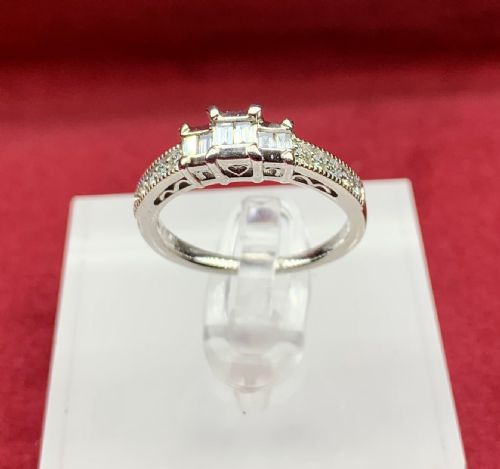
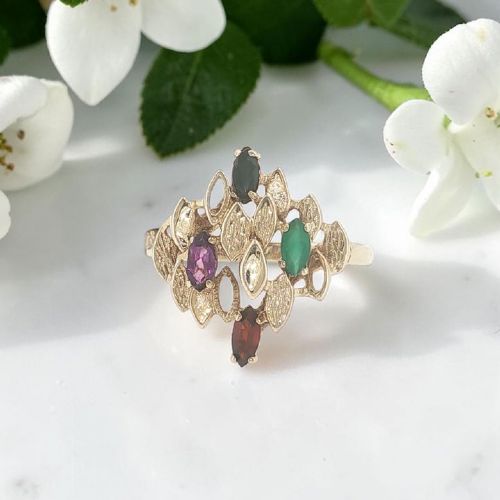
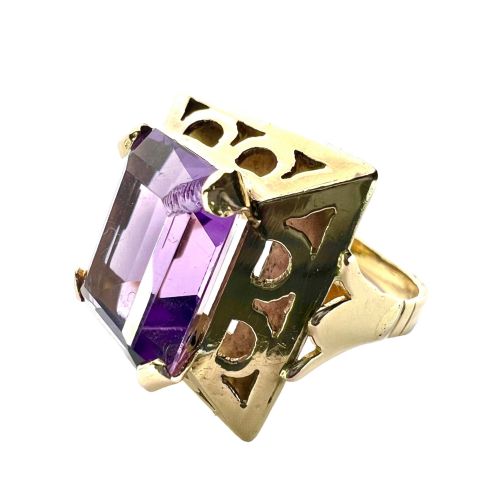
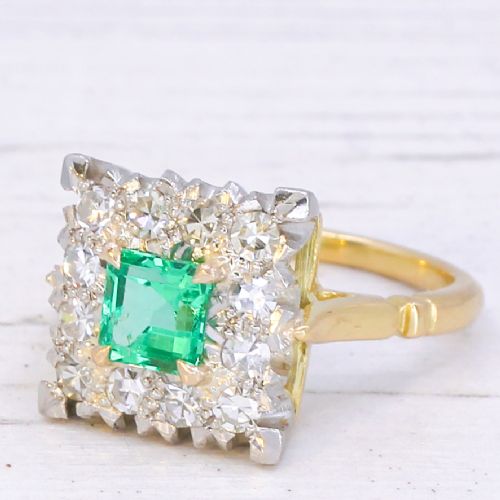
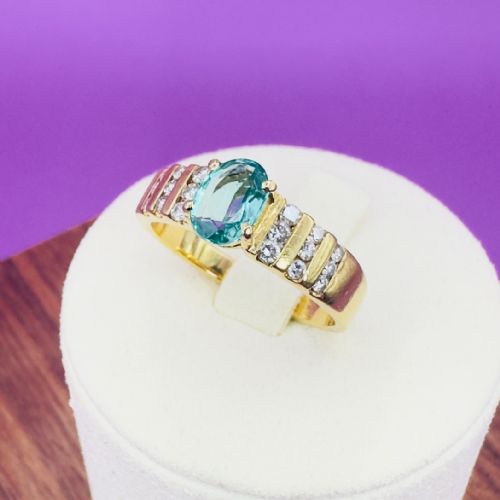
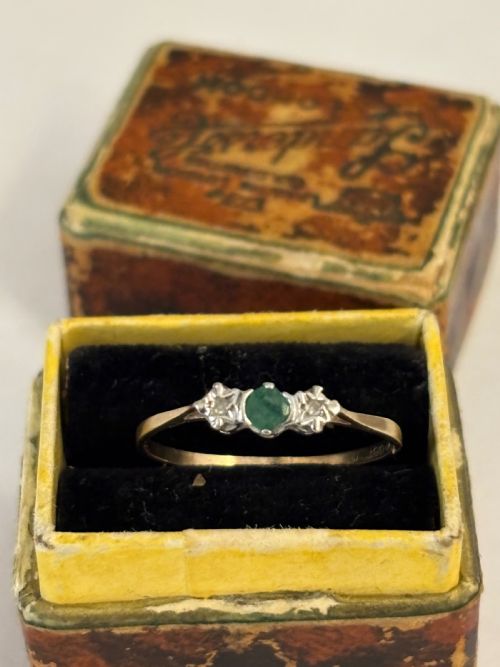
An emerald stone ring is primarily represented here by cluster, three-stone, and solitaire configurations set in platinum and various carats of gold. The selections span the Edwardian era, the Art Deco period, and into the mid-century and later decades.
Buyers encounter classic Edwardian yellow gold and platinum combinations alongside bold geometric Art Deco designs and flowing mid-century modern shapes. These pieces demonstrate changing tastes in gemstone arrangement over the course of the twentieth century.
Materials and Construction
Goldsmiths utilise platinum, 18ct yellow and white gold, and 9ct or 14ct gold as the foundational metals for securing emeralds alongside diamond accents. These durable alloys support intricate cluster frames, solid band structures, and delicate claw settings.
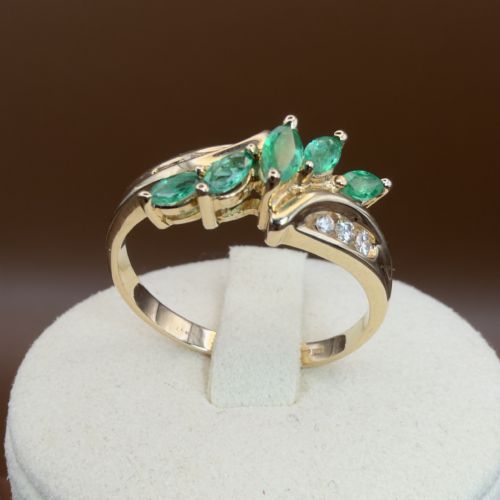
Gemstones are shaped into oval, marquis, emerald, and old cuts to maximise brilliance and colour within the metalwork. Master jewellers balance the softer nature of emeralds with robust precious metal settings to ensure longevity.
Emerald Stone Ring Retail Price Guide 2026
Typical asking prices for emerald stone ring among the pieces listed under this phrase on Sellingantiques today, from the lower quarter to the upper quarter. They describe what is for sale here now, not the wider market.
Listings feature emerald rings from the Edwardian era through the 1960s, employing platinum, 18ct yellow gold, and 9ct gold alongside diamond accents.
Distinctions in Quality
The standard of an emerald stone ring rests largely on the natural origin, clarity, and treatment level of the central beryl, alongside the matching quality of accompanying diamonds. Colombian stones with negligible oil treatments sit alongside distinct older cuts and various coloured gems.
Craftsmanship shows in the precision of the platinum or gold setting work, the crispness of geometric cluster arrangements, and the preservation of original metal patination over decades of wear.
The Emerald Stone Ring Glossary
- Cluster ring
- A jewellery design featuring a central gemstone surrounded by a border of smaller stones, typically diamonds. This layout maximises visual impact and light reflection.
- Trilogy ring
- A mounting holding three principal stones, often interpreted as representing the past, present, and future. These frequently combine an emerald centre with diamond side stones.
- Platinum
- A dense, strong, and ductile white precious metal favoured during the Edwardian and Art Deco periods for secure fine-prong settings. It maintains its colour without plating.
- Old cut
- A diamond facet style pre-dating modern brilliant cuts, characterised by a smaller table, higher crown, and open culet. These stones exhibit a softer candlelit sparkle.
Emerald Stone Ring: Frequently Asked Questions
How do I care for my emerald ring?
Emeralds are softer than diamonds and require gentle cleaning with warm soapy water rather than ultrasonic machines. Avoid exposing the ring to harsh chemicals or sudden temperature changes.
Store the piece separately in a fabric-lined box to prevent scratching from harder gemstones. Regular checks by a jeweller ensure the claw settings remain secure.
What is the difference between Edwardian and Art Deco emerald rings?
Edwardian rings typically feature delicate platinum-topped yellow gold work, lacy filigree, and soft floral motifs. They emphasise romantic grace and intricate metal piercing.
Art Deco designs introduce bold geometric lines, symmetrical cluster patterns, and striking contrasts between white platinum and vibrant green beryl. These pieces reflect the architectural modernisation of the 1920s and 1930s.
Are emerald treatments common in antique rings?
Many natural emeralds undergo traditional oiling treatments to enhance surface clarity and fill microscopic fissures. Gemmological reports often specify the minor or negligible presence of such oils.
Untreated stones or those with minimal enhancement command particular attention from collectors. Certification helps document the specific geographic origin and treatment history of the gem.
Can I wear an antique emerald ring every day?
Daily wear is possible with proper mindfulness regarding the physical properties of emeralds and older mountings. Protective settings like bezels or robust clusters offer extra security for active hands.
Removing the ring during heavy manual tasks, gardening, or swimming preserves the integrity of the gold or platinum band. Regular professional inspections keep vintage prongs tight.